
An ode to The Other One and his love of fat tires.
Brendan Shafer is a veteran of the bike industry, host of the Cycle Squawk radio show, and occasionally runs into Escape’s editor at the local bike shop, where we ask him repeatedly to write something for Escape. He has excitedly obliged and is back with another dose of cycling culture prose.
Brian Gilson (Illustrator)
August in Telluride, Colorado, is a magical time of year. Actually, Telluride, Colorado, is known for being magical during most times of the year – but the waning of summer and the subtle syncopation of the impending fall make August’s beauty a particularly fleeting form of seasonal savory. The mild summer temperatures envelop Colorado’s high country during each day, while burnished post-solstice sunsets light up the peaks with alpenglow during the short evening window before moonrise. August 1987 was no exception. The weather would’ve been crisp and clear with bright blue skies and high daytime temperatures near 71°F (21°C).
The late eighties would’ve also been a particularly ephemeral moment in Telluride’s modern history, as the town began to collectively forget its rough-and-tumble hard-rock mining roots and embrace resort culture. But in 1987, many of the locals were still old timers, creatives, ski bums, and general eccentrics of all kinds. The colorful local culture and incredibly whimsical setting undoubtedly set the stage for The Grateful Dead’s arrival in August 1987.
Russell moved slowly through the landscape, making gradual progress along the San Miguel River, and he neared the end of the box canyon framing Telluride on three sides: the south, east, and north. The eastern edge of the canyon terminates in a dramatic, jagged rock wall, with a single road switchbacking into the peaks above. Black Bear Pass, with its summit at 12,800 ft (3,900 m) above sea level, can be seen from any point in Telluride, and while it’s one of the only roads out of the canyon, it’s incredibly rugged, steep, and dangerous. It’s passable by only the most experienced off-road drivers in high-clearance 4×4 vehicles, and only in the summer.
In 1987, mountain bikes were still a relatively new concept, and the challenge of riding over Black Bear Pass was still a novel and unprecedented affair. Yet Russell relished the challenge, and his Ritchey mountain bike was well equipped with low gearing and brand-new knobby tire treads, which were being iterated on a seemingly weekly basis. The bike was lightweight and Russell was a strong cyclist, well acclimated to the high elevation after a summer of riding all over the mountains of southwest Colorado.
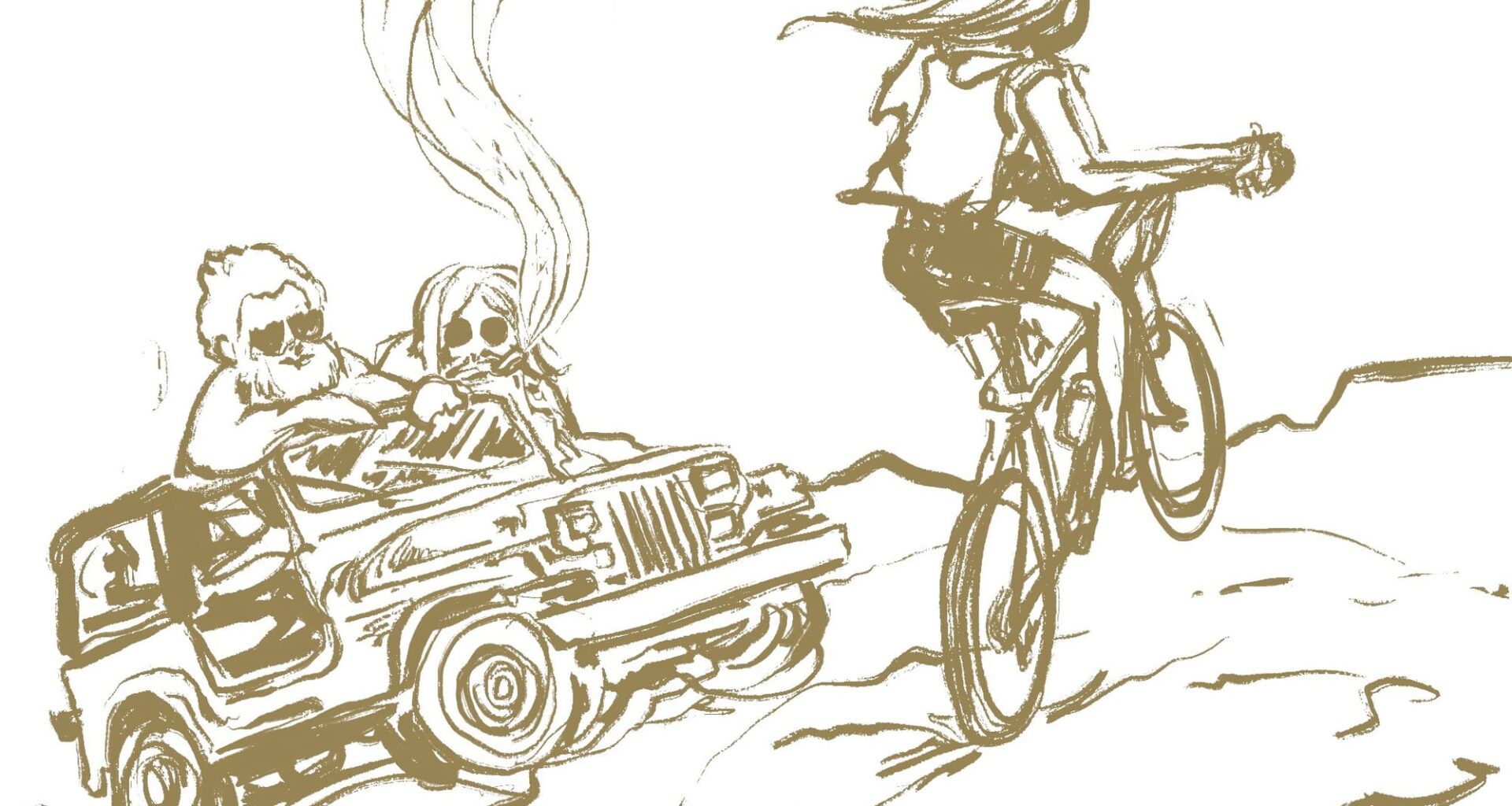
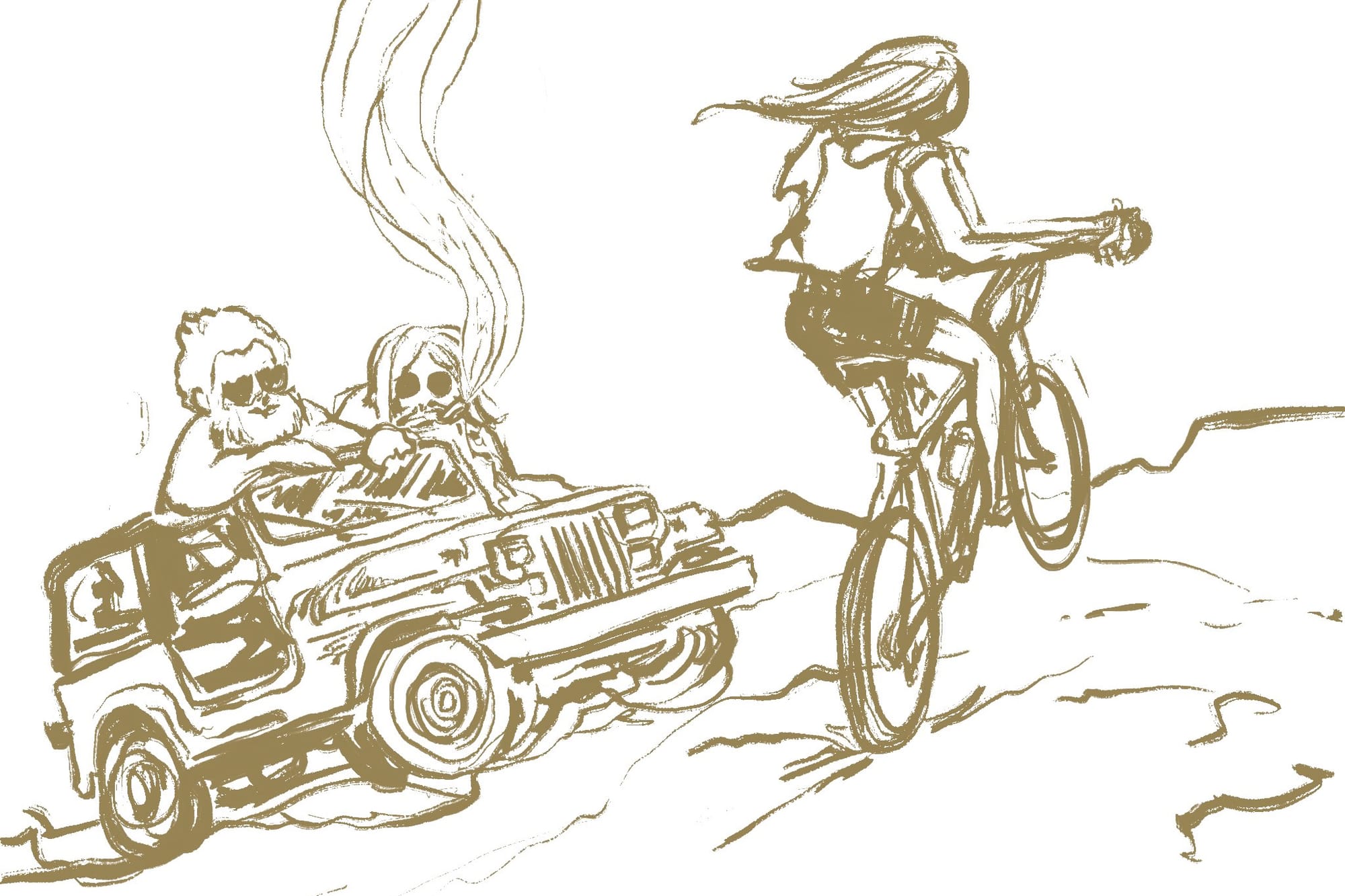
As the road narrowed and the first switchback appeared in front of him, Russell noticed a four-wheel-drive Jeep approach from behind. The Jeep was open-topped, and the occupants could be seen clearly, appearing nonchalant yet still enamoured of the scenery. The group stood out and was certainly not recognizable as locals. The Jeep rolled past Russell and slowed to a stop as he pedaled alongside the vehicle. A wiry figure with long hair and dark glasses rose up from the jeep and jumped out.
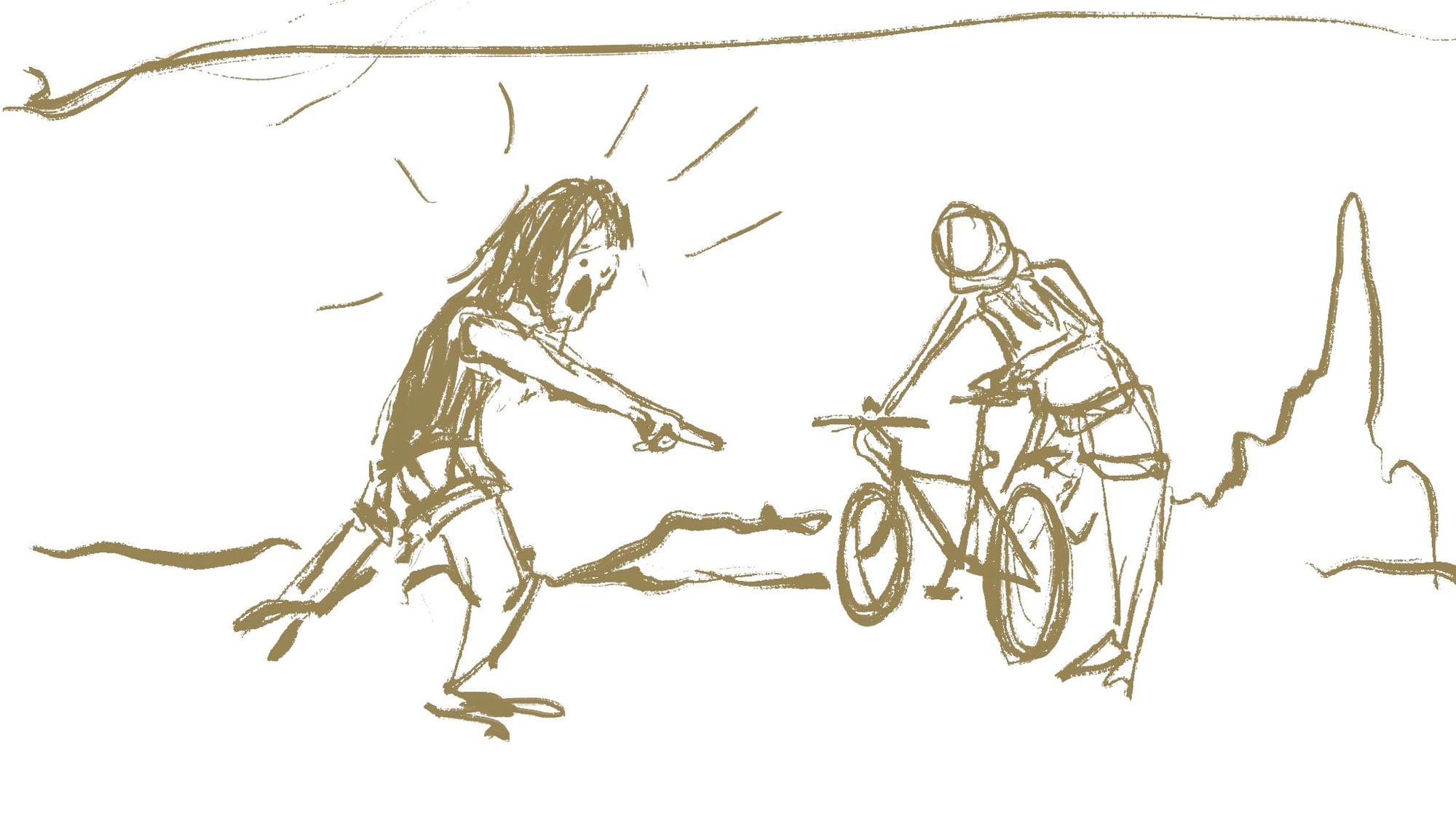
“Hey man, nice Ritchey! We’re from California, I know Gary Fisher and all the mountain bike cats!”
Russell stared back. For a moment, he was unsure of what to say. He was, after all, still in a hypoxic state and dripping with sweat, trying to catch his breath long enough to form a coherent thought. The stranger didn’t wait.
“I’m Bobby!” he continued, “We’re in town to perform in Town Park, and one of our friends offered to drive us up Black Bear Pass and show us around!”
This post is for subscribers only
Subscribe now
Already have an account? Sign in
Did we do a good job with this story?
👍Yep
👎Nope