
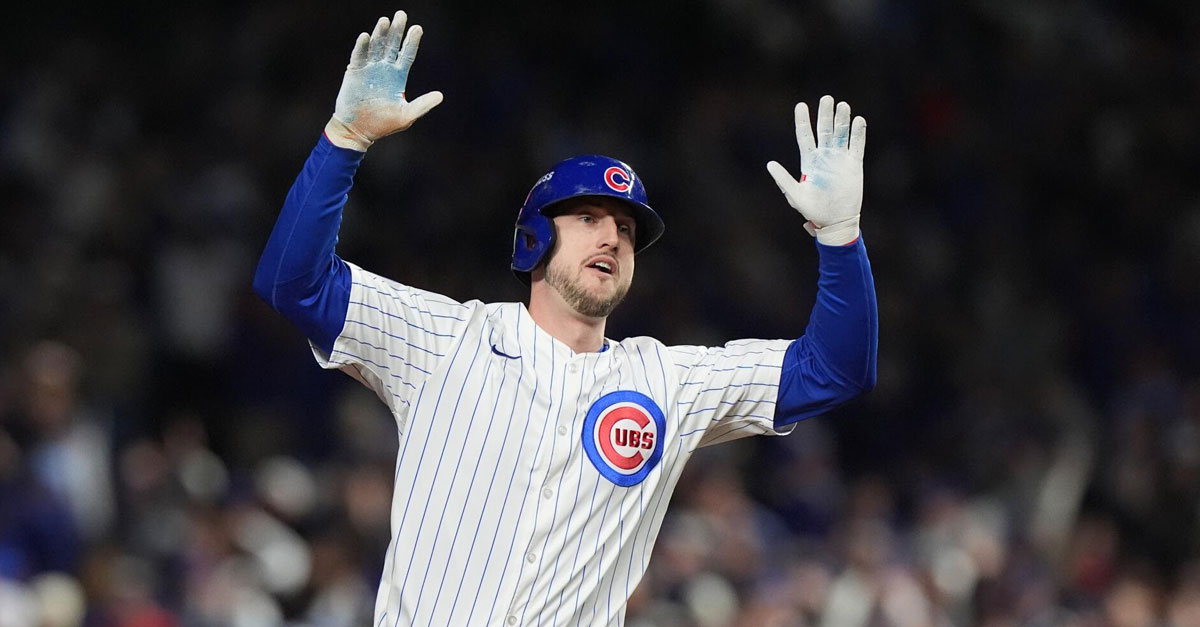
As I doomscrolled across the internet last night reading about the continued destruction of baseball at the hands of the Los Angeles Dodgers, a thought occurred to me: the early spring of 2027 may have some room for another sport to grow.
For those unaware of the current state of America’s national pastime, Major League Baseball’s Collective Bargaining Agreement expires on December 1, 2026. It has been widely speculated that there will be a lockout for the second time in five years due to concerns over a potential salary cap and the rising price of player contracts. Small market teams believe they do not have the means to compete with near-unlimited spending from the top. The Major League Baseball Players Association is fundamentally against a salary cap, seeing it as an unnecessary restriction on player earnings. No team exemplifies these issues more than the Dodgers, whose 2026 payroll is currently projected to be $429 million by Fangraphs. On Thursday night, they signed Kyle Tucker, the 26th most valuable hitter of 2025 by fWAR, to a four-year contract worth $240 million. With their luxury tax penalties attached to this deal, Kyle Tucker will cost the Dodgers almost $120 million per year… more than the projected 2026 payroll for 11 teams. A lockout is coming, and it may last a lot longer than the 99-day stint we last saw in 2022.
With one team dominating on both the open market and on the field (they’re also back-to-back World Series champions), baseball fans are already upset. If a lockout leads to the loss of games, the sport will inevitably lose some of the ground it’s made up with recent changes to pace of play and the on-field product.
This is where Brian Rolapp comes in.
{{related-articles}}
Major League Baseball understood that its gameplay needed (and still needs!) to change. Long-standing traditions of the sport were thrown out in favor of speeding up the game for viewers watching at home. The pitch clock was added to the major league level in 2023 and saved 24 minutes per game, on average. The shift was banned in an effort to allow for more base hits, and in turn, runs. Pitchers are now allowed just three disengagements per batter, causing stolen bases to skyrocket. Instant replay has become a staple and robo-umps are (partially) coming in 2026, allowing the players to have almost full control over a game’s outcome. These changes haven’t been without criticism: Dodgers pitcher Tyler Glasnow famously said that the pitch clock was contributing to increased fatigue, and in turn, pitcher injuries, and the use of robots to call balls and strikes does take a human element out of the game.
Does Brian Rolapp have the power to enact widespread changes to the game at the PGA Tour level? It sure seems like he does! Pace of play is perhaps the largest issue facing the on-course product, and it’s a problem that baseball figured out how to fix. Can Rolapp continue his battle against some of the institutional traditions of his league and shave substantial time off of rounds? Thursday at the Sony seemed to be a start, given that the smaller-than-usual field actually finished the first round. Another thing that should help? Rolapp’s trusty Future Competition Committee. Yeah, Tiger Woods is in those meetings, but do you know who else is? Former MLB executive and current Fenway Sports Group adviser Theo Epstein. How can you fix some of the same problems your competition already fixed? Bring in the guy who helped do it for them.
{{inline-article}}
Do I think, at some level, it is purely a coincidence that pro golf’s summer sports competition is headed toward a nasty work stoppage at the same time as the new PGA Tour CEO wants to unveil a new-look schedule? Yes, yes I do. But I also think the Tour is smart enough to read the tea leaves on this one. They’ve been blessed with an opportunity to strike while the iron is hot, competing with, at worst, no baseball, or at best, incredibly fed-up baseball.
Come February 2027, pro golf could be the only show in town starting a new season. I’m not suggesting decisions that will shape the future of the PGA Tour should be made based on a baseball lockout, but I do think it’s incredibly important for the Tour to capitalize on the moment. Look at what baseball did to improve the product, bring it to golf, and grab some of the available market share that is searching for something new. Give the people a digestible, concise, competent broadcast featuring the best players in the world.
Somebody inside the moat in Ponte Vedra was pretty happy about the Kyle Tucker contract and knows what it could mean for the future of sports, I’m sure of it. The Rolapp-led Tour already capitalized on a major opportunity with the return of Brooks Koepka. It’s time to prepare for round two.