
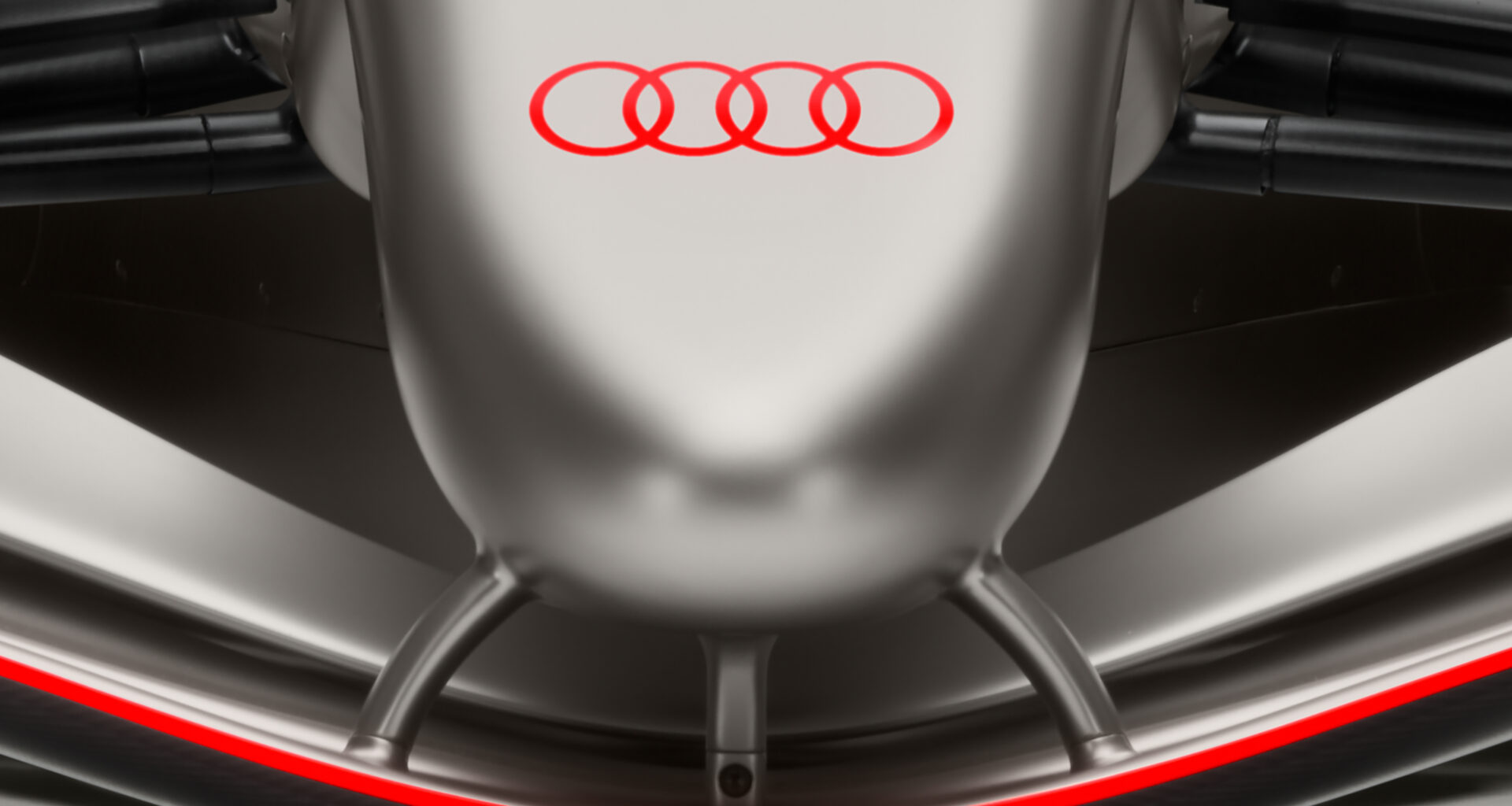
The German brand has steadily increased its involvement over recent seasons, using the Sauber platform to build infrastructure, recruit personnel and align its long-term strategy with Formula One’s new technical regulations. From 2026, Audi will operate as a full works team, producing its own power unit under the sport’s revised engine rules.
The challenge now turns to execution. Integrating a new power unit programme with an established chassis operation brings both opportunity and risk, particularly as teams adapt to lighter cars, new aerodynamics and sustainable fuels. Audi’s approach has focused on stability, retaining much of Sauber’s existing structure while layering in manufacturer-level resources and processes.
Early expectations remain measured, with the emphasis on building competitiveness over time rather than immediate results. The reset offered by the 2026 regulations provides a chance to close gaps, but the learning curve facing any new works project is steep.
As the countdown to 2026 continues, Audi’s presence adds further weight to Formula One’s growing manufacturer appeal, with the company abandoning its long-running involvement in sports car racing in order to make the transition to F1. How quickly the project converts ambition into performance will be one of the key storylines of the 2026 season.