
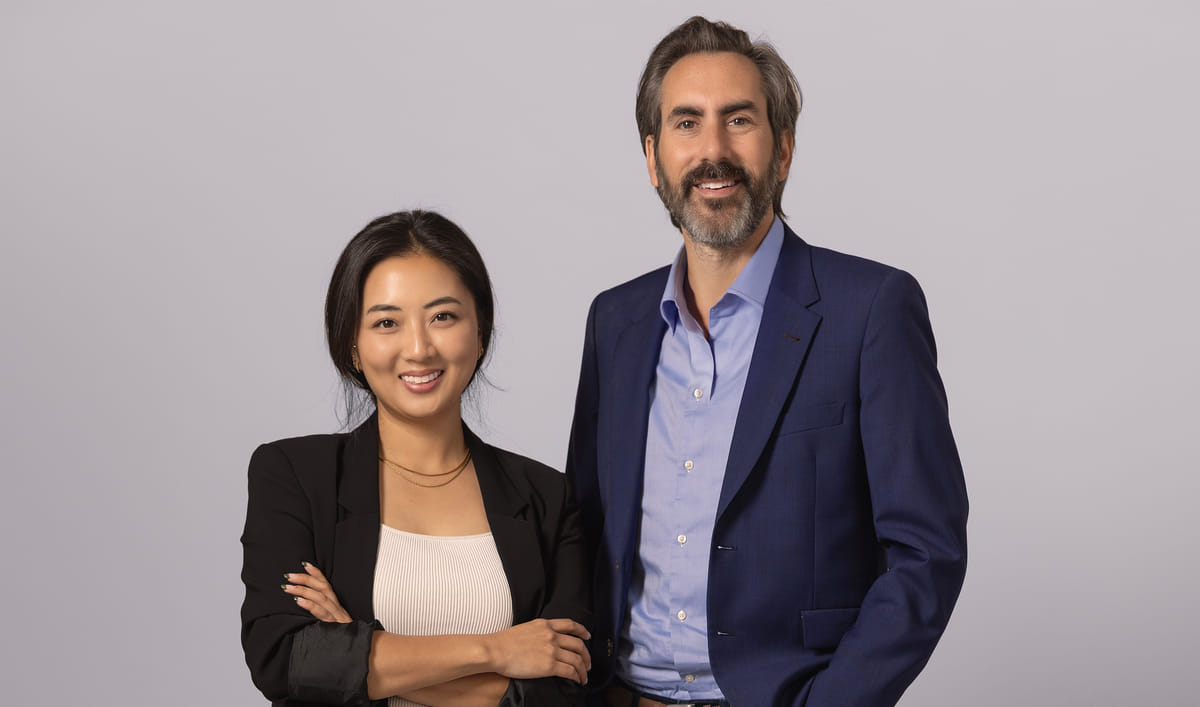
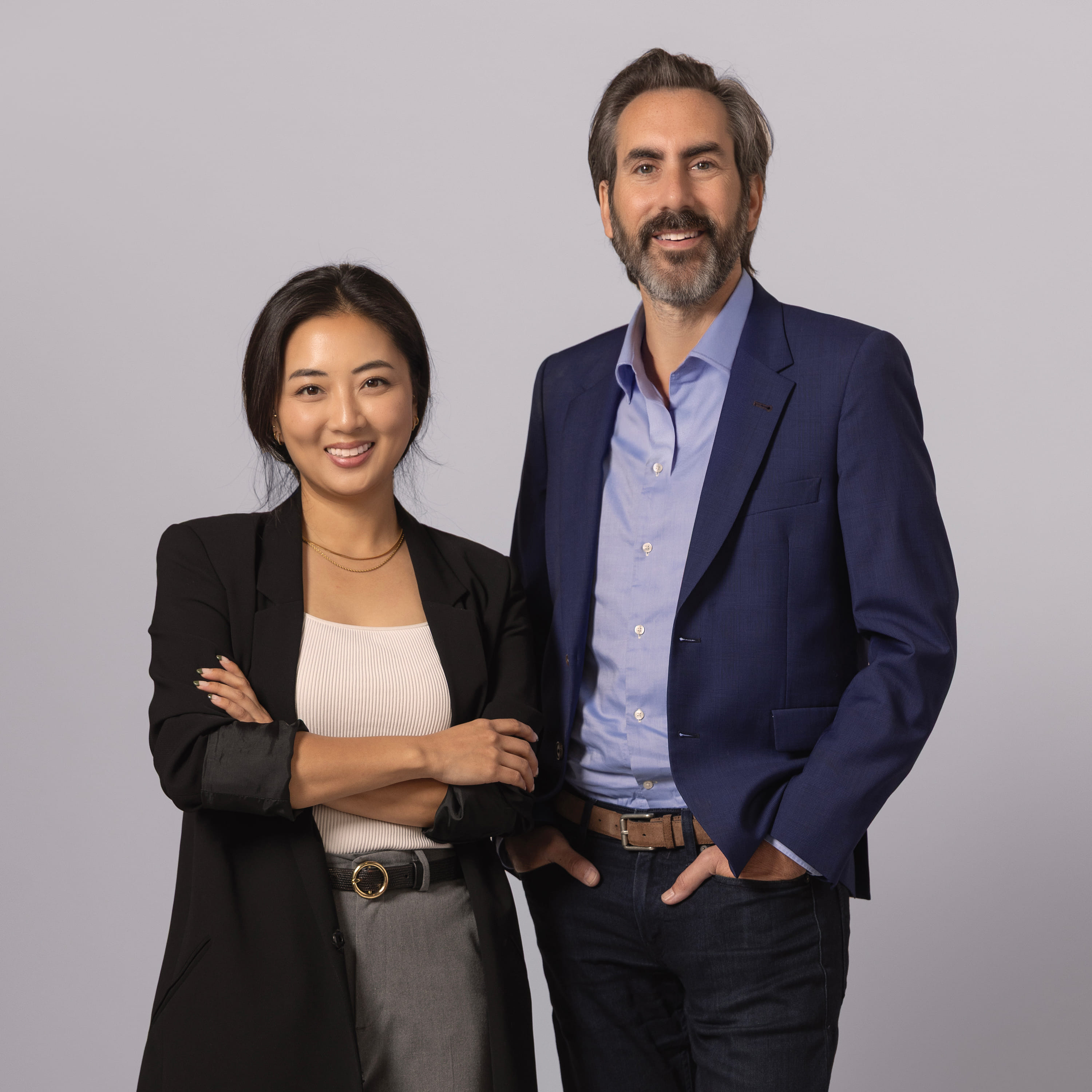
The Dan Brunn Architecture leadership team: studio director Julia Ok and founding principal Dan Brunn. Photo: Paul Sun (The Social Trust), courtesy Dan Brunn Architecture.
Today’s Archinect Studio Snapshot features Los Angeles-based architect Dan Brunn, founder and principal of Dan Brunn Architecture. Established in 2005, the studio has built a name for clean, conceptual modernism — always with a playful touch and, as Brunn tells us, inspired by natural systems.
Our conversation touches on the importance of operational efficiency as a small team, the value of work-life balance, and how he envisions the guiding design ethos of “purposeful modernism.”
Can you tell us how Dan Brunn Architecture was founded?
Upon completing graduate school, I returned to Los Angeles to teach at USC. A longstanding vendor contact approached me with an opportunity to design a corporate showroom in Northern California. The client was making a substantial investment to create a distinctive design experience. However, since no photography budget had been allocated, I collaborated with my colleague Brandon Shigeta to document the completed space — an experience that launched his professional career as both photographer and architect. While consulting with staff at a local camera equipment rental facility, I was introduced to the shop owner. She and her husband were actively seeking architectural services and inquired about my availability. This fortuitous encounter ultimately led to the establishment of our company.
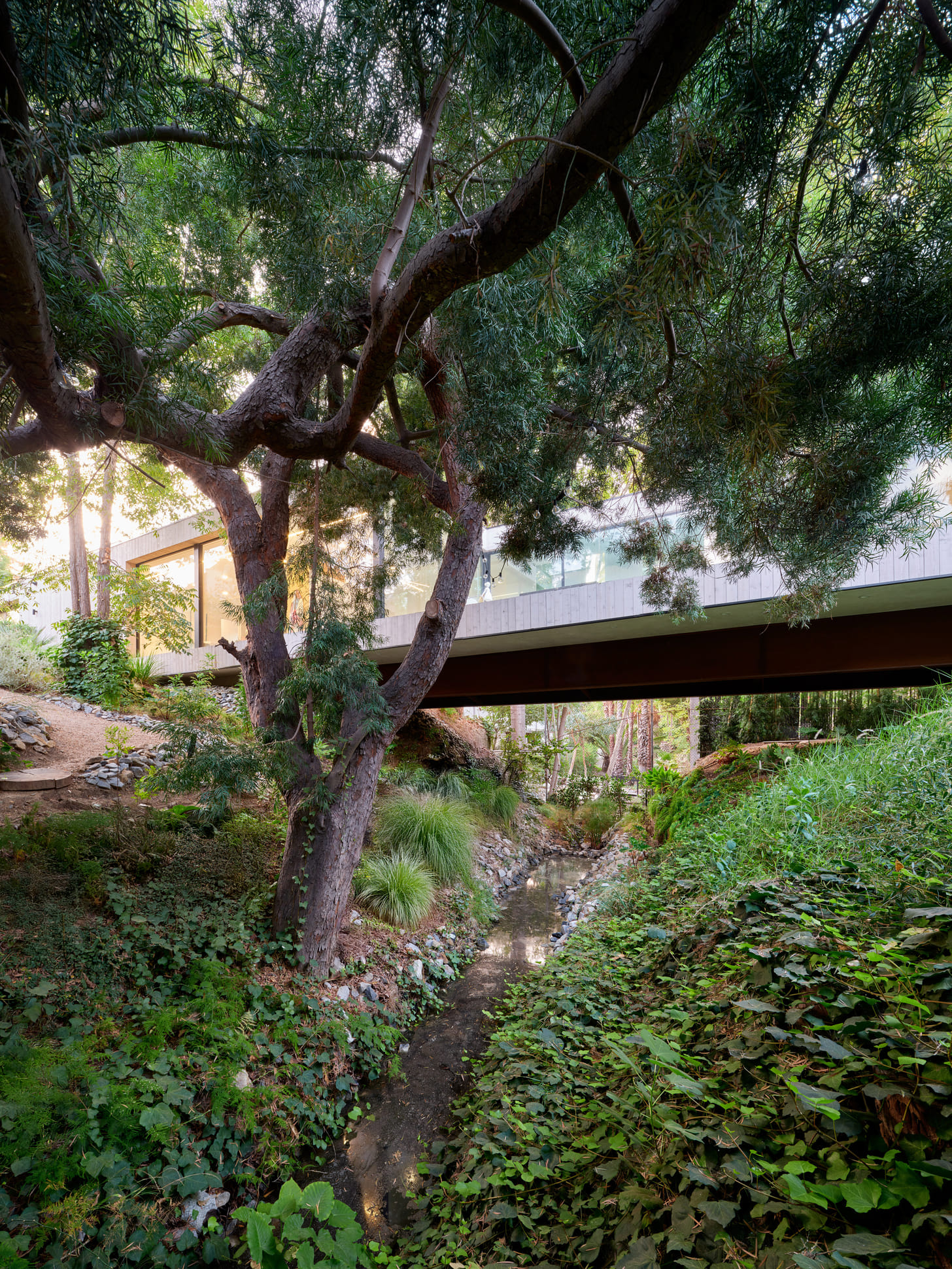
Bridge House in Los Angeles.
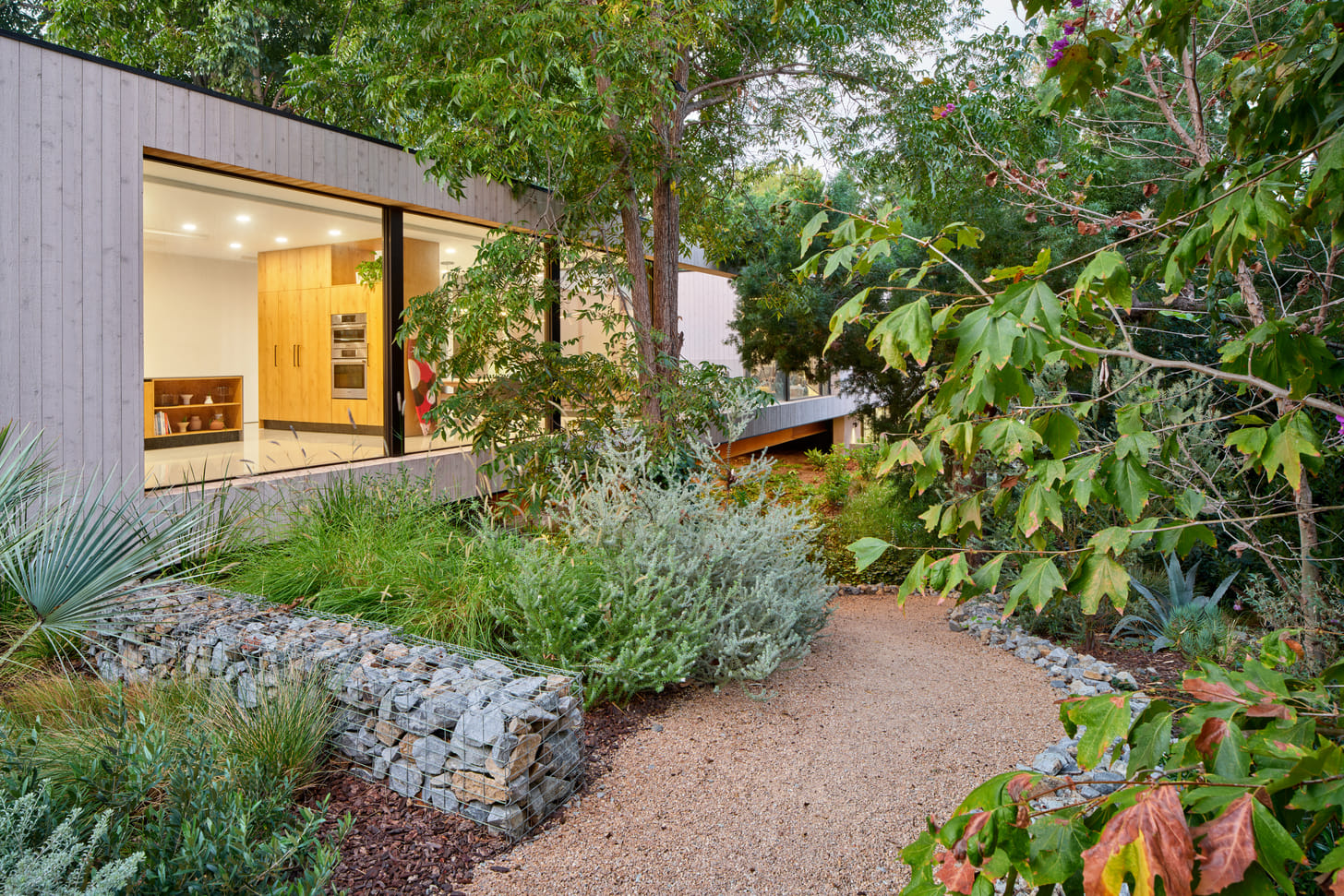
Bridge House in Los Angeles.
How many people are currently employed at the firm? How is your office structured?
Our current team consists of five, with operational efficiency as our core focus. When building our team, I prioritize dedicated individuals who demonstrate a positive outlook and collaborative spirit. Given the extensive time we spend working together, fostering a strong team culture is essential. My vision encompasses creating a legacy of exceptional design excellence while maintaining an inspiring and equitable work environment. We operate on a streamlined 35-hour work week to optimize productivity and work-life balance.
We operate on a streamlined 35-hour work week to optimize productivity and work-life balance.
Organizationally, I serve as founder and principal of DBA, while Julia Ok is our studio director. We collaborate on initial conceptual development, after which she oversees production with the other team members, ensuring adherence to our established DBA design language and providing construction teams with the necessary technical documentation. This structure creates an effective operational synergy that drives our project success.
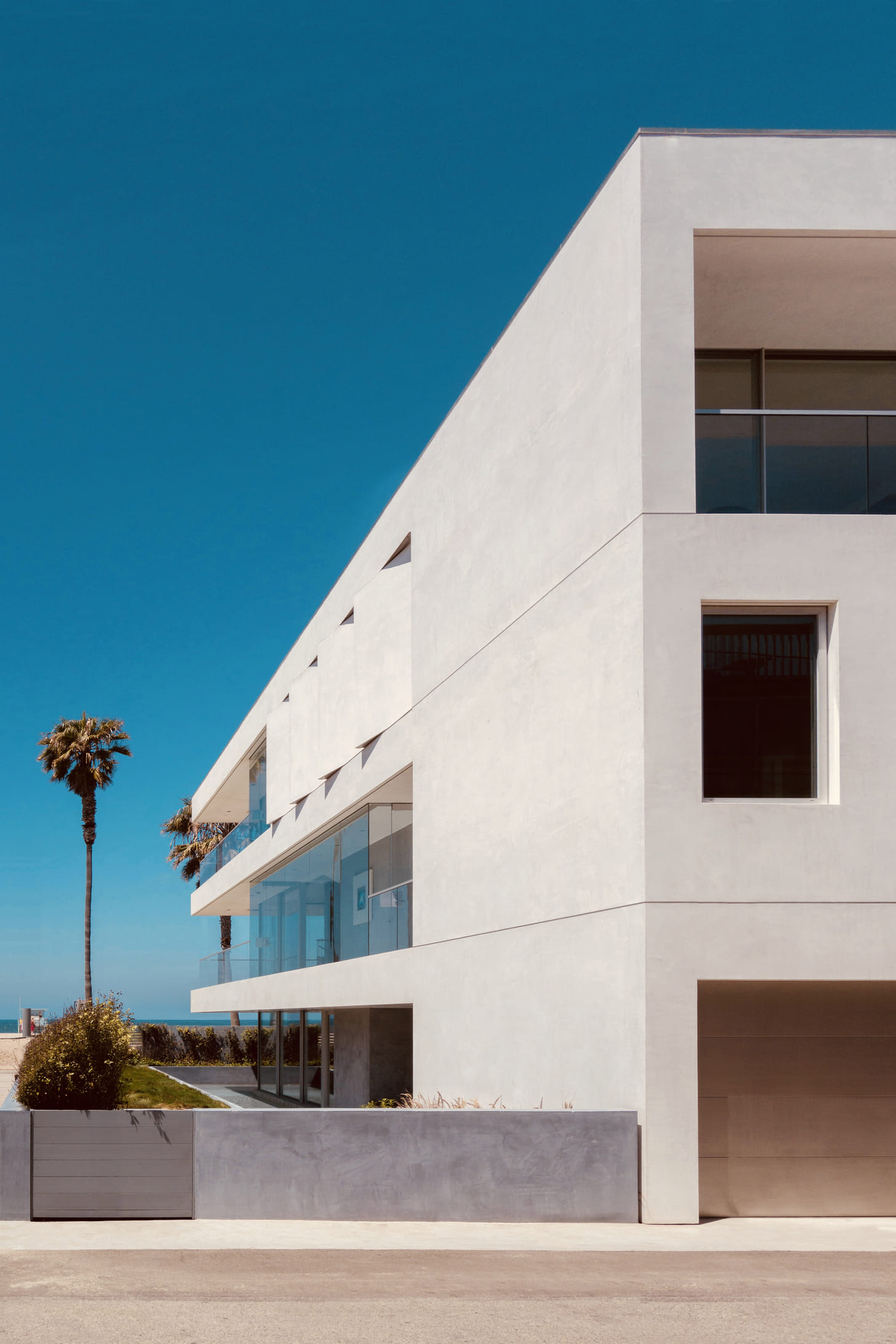
Flip Flop House in Venice Beach.
Would you like to scale up and grow your team? What do you consider the ideal size for your practice?
I am currently working to expand our office to a team of ten professionals. I believe we have significant untapped talent within our organization that deserves greater visibility and opportunity for development. This expansion will also enable us to pursue larger-scale projects and broaden our project portfolio accordingly.
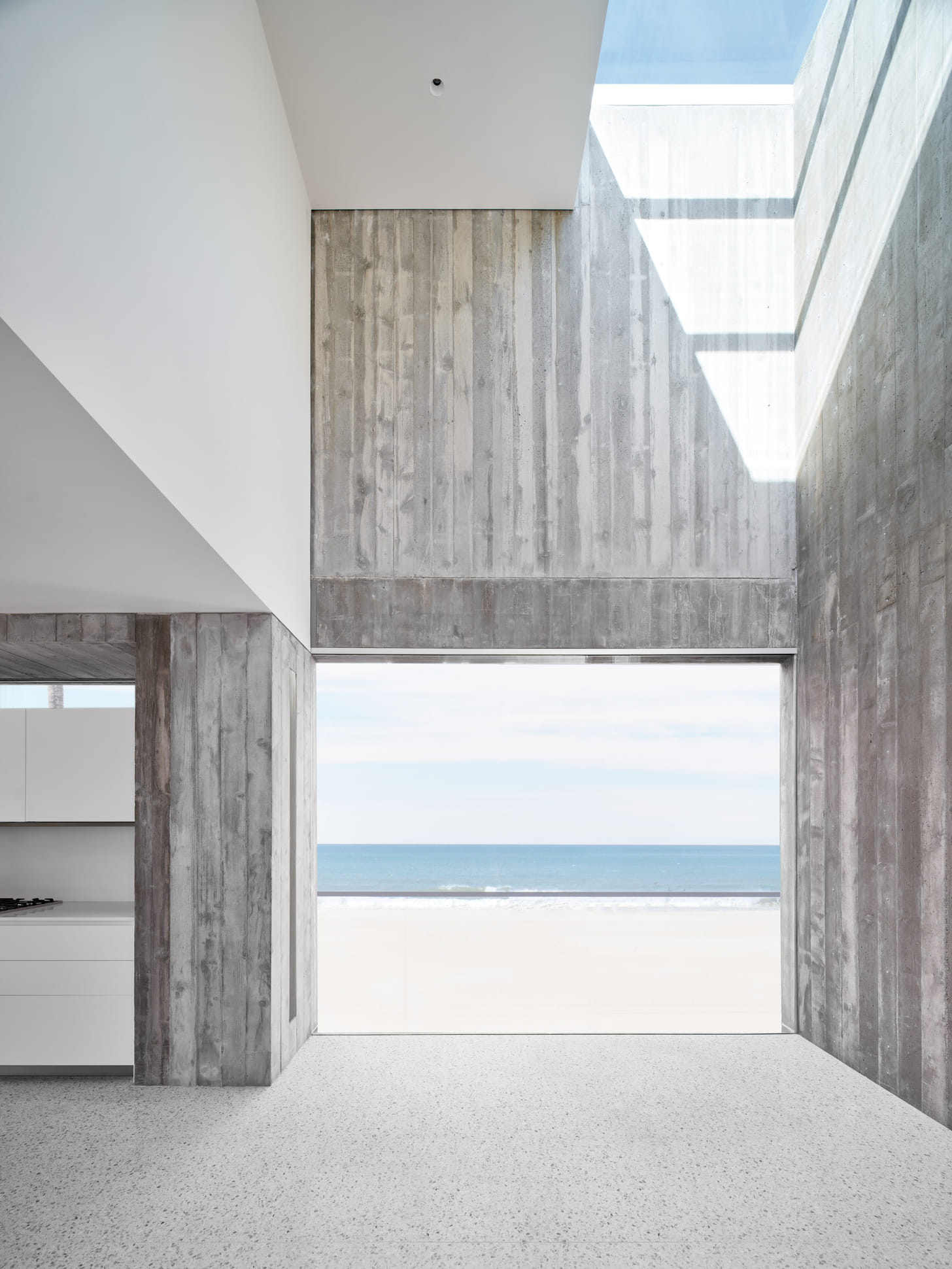
Positively Negative House in Venice Beach.
What have been the biggest challenges of starting and running your own practice?
In retrospect, the initial years of operation were characterized by relative simplicity and minimal overhead costs. As the firm has evolved and matured, operational expenses have increased correspondingly. During our startup phase, project acquisition was achieved exclusively through referral networks, but we have since made strategic investments in publicity, marketing, business development, and other essential operational requirements.
While the initial establishment of the firm proceeded smoothly, subsequent years have presented increasingly complex challenges. The pandemic created significant disruption to our operations, and the recent Los Angeles fires have further impacted our business environment. The current marketplace appears to be in a state of continuous transformation, requiring ongoing adaptation and strategic flexibility.
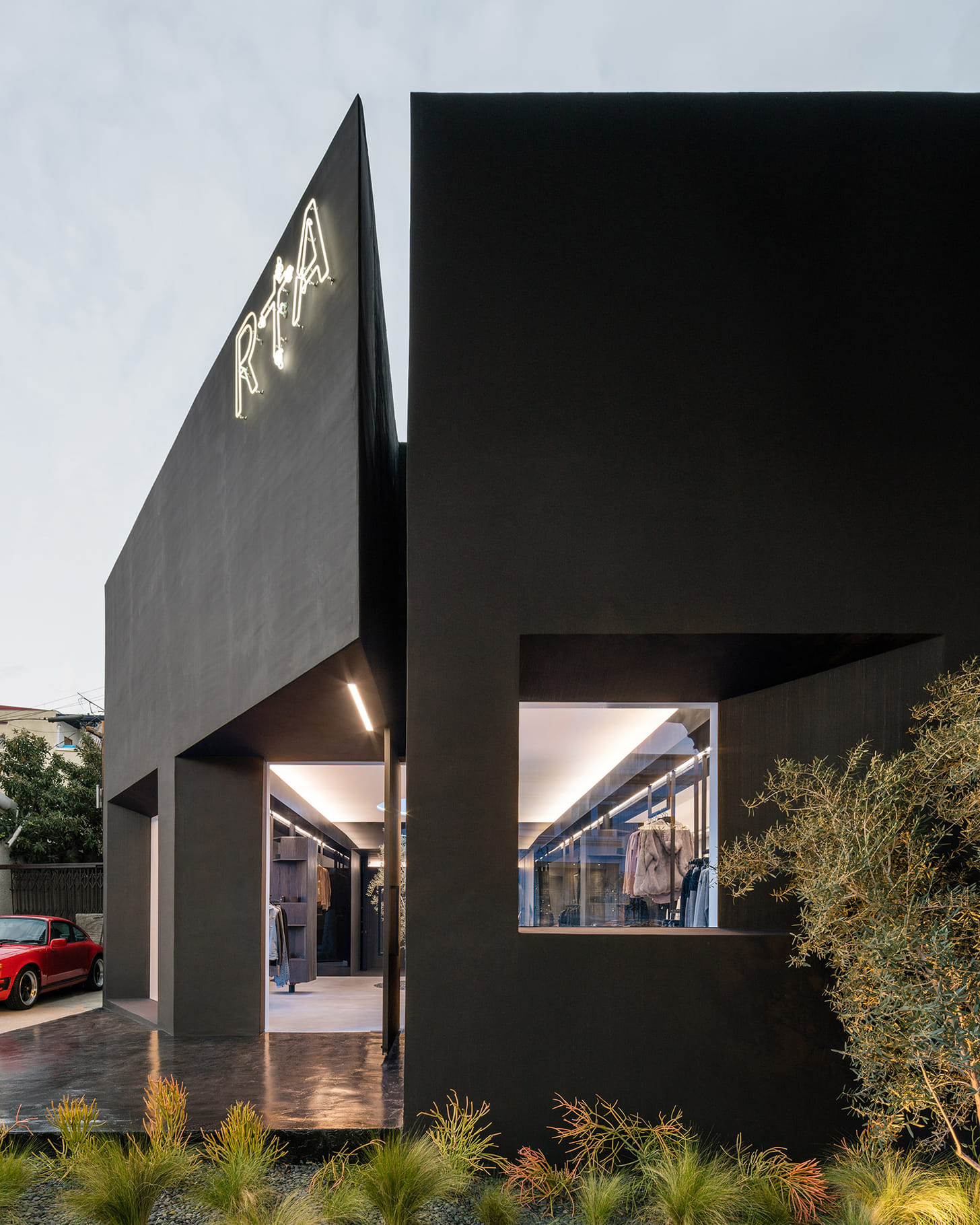
RtA Melrose in Los Angeles.
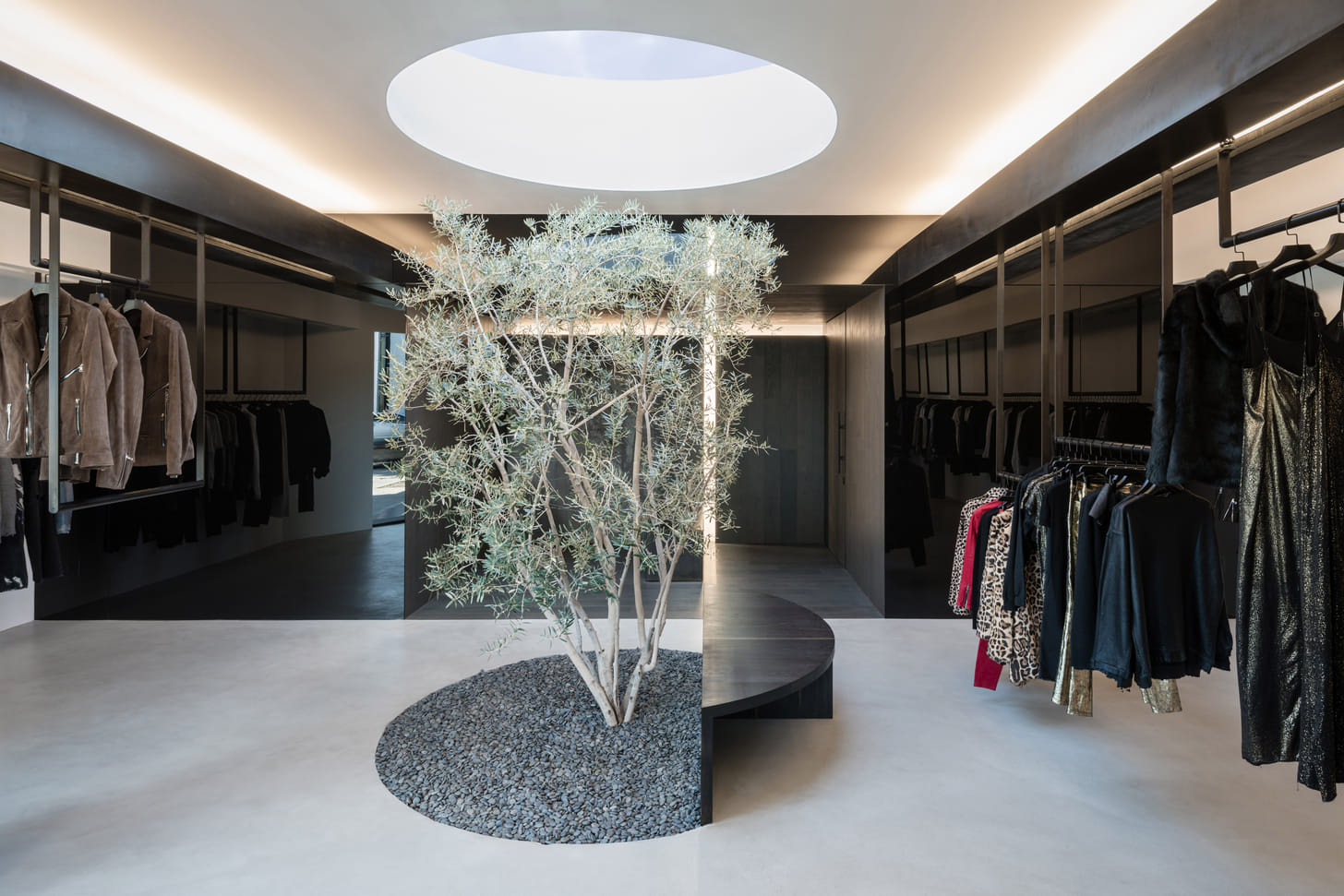
RtA Melrose in Los Angeles.
You describe your design ethos as based on the concept of “purposeful modernism.” Could you elaborate on your personal approach?
Yes, I believe this represents a logical evolution of the “form follows function” principle. My design philosophy centers on creating projects with enduring value and longevity, drawing inspiration from natural systems. Through careful examination of botanical structures, one observes that every element serves a specific purpose, with no redundant or extraneous features. This inherent efficiency in nature serves as a fundamental guide for our design approach, ensuring that each architectural element contributes meaningfully to the overall function and aesthetic of the project.
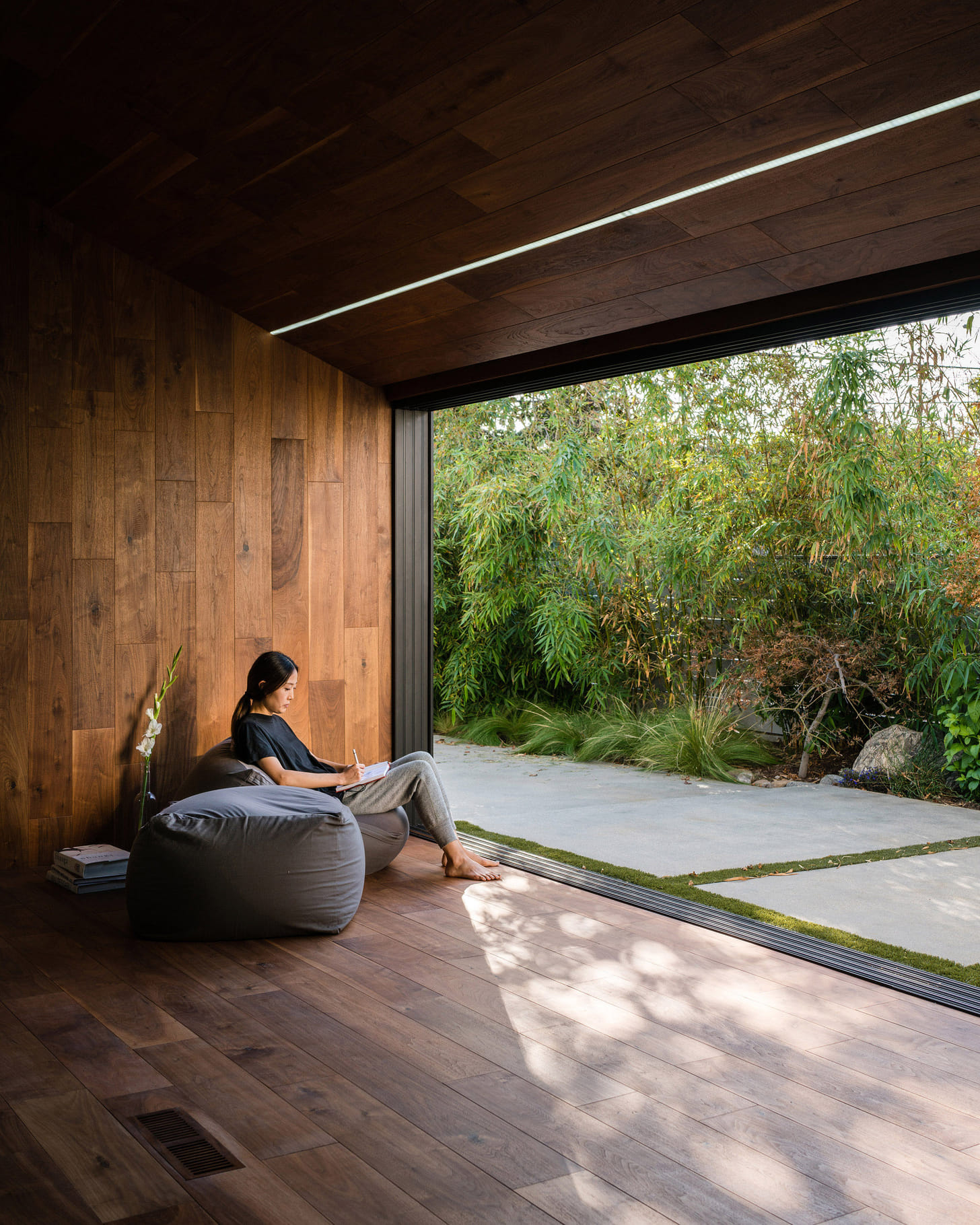
Hide Out House in Los Angeles.
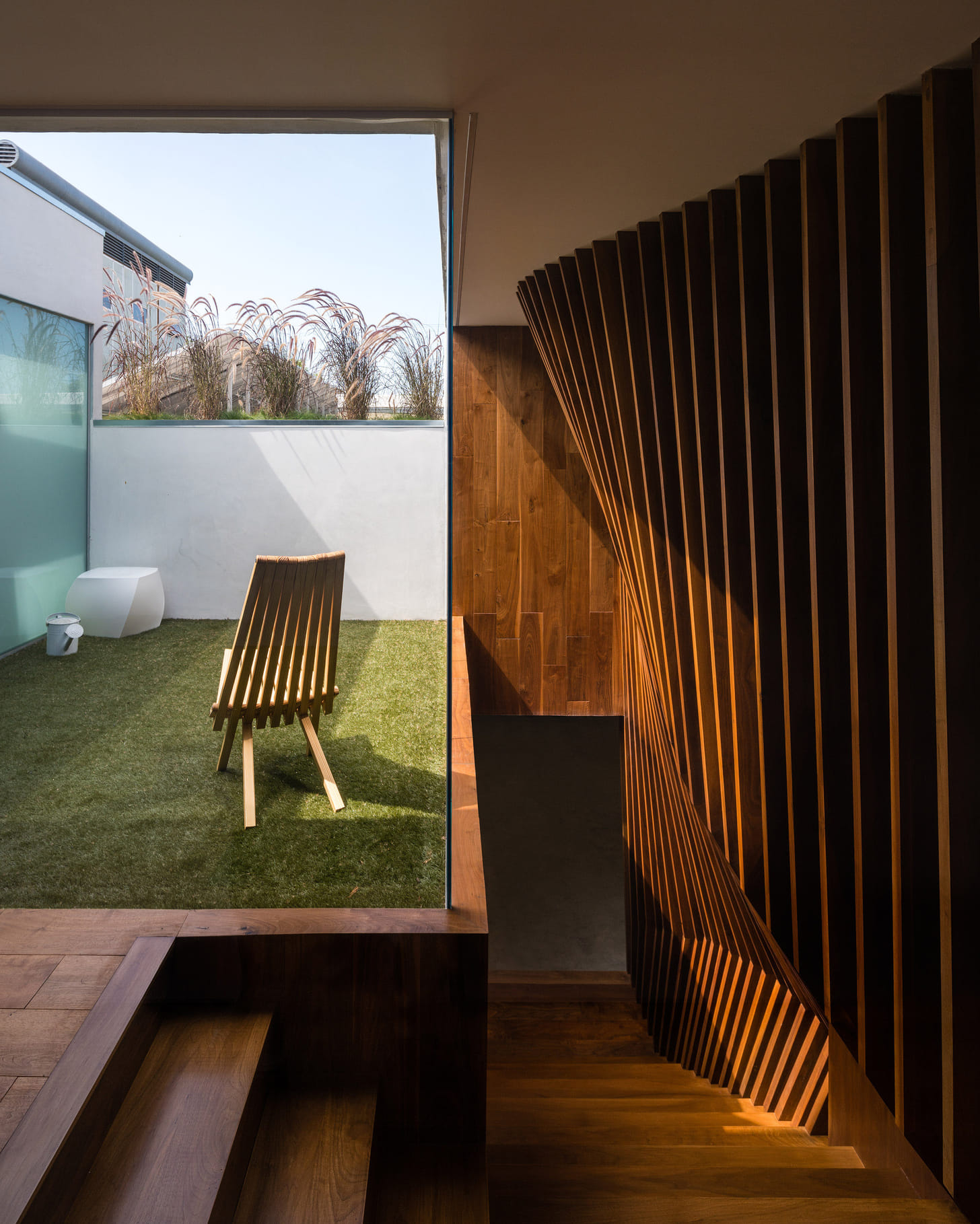
Hide Out House in Los Angeles.
Do you have a favorite or especially memorable project? Completed or in progress.
This is a challenging question to answer, as each project holds particular significance and serves as a marker of a specific period in both my professional development and personal journey. I often view our portfolio as a chronological narrative, with each project evoking distinct memories and life experiences — a perspective I find deeply meaningful.
Recently, a café we designed experienced temporary closure before successfully reopening, which was both gratifying and, quite fittingly, aligned with our design philosophy. The project, Coffee for Sasquatch, continues to thrive and serve the community.
Additionally, we have two residential projects currently under construction that represent significant achievements for our firm. One project commenced in March 2020, while the other has been in development since 2016. Both projects demonstrate our commitment to thoughtful design processes and long-term client relationships.
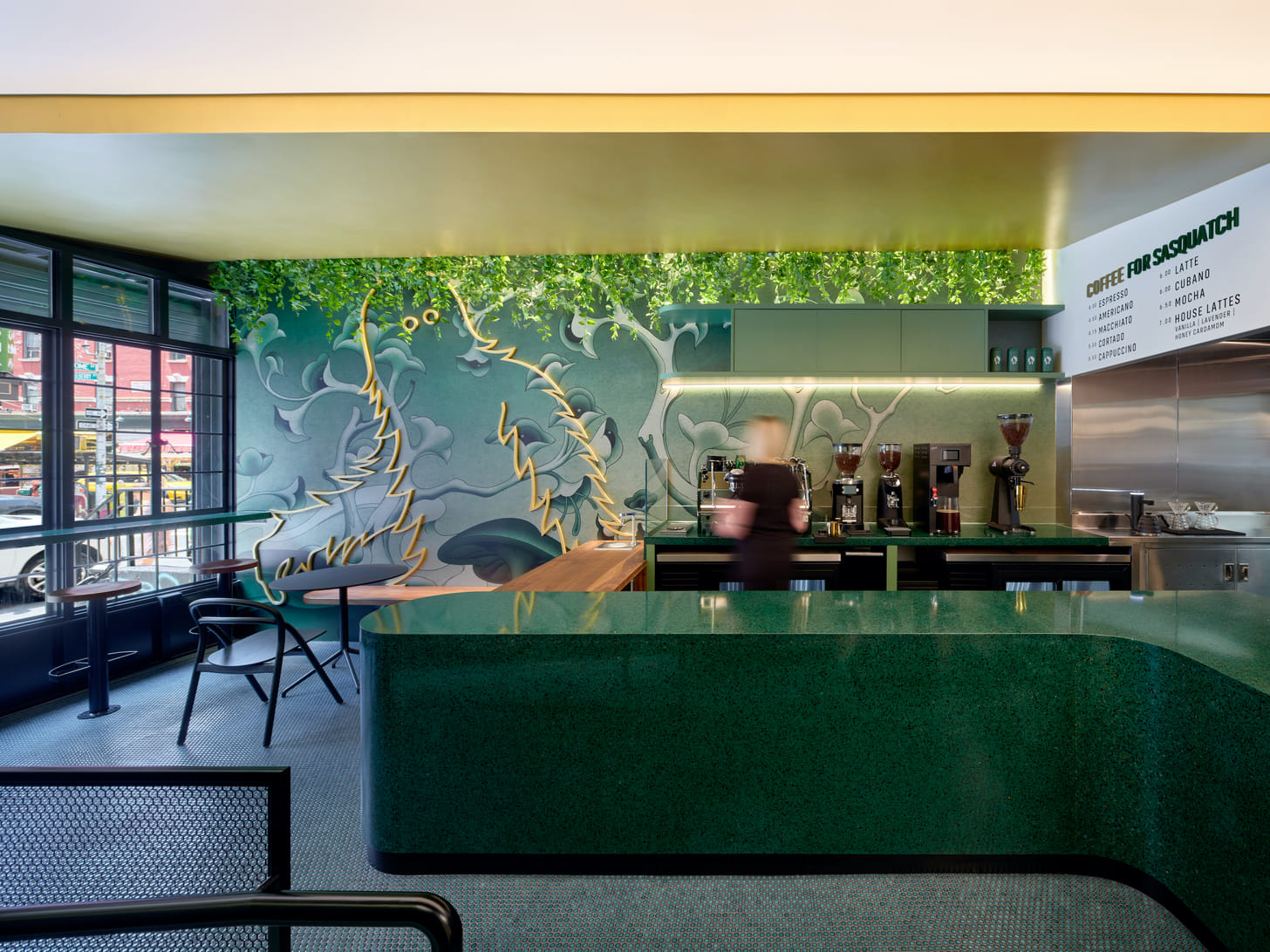
Coffee for Sasquatch NYC in New York City.
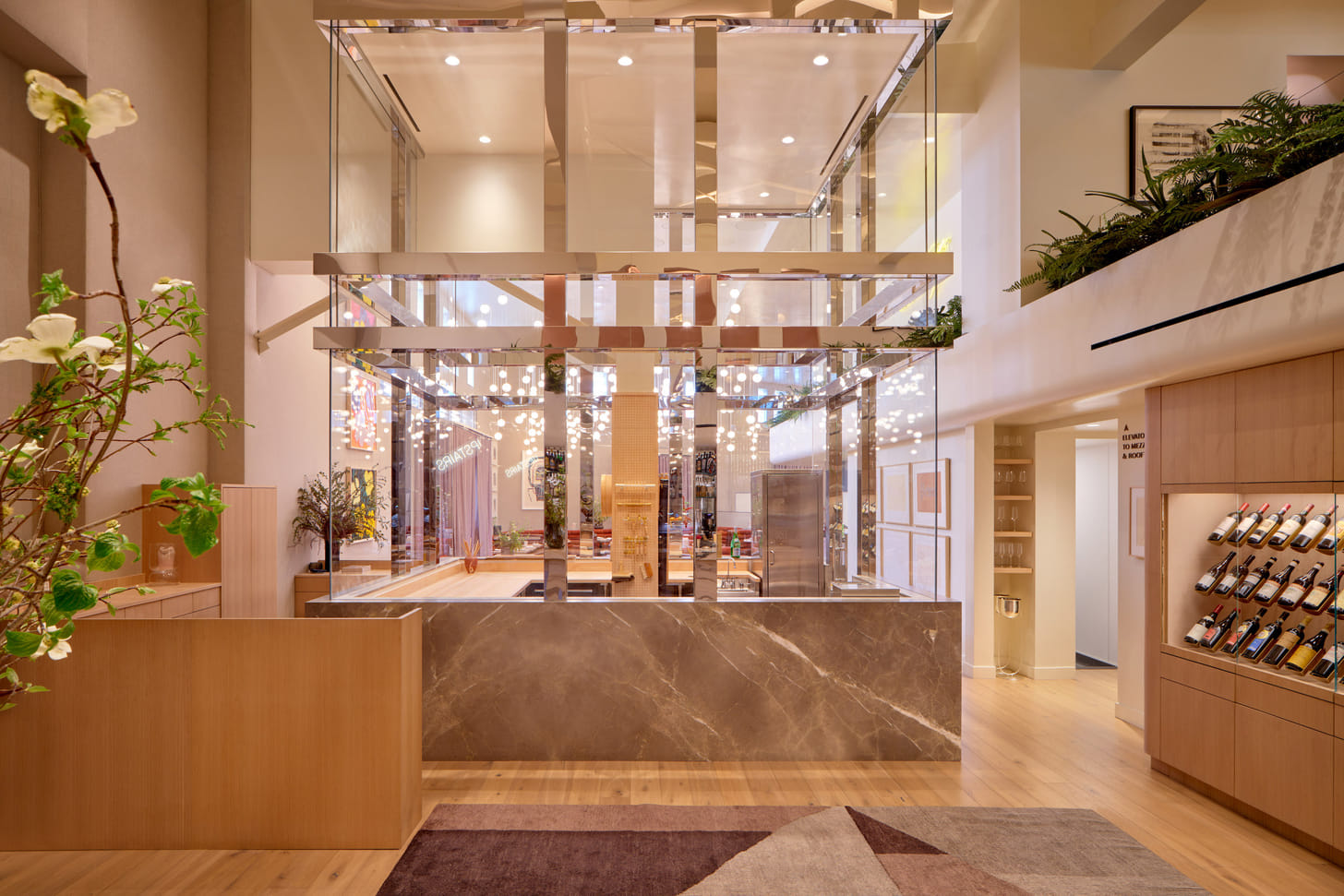
Funke in Beverly Hills.
As an LA-based architect, you have been very engaged in the aftermath of the devastating January 2025 wildfires and participated in the AIA Los Angeles chapter’s Wildfire Disaster Response Ad Hoc Task Force. What were some critical lessons you learned from this disaster and its community response? Which initiatives do you wish more local architects would join and volunteer for?
Absolutely. I am currently participating in a collaborative initiative with fellow architects focused on reimagining resilient housing for the future. We are launching Case Study 2.0, an important program addressing contemporary housing challenges.
At DBA, we have developed two distinct model home prototypes specifically designed for deployment across multiple sites within fire-prone zones. By making these plans available as standardized model homes, we can significantly reduce design costs while providing high-quality architecture to individuals who have lost their homes to natural disasters.
My design philosophy centers on creating projects with enduring value and longevity, drawing inspiration from natural systems.
Our practice has consistently emphasized contextually responsive design, and I believe there is substantial opportunity for increased market demand in this area. While I do not attribute this gap primarily to architects, I do see a need for greater homeowner awareness regarding the benefits of site-specific design. Architecture fundamentally enhances quality of life, extending far beyond aesthetic considerations.
Unfortunately, we observe too many climatically inappropriate housing styles — such as Cape Cod designs — being constructed in Southern California, when our region would benefit from architecture specifically calibrated to our unique climate conditions and solar exposure patterns. This represents a significant opportunity for more thoughtful, responsive design approaches.
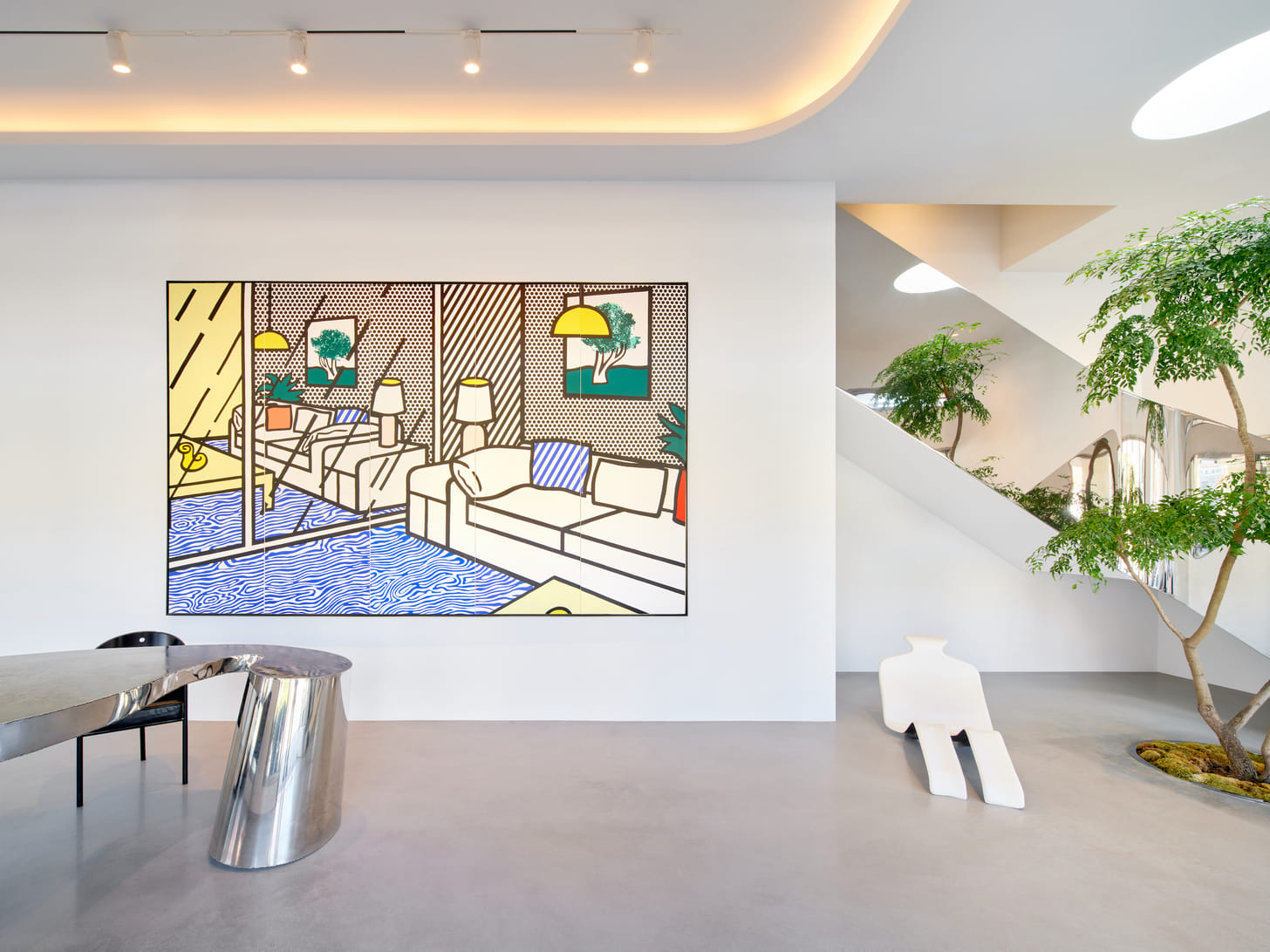
The Office and Museum in Beverly Hills.
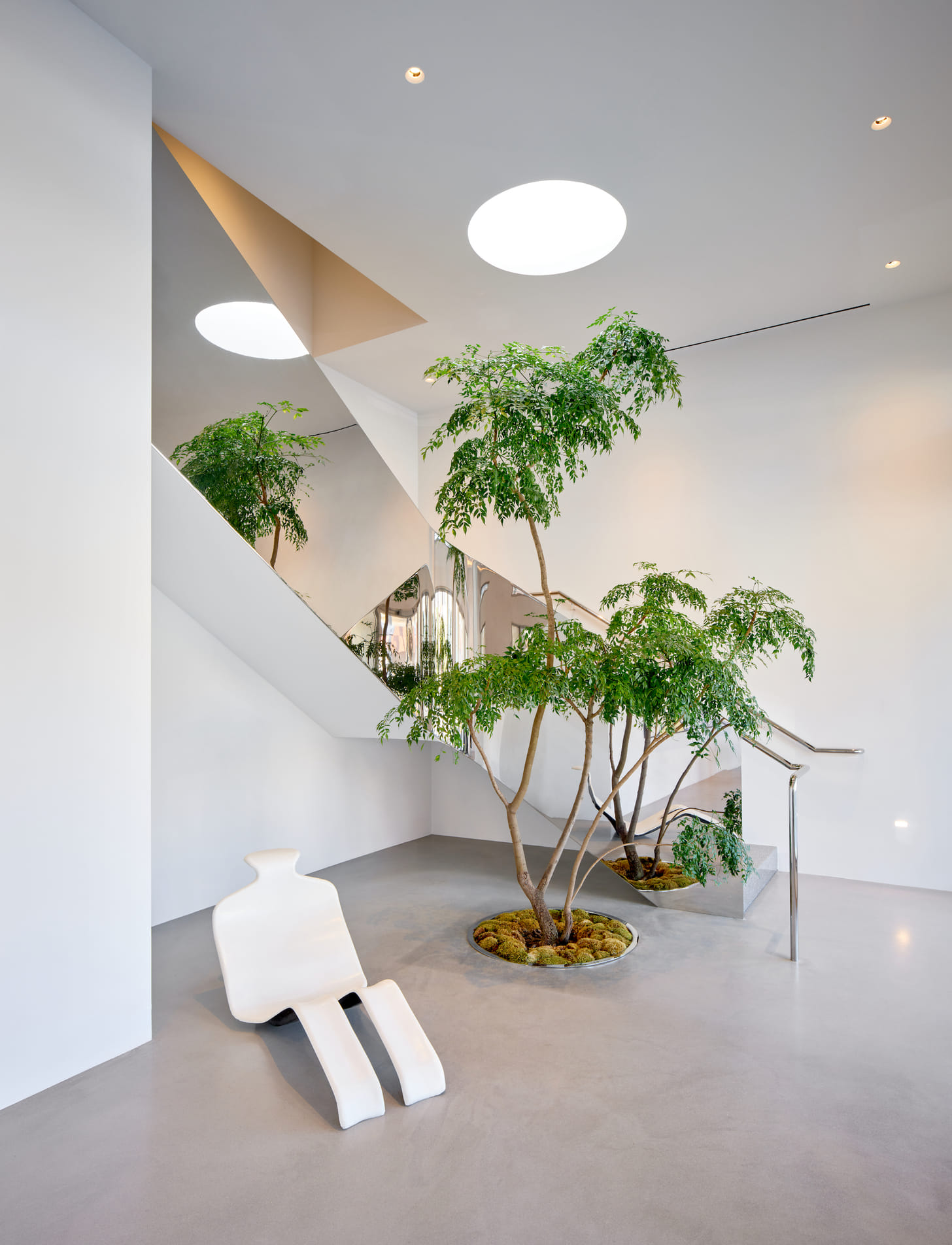
The Office and Museum in Beverly Hills.
What are some of your favorite practices you’re following?
While this may appear contradictory to my emphasis on contextual design, I draw significant inspiration from prominent international architects and designers, including David Chipperfield, Marc Newson, Herzog & de Meuron, Peter Zumthor, and Rem Koolhaas. Their work demonstrates how universal design principles can be thoughtfully adapted to specific contexts while maintaining conceptual rigor and architectural excellence.
If you could describe your work/practice in three words, what would they be?
Timeless Empathetic Design.