
They claimed paracetamol, known in the US by the brand name Tylenol, had been linked to autism in children.
 Paracetamol is safe for pregnant mothers, a new study has confirmed. (Nine)
But an evidence review published in The Lancet found there was no evidence taking the drug while pregnant increased the risk of autism, ADHD or intellectual disability among children.
The systematic review looked at 43 studies to draw its conclusion.
Gynaecologist and senior lecturer at the University of Melbourne Joseph Sgroi said paracetamol is safe to use as directed.
“Simply put, when rigorous methods are applied, and accounting for all bias, the previously suggested harms do not hold up,” he said.
“What is well established, however, is that untreated pain and especially high maternal temperatures can be harmful in pregnancy.
“Fever has been associated with miscarriage, preterm birth, and congenital anomalies.
“For this reason, avoiding paracetamol out of fear is not evidence-based and may place both mother and baby at risk.”
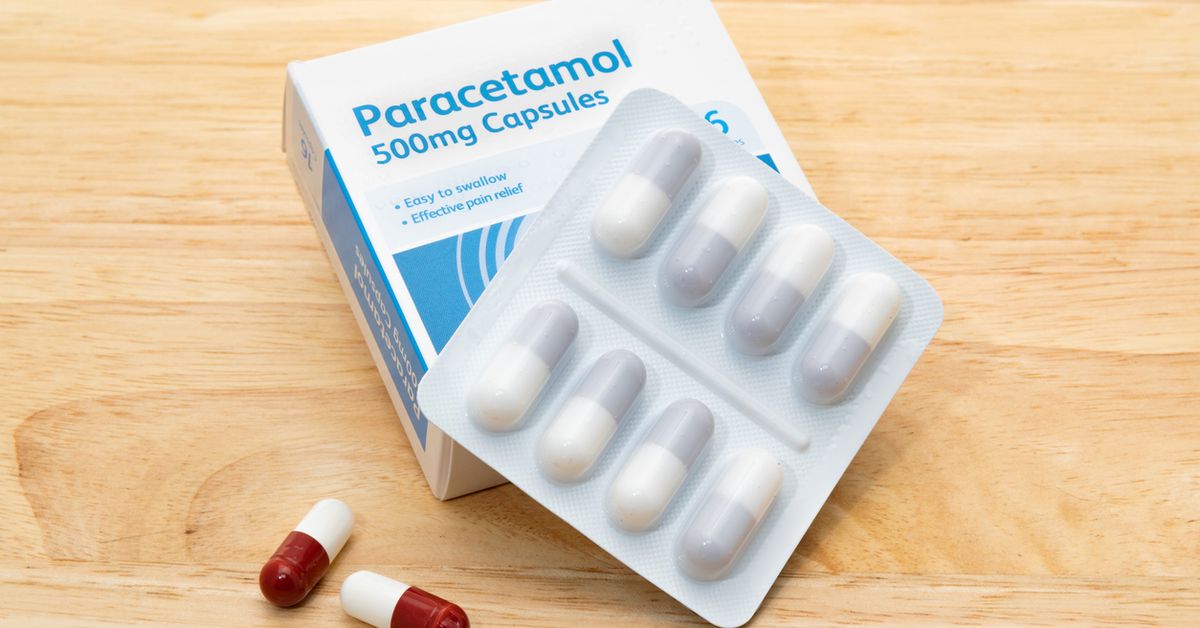
 Paracetamol is commonly sold in Australia under the brand name Panadol. (Rafael Ben-Ari – stock.adobe.com)
In September, Trump and Kennedy, neither of whom have any medical training, instead urged mothers to tough it out.
“Taking Tylenol is not good,” the president said.
“For this reason, they are strongly recommending that women limit Tylenol use during pregnancy unless medically necessary.”
The Lancet’s review published today found the links between paracetamol and autism were “often based on studies prone to biases”.
 President Donald Trump claimed without reliable evidence that paracetamol was not safe to take. (AP)
The maximum adult dose is 4000mg in any 24-hour period.
The optimal dose for younger children is 15mg per kg, which can be given every four to six hours as required.
Children should have no more than four doses in 24 hours.
Paracetamol should always be used in accordance with the directions on the label and individuals should not take more than one medication containing paracetamol at the same time.
The information in this story is general in nature. Please always consult your GP or health professional for advice that is tailored to your specific health concerns.