
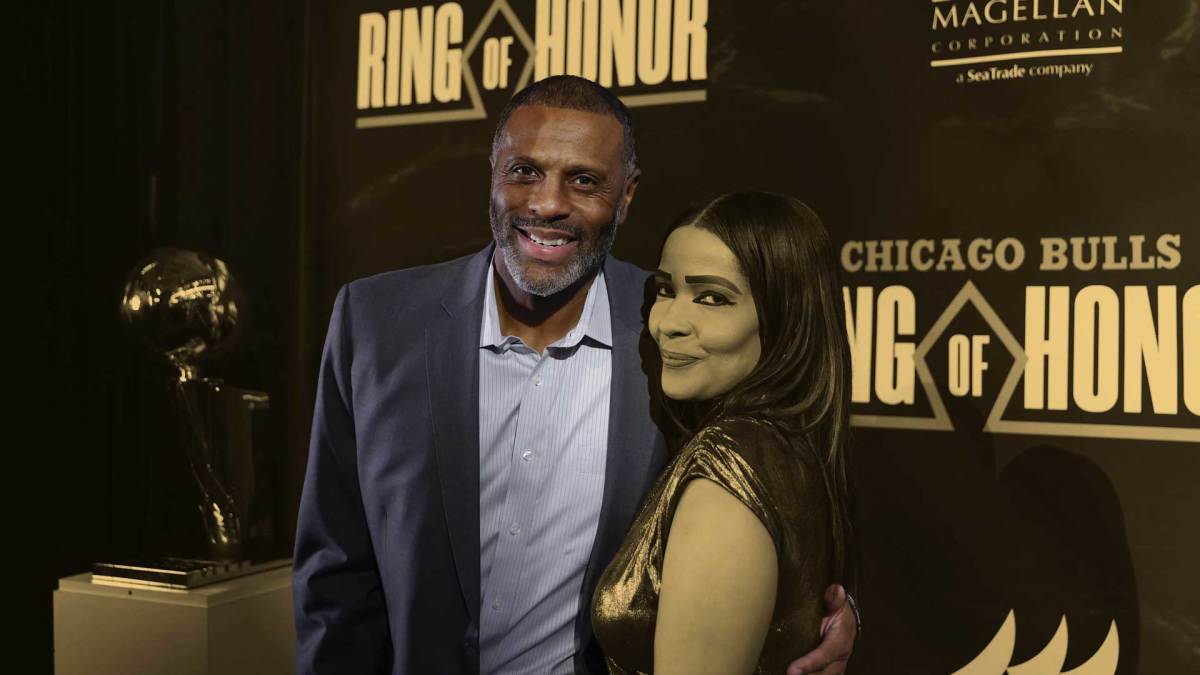
Randy Brown spent 12 years in the league, playing for four different franchises. However, he unquestionably left his biggest mark with the Chicago Bulls, with whom he became a three-time consecutive NBA champion during the 1990s. Drafted by the Sacramento Kings, he also suited up for the Boston Celtics and Phoenix Suns.
During his career, Brown was known for his defensive abilities and often guarded the opposing team’s best players during the minutes he spent on the floor. Over the course of his playing days, he earned around $15 million, which was a significant sum for someone from that era who was far from a headline star.
Advertisement
However, after his career ended, he ventured into business, investing his money in restaurants and real estate. While there is nothing wrong with a player continuing to invest in interesting business projects after retirement, rather than living extravagantly, Brown unfortunately experienced the harsh side of this world firsthand.
“It was humbling,” Brown said of going bankrupt. “When I retired from basketball, I became my own business person with all these people I thought were my friends. What set me back was when I signed my name to a bunch of stuff that I shouldn’t have.”
Chicago gave him an opportunity when he needed it the most
The series of unfortunate events happened in the late 2000s, when he was working as an assistant coach with the Kings, who soon parted ways with Brown after a key event. At that harsh moment, the Bulls stepped in, first offering him a position as director of player development and later promoting him to assistant general manager.
Advertisement
A man who once seemed set for life after his NBA career received help at the darkest moment of his life from the franchise he had given five years to, one he never left, even after the championship core was dismantled. In return, he received the greatest possible gift – a sincere opportunity when he needed it most.
For someone coming from the world of professional sports, where 90 percent of life is organized and an entire staff ensures everything runs smoothly, he suddenly found himself facing major life decisions on his own. He trusted people he believed were close to him, only to realize they were there solely for their own gain and opportunity.
Brown left the Bulls in 2018
Brown learned the hard way how today’s world unfortunately works, but he was given a second chance. Still, his time with the Bulls did not last long, only until 2018, when the arrival of Jim Boylen as head coach led to disagreements after the newly appointed coach offered him a reduced role on the staff.
Advertisement
Brown learned the hard way how today’s world often works, but he was granted a second chance. Even so, his stint with the Bulls was short-lived, ending in 2018 after Jim Boylen’s arrival as head coach led to disagreements, following an offer of a reduced role on the staff.
Brown’s life lesson can serve as a valuable guide for many athletes who struggle with life after their careers and with deciding what to do with their money. Because, while it may seem like a cliché, there will always be someone who views you as an opportunity, which is why caution and awareness are essential.
This story was originally published by Basketball Network on Jan 17, 2026, where it first appeared in the Off The Court section. Add Basketball Network as a Preferred Source by clicking here.