
News Desk
Last Updated: 16 January 2026, 05:19 PM IST
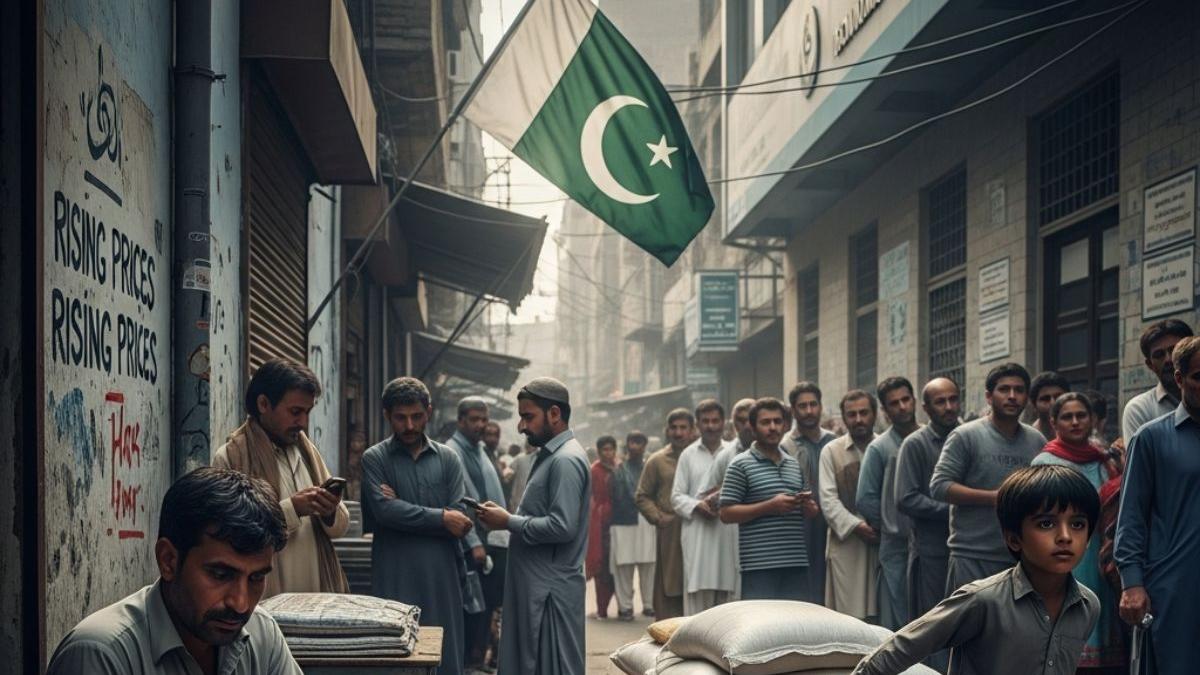
Pakistan`s economy suffers severe crisis, with blame mounting on IMF policies for rising costs, poverty, and industrial decline. Click to learn about the economic fallout.
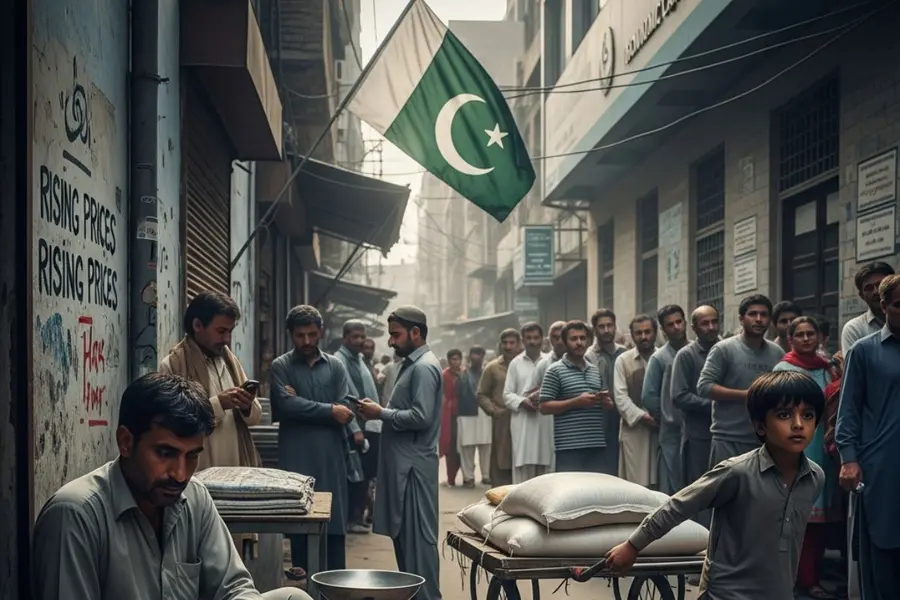 AI image
Pakistan’s deepening economic crisis has once again brought its long and uneasy relationship with the International Monetary Fund (IMF) into sharp focus. While the cash-strapped country continues to rely on IMF bailout packages to avoid default, criticism of the lender is growing louder across Pakistan’s political and media landscape.
Even as the government seeks fresh IMF funding to stabilise foreign reserves and manage soaring debt, former ministers and economic commentators are openly blaming IMF-mandated policies for worsening the country’s financial health and social distress.
Media blames IMF reforms for rising costs, poverty and de-industrialisation
In a strongly worded article published by The News International, Pakistan’s longest engagement with the IMF was described as a cycle of “systematic destruction”. The article argued that policies implemented under IMF programmes—such as steep energy price hikes, aggressive tax measures and fiscal tightening—have severely hurt industrial growth, raised the cost of living and deepened poverty.
According to the analysis, Pakistan’s development strategy should have focused on education, science, technology and innovation to transition from a low-value, resource-dependent economy to a technology-driven knowledge economy. Instead, the country now faces what the article called an “existential threat”.
It highlighted the deterioration of schools and universities, a sharp rise in poverty, declining exports and the growing brain drain, with skilled youth and industrial groups leaving the country in large numbers. Pakistan’s exports, the article noted, have slipped to around $30 billion, down from a peak of $35 billion, reflecting weakening global competitiveness.
Industrial shutdowns, job losses and foreign companies exit Pakistan
Pakistan’s industrial sector has been among the hardest hit. Over the past five years, hundreds of manufacturing units have reportedly shut down due to high energy costs, heavy taxation and policy uncertainty. Business groups estimate that more than half of factories in major industrial zones have ceased operations.
The situation is particularly grim in Khyber Pakhtunkhwa, where nearly 800 industrial units are said to have closed over six years, many in the past half-decade. The textile industry, long considered Pakistan’s export backbone, has suffered extensive damage, with at least 144 textile mills shutting down nationwide and tens of thousands of jobs lost.
Adding to the economic anxiety is the steady exit of multinational companies. Global firms such as Microsoft are reportedly winding up operations in Pakistan after decades, while others—including Careem, Shell, Telenor and Procter & Gamble—are scaling back or pulling out entirely. Analysts attribute these moves to currency instability, high inflation, regulatory unpredictability and declining investor confidence.
Together, these trends point to a worsening investment climate, raising concerns about Pakistan’s ability to revive growth while remaining dependent on IMF support.
Published: 16 Jan 2026, 05:19 pm IST
Subscribe to our NewsletterGet Latest Mathrubhumi Updates in EnglishFollow
Disclaimer: Kindly avoid objectionable, derogatory, unlawful and lewd comments, while responding to reports. Such comments are punishable under cyber laws. Please keep away from personal attacks. The opinions expressed here are the personal opinions of readers and not that of Mathrubhumi.