
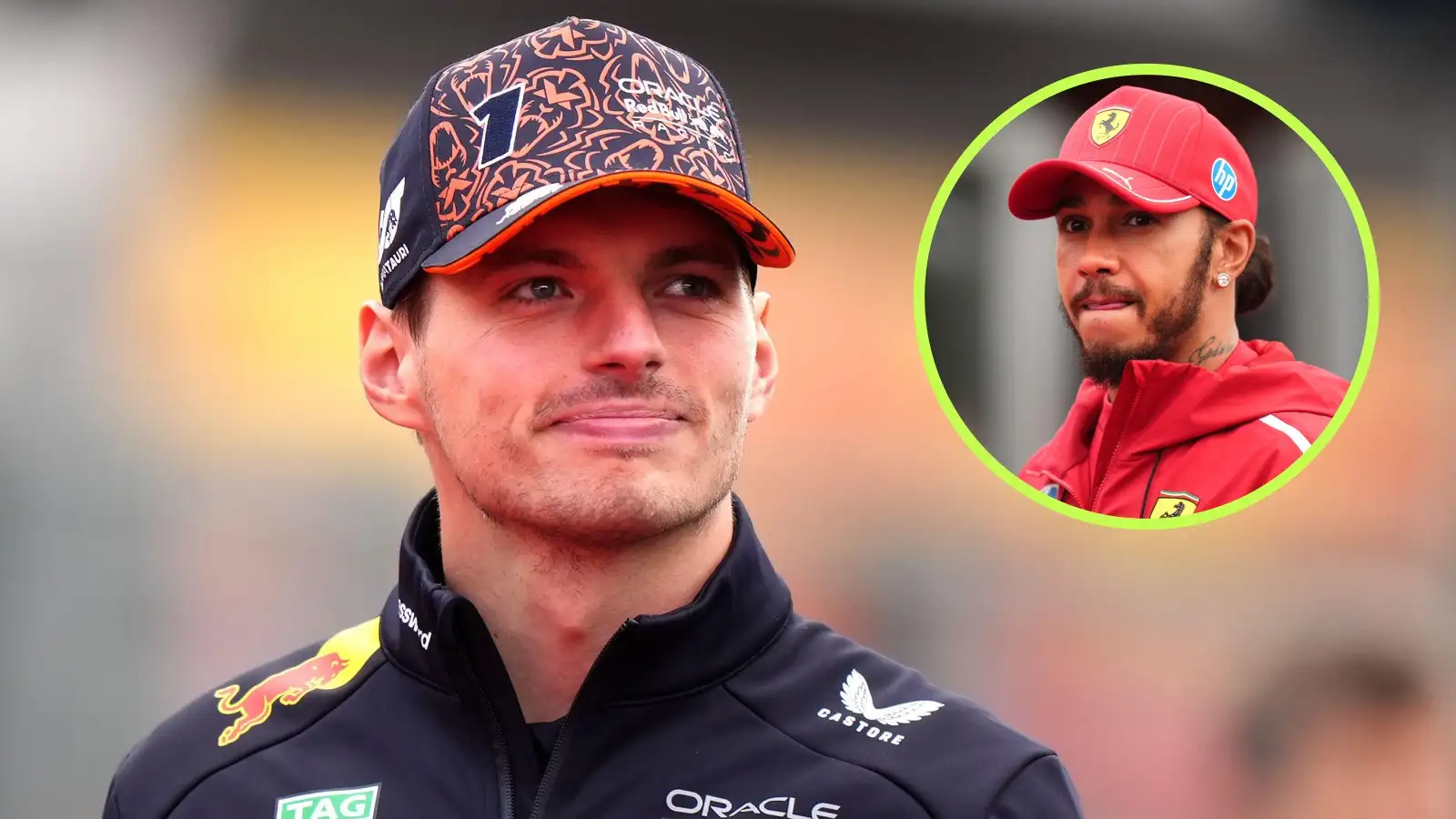
Despite being statistically the best driver in F1’s ground-effect era, with 51 of 92 grand prix wins, Johnny Herbert has warned Max Verstappen that it doesn’t mean he’ll be the one to beat in Formula 1’s new technical era.
The F1 2026 season heralds the arrival of a brand-new set of technical regulations as Formula 1 not only embraces all-new cars, but also a new engine formula.
F1 is stepping into the unknown with all-new cars and engines
Want more PlanetF1.com coverage? Add us as a preferred source on Google to your favourites list for news you can trust
The cars, which are 20 centimetres shorter than the 2025 edition and 30kgs lighter, will incorporate active aerodynamics for the first time, while the Formula 1’s engine regulations are also changing.
The new power units will run on sustainable fuel with an increase in electrification to a 50/50 split with the internal combustion engine.
DRS [Drag Reduction System] has been dropped in favour of ‘overtake’ mode, which gives a car running one second behind a power boost to overtake the car ahead, while ‘boost’ can be used at any time for a power boost.
F1 2026: Formula 1’s season of change
F1 2026 uncovered: Next-gen cars, new tyres, and design decisions
MOM is out and Boost Mode in as key F1 2026 terms defined
Formula 1 is stepping into the unknown.
No one knows which team will design the best car, nor which engine manufacturer will come out on top with the new regulations.
But there’s also a third area of uncertainty: the driver.
While some will shine in the new era, others could falter such as Lewis Hamilton discovered when Formula 1 introduced ground-effect aerodynamic cars in 2022.
The then-Mercedes driver went from winning titles to struggling to even win races, claiming just two in his last three seasons with Mercedes before moving to Ferrari. But even that move didn’t play out as he had hoped, as his troubles continued with the Briton recording his first-ever season without a single podium finish.
Former F1 race driver and steward Herbert has warned Verstappen could face a same fate.
“There is always a chance that you don’t quite fit a new car,” Herbert told a gambling platform.
“Max Verstappen is only human. Yes, he’s the best on the grid at this current time, but it doesn’t always mean he’s the fastest on the race track.
“That’s down to the performance of the car, or if you don’t fit the car.
“Like with Lewis Hamilton, he didn’t fit his car and lost his speed.”
“There is a chance that new regulations could favour a certain type of driver,” he continued.
“Lando Norris could benefit from the new car and grow even more as a driver, similar to Max after 2021.
“There’s always a chance of a driver maturing and becoming more complete if a new car suits their style.”
Formula 1’s new regulatory set, which has a huge focus on energy management, is set to favour the drivers who, as Mercedes team principal Toto Wolff put it, can find an “intelligent way of managing the energy” as the cars will be completely different to drive to last year’s machinery.
That, several pundits have claimed, could favour Verstappen and also Hamilton.
“Can I see the new regulations not benefiting Max? Yes,” Herbert continued, “because there is a human element to Formula One, there are inconsistencies, and the best drivers try to reduce those inconsistencies.
“The likes of Max, Lewis and Lando will have to adapt this year, and external influences can affect the championship.”
Want to be the first to know exclusive information from the F1 paddock? Join our broadcast channel on WhatsApp to get the scoop on the latest developments from our team of accredited journalists.
You can also subscribe to the PlanetF1 YouTube channel for exclusive features, hear from our paddock journalists with stories from the heart of Formula 1 and much more!
Read next: F1 2026 uncovered: How Boost, Overtake, and sustainable fuel change the game