
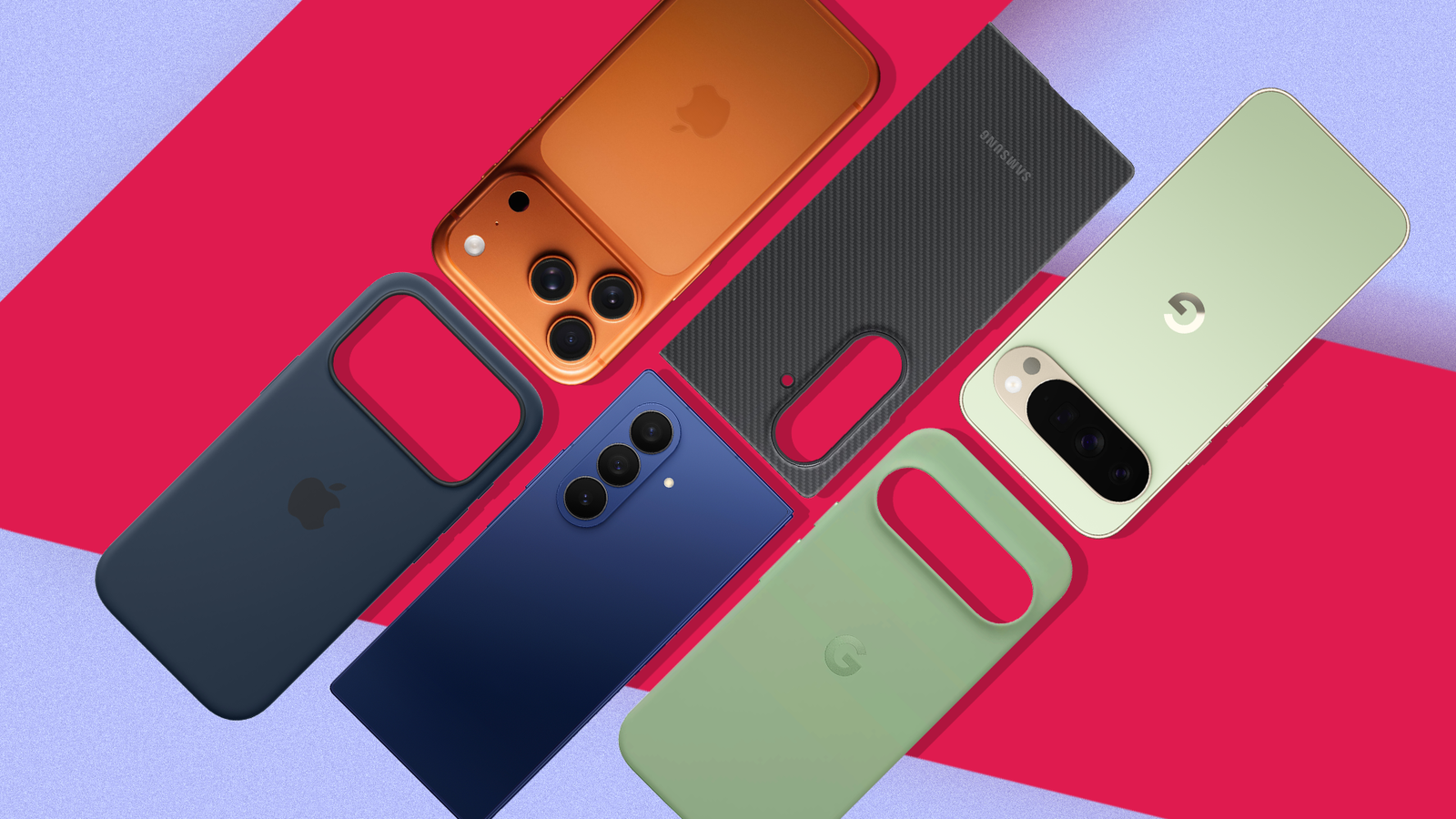
I stood in the Apple Store watching a scene I know by heart. A man had just been handed a brand-new iPhone.
For 30 seconds, it felt special. Ceramic Shield, Grade 5 titanium, something closer to jewelry than a flagship phone.
Then, before the phone was even powered on, he reached into another bag, pulled out a clear TPU case, and sealed the whole thing in plastic.
In 30 seconds, the premium materials he paid for had gone.
This is a collective delusion. We are told glass is the only material worthy of a flagship phone.
So why do we buy plastic cases to protect ourselves from a design decision that shouldn’t exist in the first place?
Related
My phone is a glass sandwich – I can’t do without the protection
Looks like I’m buying more accessories
The industry profits from fragile phone designs
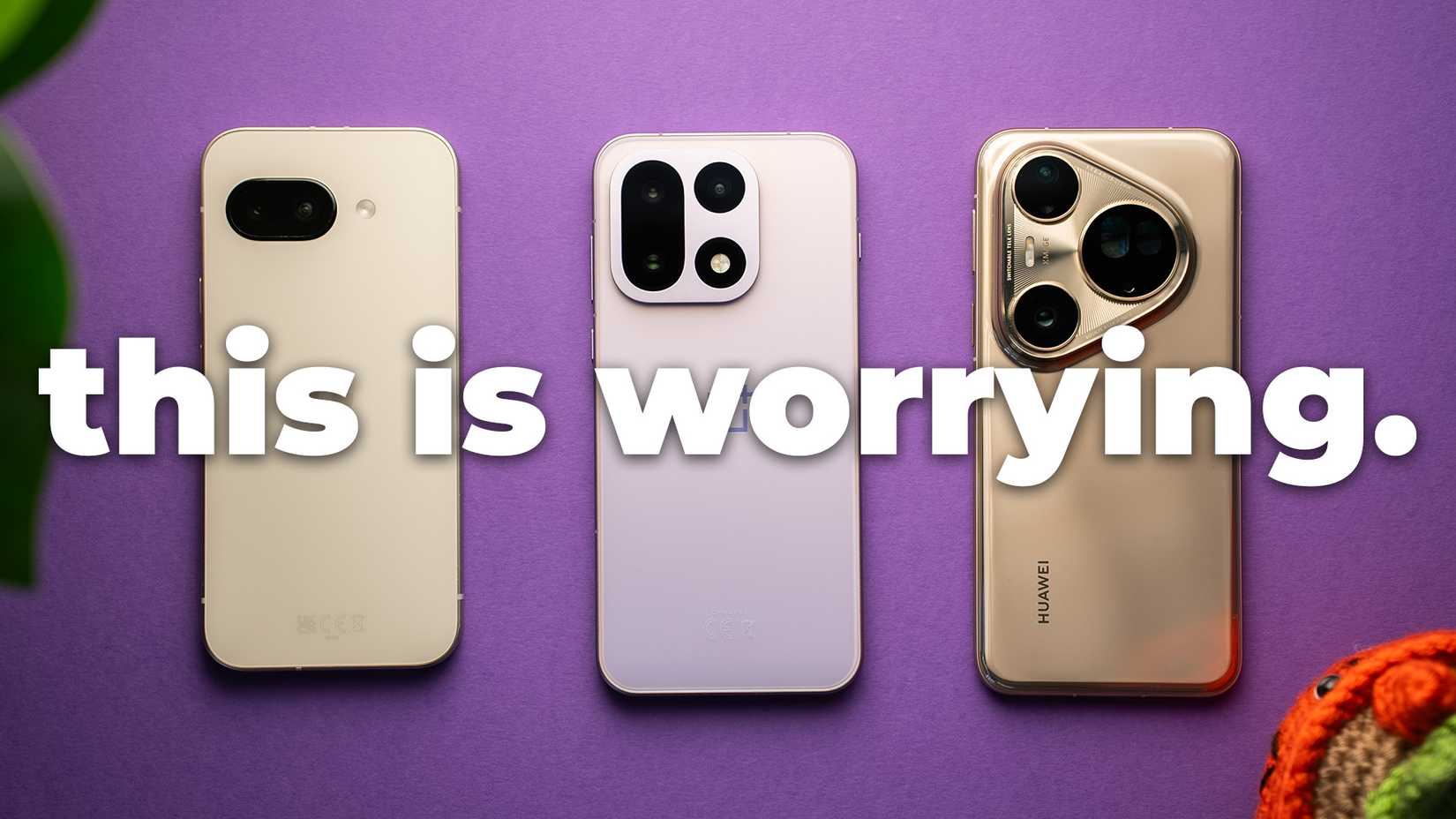
When Apple moved the iPhone 15 Pro Max to titanium, it reportedly added $7 per unit. On a $1,200 retail price, that is a rounding error.
However, that $7 investment allows them to market the phone as aerospace-grade, which also justifies a higher markup.
Glass works the same way. It’s a signal material that creates a whole secondary economy around protection.
We buy AppleCare+, Samsung Care+, and phone cases because we know one bad drop comes with a serious repair bill. This way, the house always wins.
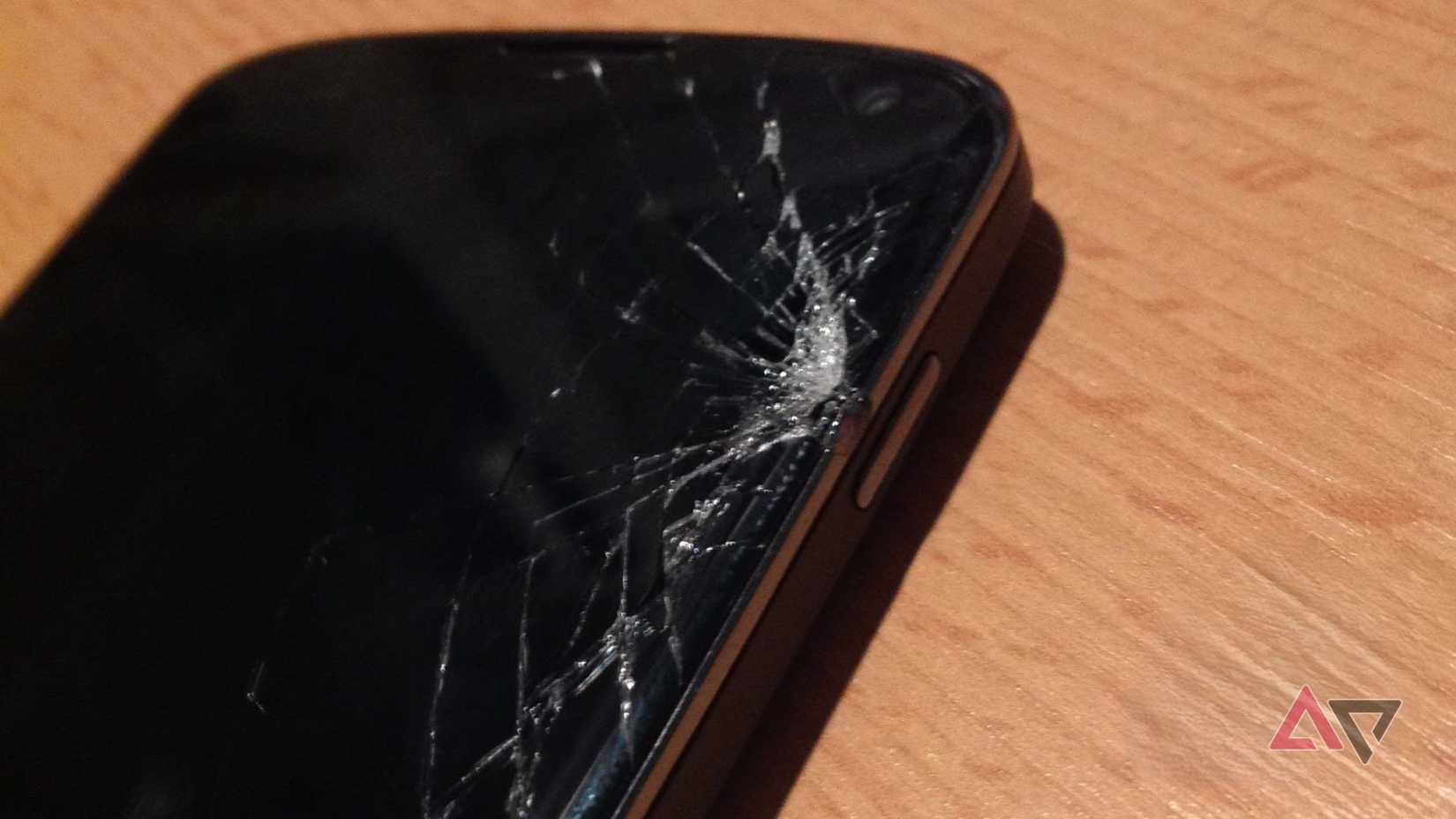
Glass is brittle, plain and simple. Ceramic Shield and Gorilla Glass Armor are big improvements, but they can’t beat the laws of physics.
Now, I’m not saying there’s a secret cabal of engineers sitting in a dark room plotting to break your phone. But the industry has zero incentive to move away from glass.
The truth about premium plastics in phones
There is a material the industry avoids because it works too well.
Polycarbonate isn’t the plastic used in milk jugs. It’s a high-performance thermoplastic polymer and a breakthrough in material science, and tougher than glass.
Cheap plastic feels cheap because it’s thin and hollow. Premium polymer is dense and structurally reinforced.
The issue isn’t the material. It’s the fact that manufacturers use it for their budget phones, intentionally making them feel hollow to upsell the glass ones.
The Nokia Lumia series is still the gold standard. These phones avoided the creaky feel of cheap plastics by using thick unibody construction.
Similarly, the HTC One X in 2012 picked polycarbonate over metal to stay light and still feel premium with a matte finish. Now, whenever I bring it up, people retreat to four arguments.
Plastic scratches too easily to be premium
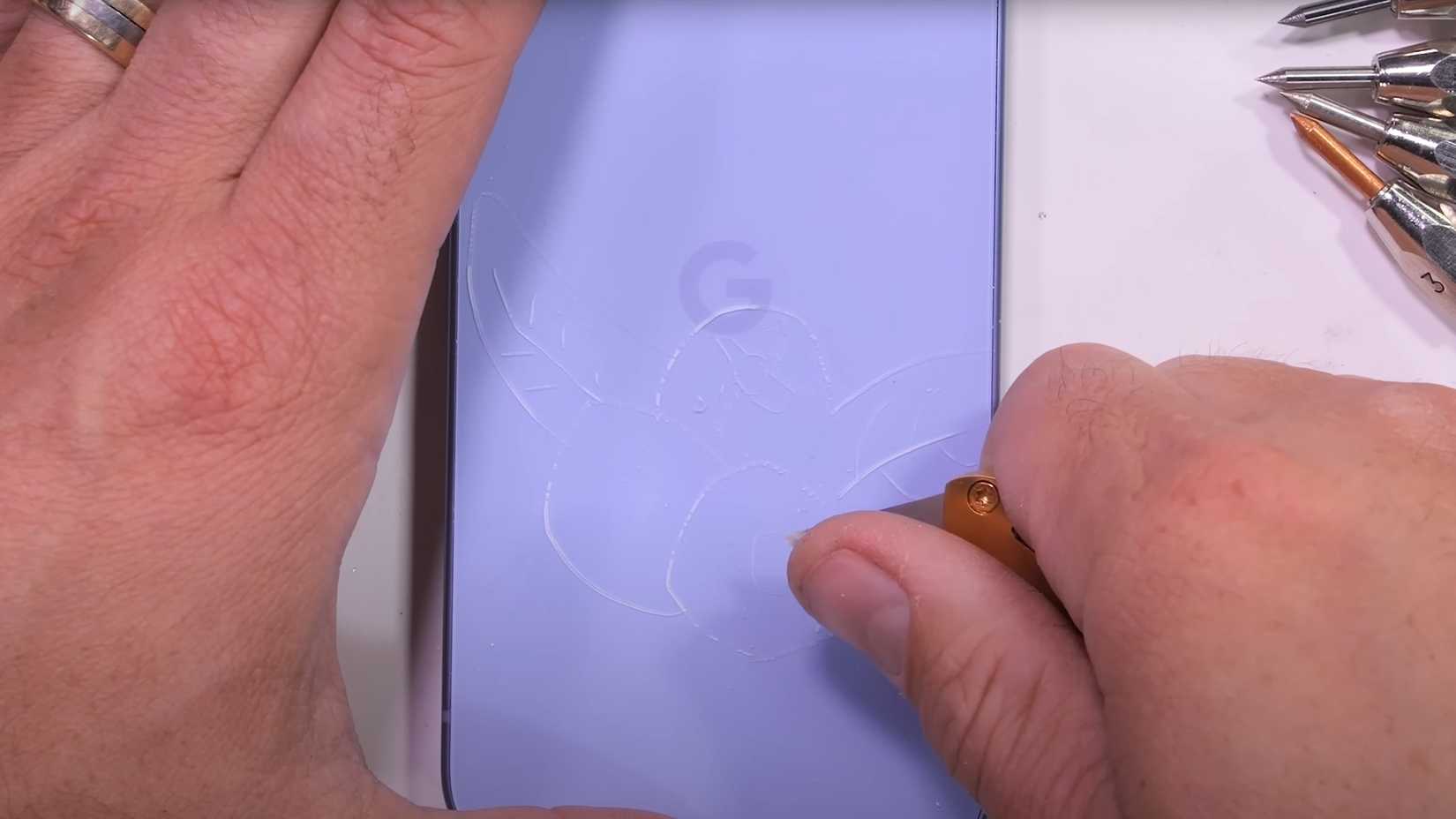
Credit: JerryRigEverything / YouTube
The industry argues that plastic scratches too easily. That’s partially true. Glass is much harder — Mohs 6 or 7 — while plastic is around a 2 or 3.
But we have solutions. We have hard coatings — like the ones used on professional camera lenses and automotive interiors — that make polycarbonate incredibly scratch-resistant.
Wireless charging only works through glass backs
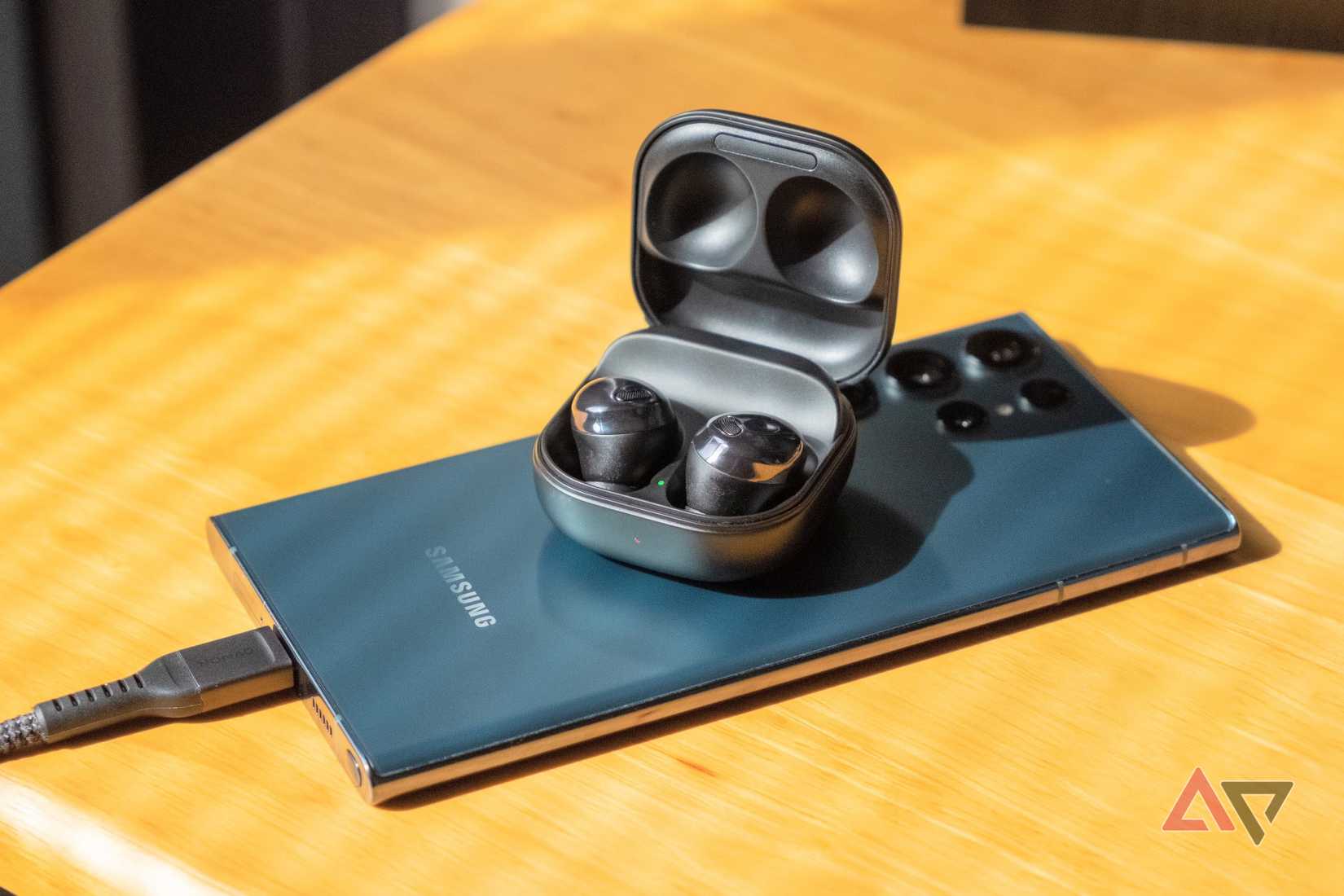
Polycarbonate and glass behave almost the same way with magnetic waves passing through them.
Many of the best wireless charging pads are made of plastic. They wouldn’t work if plastic were a barrier.
Glass is better only because it can tolerate higher temperatures when the charging coil heats up.
Still, if your phone’s charging system is causing enough heat to melt high-grade polycarbonate, you have bigger problems than your back panel.
5G signals need glass for proper transmission
Credit: Lucas Gouveia / Android Police
The industry claims that 5G signals — especially the high-frequency mmWave bands — need glass to pass through the phone without attenuation.
Again, this is a half-truth.
What 5G signals struggle with is metal. But they have no problem with plastic. Most of the antenna windows on metal-framed phones are made of plastic.
Glass backs keep phones cooler than plastic
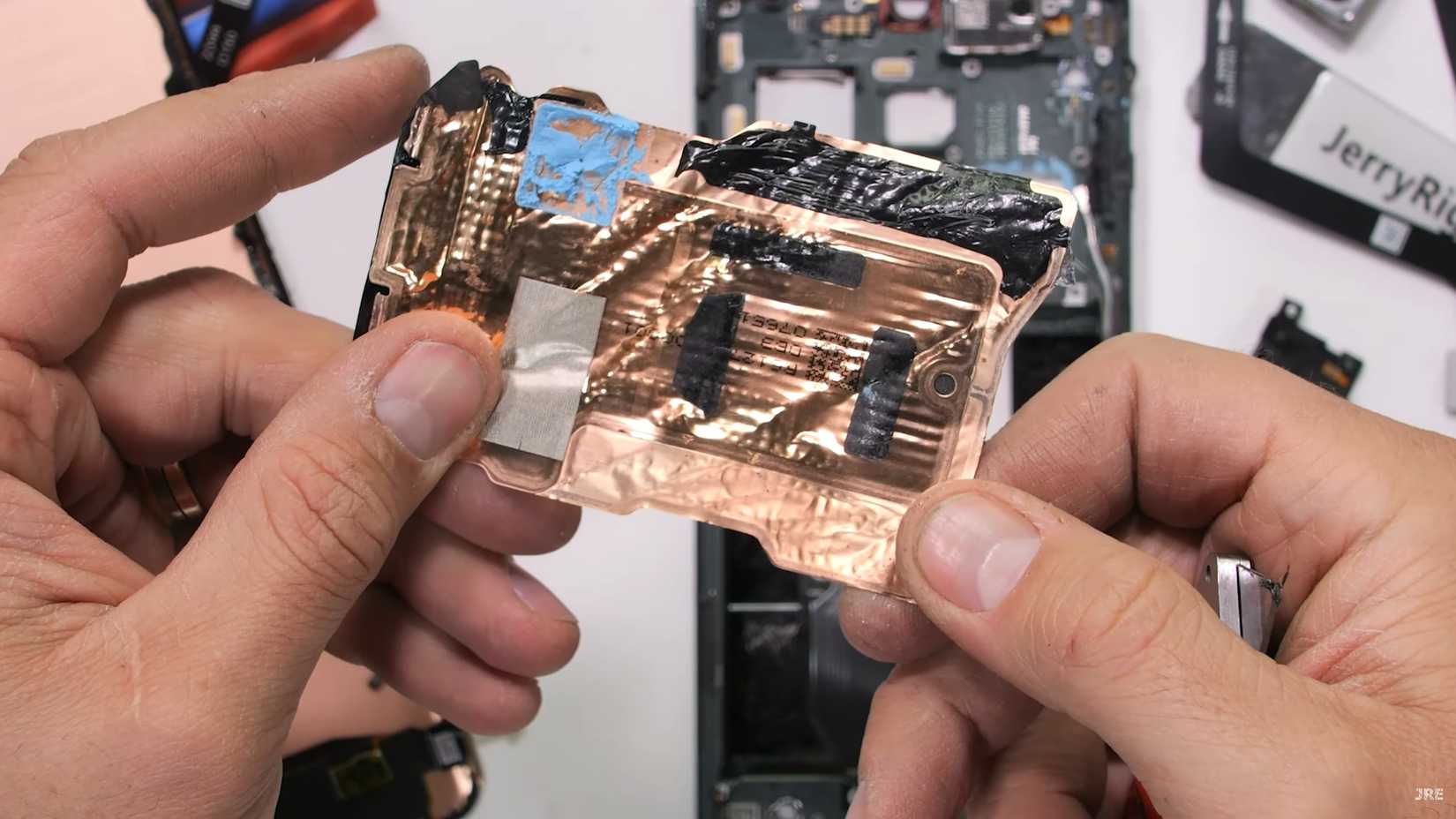
Credit: JerryRigEverything / YouTube
The final boss of excuses is thermal conductivity. Heat is the enemy of performance. If your processor gets too hot, it slows down (throttles).
Looking at physics, glass scores 0.8 for heat conduction, which is better than plastic’s 0.22, but both are near insulators compared to metal at 205.
The real heat dissipation in modern smartphones comes from graphite pads, vapor chambers, and the metal frame.
Glass isn’t doing any heavy lifting here. It simply feels cold and tricks the brain into thinking the device is cooling down.
I find it ironic that the very people who make this argument are the first to put their phone in a plastic case.
Redefining what makes a phone premium
We need a new definition of premium. We need to stop pretending premium means looks and start expecting it to mean durability. If we keep buying glass, they will keep selling it.
I want to hold my phone without a death grip. I want it to stand on its own without a plastic exoskeleton. I want more phones like the Motorola ThinkPhone.
A device made of carbon fiber or high-rigidity polymers that feels incredible, weighs nothing, and is fundamentally unbreakable.