
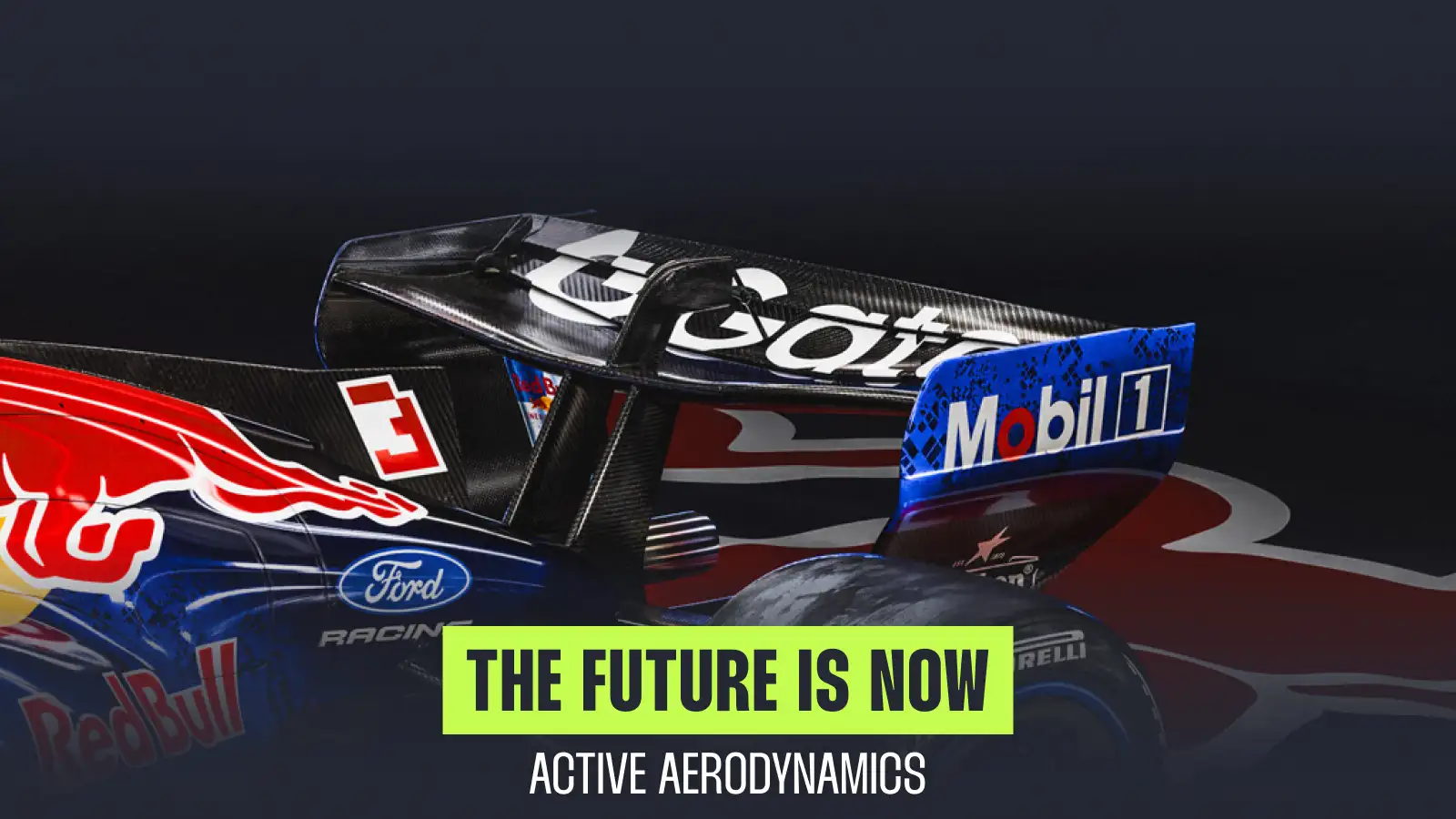
Formula 1’s flirtation with ‘Ground Effect’ is over once more, replaced by ‘Active Aero’ and the potential for it to revolutionise the way drivers go racing.
The flat bottom floor and rear diffuser section returns for 2026 and, whilst the teams all have previous experience with regulations shaped around their implementation, there’s clearly a number of new criteria that they’ll have to face when designing these new cars too.
Moving target
Want more PlanetF1.com coverage? Add us as a preferred source on Google to your favourites list for news you can trust
The F1 2026 regulations have been shaped in a way that helps mitigate some of the decisions taken with the design of the power unit, whilst also trying to tackle one of Formula 1’s biggest enemies: wake turbulence.
The most visceral of these changes will be the introduction of ‘Active Aero’, where both the front and rear wing have movable elements that help to reduce drag on the designated straights, as the elements are flattened out, before returning to their usual state for cornering where they’ll help to balance the car and increase the downforce being generated.
This is a visual that Formula 1 fans have become accustomed to at the rear of the car, owing to DRS being employed by the sport since 2011 and acting as a means to aid overtaking. But, it might seem a little odd to see the front wing reclining in a similar manner at the start of 2026, even if it’s not the first time we’ve had movable front wing solutions in F1.
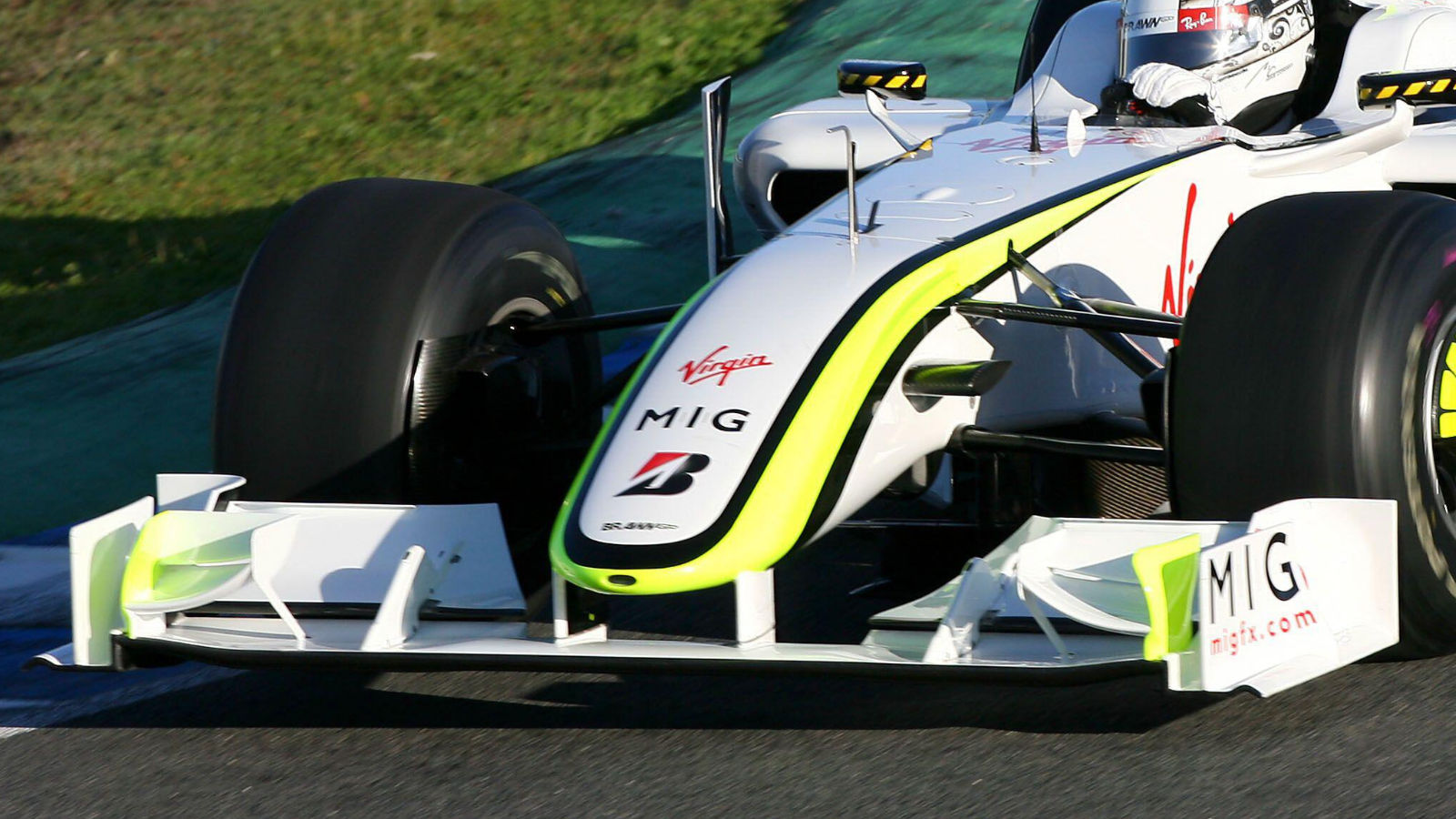
As seen here, on one of the most recognisable cars of that generation, Formula 1 dabbled with moveable front wing flaps as part of the regulation overhaul in 2009, in order to help drivers balance the car as they followed in the wake of the car ahead, with the flaps able to be moved by the driver twice per lap.
The solution didn’t really help matters and it was quietly shelved after just two seasons, with DRS taking its place as the only driver controlled aero device on the car.
The pod-style solution we can see on the Brawn BGP001, above, is similar to what we’ve already seen on the Racing Bull’s render, whilst sister team, Red Bull, opted for a single pod and actuator beneath the nose on its render.
Front to back
In this iteration, ‘Active Aero’ comes as a pair, with both the front and rear wings used to reduce drag on the designated straights and return to normal operation elsewhere.
This comes in tandem with an overhaul to overall design. The front wing will have just three elements across its span, rather than the four used with the previous generation of cars, with the upper two from this arrangement movable. Each team will tailor its design according to how much of the flap(s) it want to flatten on the straights.
Meanwhile, the rear wing can also be made up of three sections, rather than two, but the allowable box region for which those elements can reside is considerably smaller than before.
This will obviously put a premium on the design of the elements, with designers looking for ways to increase downforce for cornering performance, whilst being able to dump the associated drag that comes with on the designated straights.
In part four of the series we’ll take a look at how teams might use their past experience to leverage the suspension to make aerodynamic gains with these regulations that might otherwise be left on the table.
Want to be the first to know exclusive information from the F1 paddock? Join our broadcast channel on WhatsApp to get the scoop on the latest developments from our team of accredited journalists.
You can also subscribe to the PlanetF1 YouTube channel for exclusive features, hear from our paddock journalists with stories from the heart of Formula 1 and much more!
Read next: Racing Bulls set for two-day Imola shakedown of new F1 2026 car