
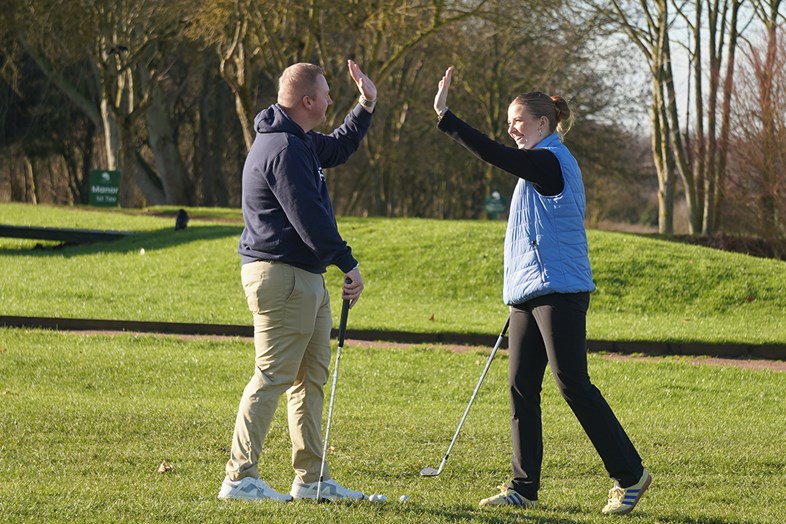
From coaching to club management and even becoming a world-traveller, The PGA has something to offer everyone who wants a career in golf in 2026
For the last dozen years of playing and working in golf, I’ve been in the almost-daily company of PGA professionals. It’s often the natural way when the golfers you’re surrounded by are younger, low-handicap players, many of them having grown up with aspirations of fending off Tiger Woods or Rory McIlroy in the pursuit of Major glory.
The reality of that dream, for the vast majority, is that it isn’t going to come to fruition. That’s not to say that skilled juniors shouldn’t strive for that goal, but we all understand how difficult achieving something of that scale can be – there’s more than 100 million golfers on the planet, after all; bettering all of them isn’t going to be easy.
For those of us that couldn’t reach those playing heights, but still were in love with the game, The PGA was often considered the next best thing, giving us an alternative aim to aspire towards.
The restrictions on chasing your golf career back in the day, however, were not-insignificant, even just to begin the journey.
The infamous playability tests were often the most stress-inducing part of your application, with seemingly highly competent golfers falling at the first hurdle.
While certain standards of play obviously make sense, I’ve known more than a few genuinely good golfers crash out of the game.
Despite their passion and knowledge, one too many failed attempts at the yearly entrance exam meant the reality of a non-golfing job – and the game only ever being a hobby – was enough to make them walk away completely.
Thankfully, however, The PGA have recognised that there’s more to working in golf than just being a good player, with welcome changes in criteria and increased ongoing support opening a world of options up to those interested in making golf their career. Here’s why those changes have made 2026 the best year yet to become a PGA professional.
 Starting your journey
“PGA Professionals influence how the game is played, coached, promoted, and managed. They are the past, present, and future of golf, enjoying careers all over the world in a wide variety of rewarding roles.” Dr Paul Wiseman, PGA Executive Director of Education
Built in collaboration with the University of Birmingham, the 8th ranked university worldwide for education in sports science, alongside the University of the Highlands and Islands for trainees based in Scotland, the PGA Training Programme is considered by many to be the most respected golf qualification available.
One of the major aspects that has led to The PGA holding this esteemed position around the globe is the commitment they’ve expressed to the continuous development and modernising of the course syllabi.
Gone are the days of this being a ‘coaching only’ course, with expansions into Business Finance and Management, Applied Sports Science, Retailing, and even Brand Image, providing trainees with the complete set of skills required by a modern-day pro.
The PGA have made great efforts to make this more accessible than ever before, with the bar on handicap having been raised to 6.4 or better (for men, 8.4 or better for women), and potentially higher for students with a disability: a WR4GD player pass enabling them to join at an appropriate skill level in their category.
The traditional, terrifying playability test is now also a thing of the past, replaced with a fairer, long-term case-by-case assessment of your playing history from the last 12 months, as well as current handicap certificate and supporting letter or email from their PGA professional or club official – far kinder on those stress levels!
And, for players still looking to turn their on-course talents into an income, there’s also the option of the Tournament Trainee Pathway, which allows for those that have already turned professional to complete their PGA degree while continuing to play on tour, working towards the qualification without a required minimum amount of hours.
Alongside providing prospective teaching professionals with the necessary expertise, there’s also developmental courses for golfers looking beyond just the traditional pathway, with Applied Golf Management Studies having no handicap limit for entry and offers typically available with three A-Levels of an ABB standard, or equivalent.
 Course guide
You can find a full breakdown of the courses on offer through The PGA’s website, both for the new trainee as well as PGA members that wish to complete further education top-up studies for a full degree or honours, but we have a brief overview to your options below, as per the association:
FdSc – BSc (Hons) Foundation Degree in Professional Golf Studies – 3 Years
(Tournament Trainee Eligible)
This three-year course is a core element of The PGA Training Programme with a strong focus on golf coaching and sport science and is delivered in collaboration with the University of Birmingham, boasting one of the most respected sport science departments in Europe.
Students will also develop key industry skills including junior development, equipment technology, custom fitting, principles of business administration and finance.
BSc (Hons) Applied Golf Management Studies – 3 Years
The Applied Golf Management Studies (BSc) programme allows you to combine a high-level applied theoretical degree with membership of the PGA (subject to status and application) as a PGA Professional, PGA Coach or PGA Manager. The degree is taught in collaboration with the University of Birmingham and at The PGA National Training Academy at The Belfry.
Across all three years of the degree, you cover modules in the areas of business management, applied sports science, equipment technology and coaching theory delivered by specialist staff from both the University and The PGA. You also complete three PGA-assessed vocational placements in a golf environment.
DipHE – BA, BA (Hons) in Professional Golf Studies – 3 Years
(Tournament Trainee Eligible)
The Diploma in Higher Education in Professional Golf, unique in Scotland, is delivered in partnership with the University of the Highlands and Islands.
The 3-year, structured part-time Diploma in Higher Education is aimed at those currently employed, or seeking employment, as PGA trainees working full-time at golf facilities across Scotland with graduates gaining membership of The PGA on completion of the course (subject to application).
 Top-up courses
Since 2021, PGA Members who have successfully completed the Foundation Degree or DipHE qualifications have had the opportunity to work towards a full degree or honours degree.
BSc (Hons) – Professional Golf Studies – 2 Years
The BSc course, jointly delivered by The PGA with the University of Birmingham is available to those who have completed the Foundation Degree and who averaged 50% or more. Competition for places may mean those with higher FdSc marks will be prioritised for entry.
BA (Hons) – Professional Golf Course – 2 Years
The BA Professional Golf course, delivered the University of the Highlands and Islands (UHI) on behalf of The PGA, is available to any PGA Member, or PGA Members who have completed the DipHE course.
So the array of courses available through The PGA is fantastic and, as we’ve hopefully made clear, will provide you with the framework to succeed, but why should you choose a career in golf beyond just your love of the game?
 Coaching
Once you’ve completed your studies and have become a member of The PGA, you might wonder what your next steps can be?
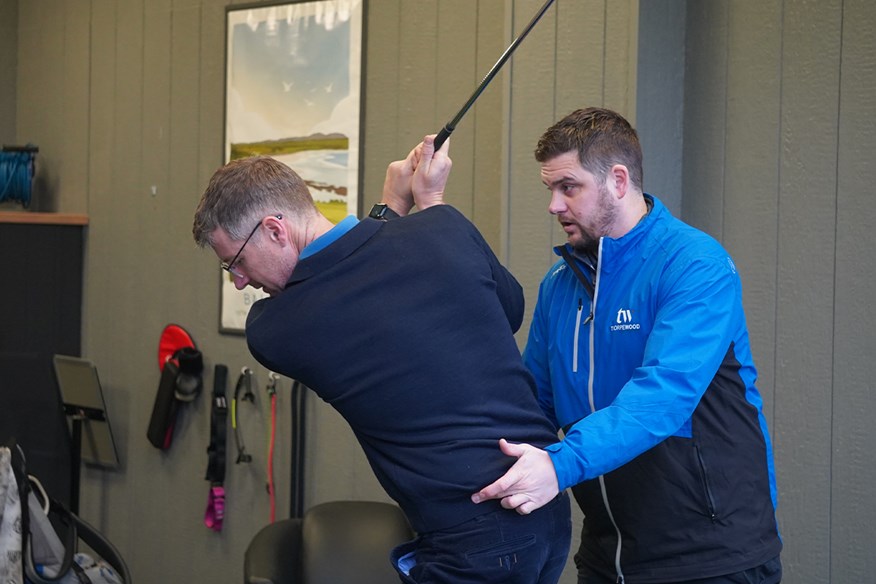
The obvious route is to truly begin your independent coaching career, although it can seem a scary prospect to venture out on your own after spending three years with the assistance of your PGA coaching mentor or course lecturers to guide you.
But just because you’ve left your full-time studies behind, it doesn’t mean The PGA isn’t still available to support you.
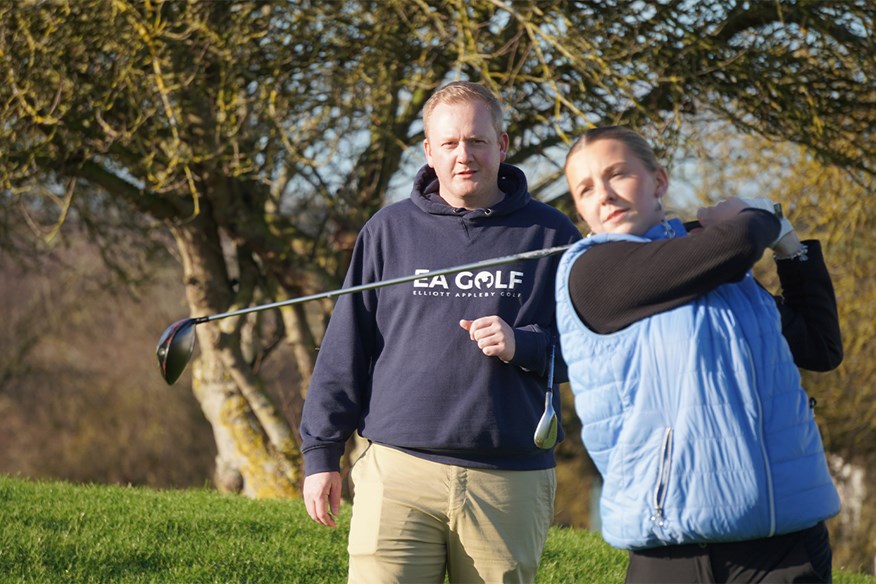
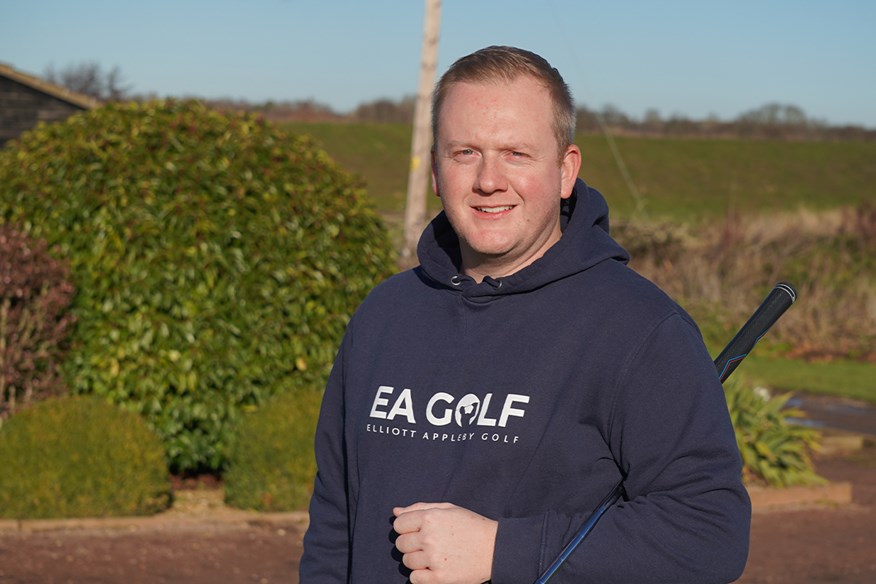
Elliott Appleby, the most recently graduated member that I spoke to having graduated in 2020, credits The PGA’s support in helping his career rise.
“I knew I wanted to be a professional golfer from a young age, seeing the likes of Tiger Woods and Vijay Singh on TV while growing up, but as I got older, I realised that, while I was good, there were other golfers a lot better than me.
What I found [while still an amateur] was that I got a massive kick out of improving friends and family from what I knew of the golf swing. The satisfaction from that made me want to build on my knowledge and ability to help others play better golf, and that’s where The PGA was great.”
That drive has seen him be able to apply and develop his trade from the world-renowned golf courses at Woburn Golf Club, to retailing in golf stores, and now as the Club PGA Professional at Cainhoe Wood.
“It might seem a little old school, watching golfers on the range beating balls, but for me, I love finding new ways or solutions to get golfers enjoying their time on the course.
“Even though I’ve been qualified for six years now, I’m still able to ring [The PGA] up and get some advice; I’ve got the other members that I can talk to, as part of the community; and I can use the CPD [Continuing Professional Development] accreditation to continue my learning and progress my skills – it’s allowed me to better myself and my students, as well as increase my income from being able to offer more. I’d tell anyone who loves golf to go through The PGA route now.”
 Travel
While Elliott chose to stay at home to develop his career, The PGA’s international ties mean there are opportunities available beyond the UK’s borders for those who like to explore other places and cultures (or just stretch their legs a little more).
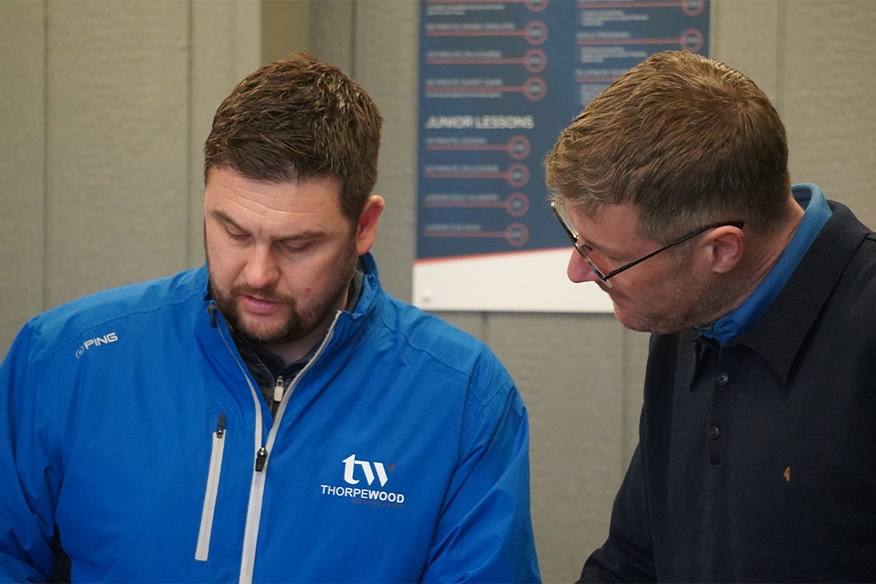
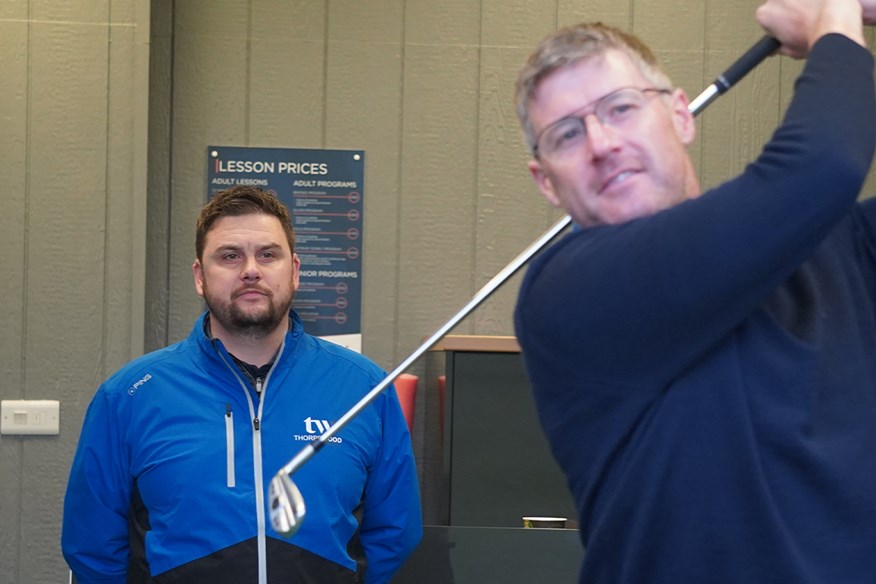
Matt Thorpe, one of the senior coaches at Thorpe Wood Golf Academy in Cambridgeshire, has been able to travel to the far side of the world and back as part of his PGA journey.
“I completed my studies within the UK, but once I became fully qualified, an opportunity came up in Australia that I couldn’t pass up, working as part of the team at the Royal Sydney Golf Club for three years.”
Being able to access such rare chances is just another aspect of how The PGA can open doors in a way that few other job paths can, but it’s far more than just a holiday or temporary stop off.
Travelling the world as a PGA member gives you access to the best coaches on the planet, as part of your continued learning and insight, which you take with you wherever you move to – and the further you develop, the more travel options you’ll be given.
“In Australia, a lot of the friends I was making were really well-established coaches, had really good reputations.” Matt says. “Being able to spend time with them, see what they do, giving me more skills in my knowledge.
“[Being a PGA member] definitely helped get me that job and opportunity over anyone else who didn’t have that, certainly.”
More than anything, Matt wants to make sure that the experiences he got, through being part of The PGA, are had by the next generation. He’s already helped encourage a former student and now qualified coach to travel out to Dubai, who’s career will be benefitted in ways otherwise not accessible.
“I would tell any aspiring coaches to get out of their comfort zone, don’t stay at the place you grew up at in you can, because there’s so many great prospects around the world, and within the UK, that can improve you as a coach and as a person.”
 Business development
One of the newer routes that The PGA is putting significant effort into developing and supporting its membership with is Club Management.
With the Applied Golf Management Studies foundational degree, and the additional top up courses like UHI’s Professional Golf Course (Hons), The PGA is delivering quality business training for the next generation of directors and owners, while helping to provide the current management-class with their own skill gaps or knowledge.
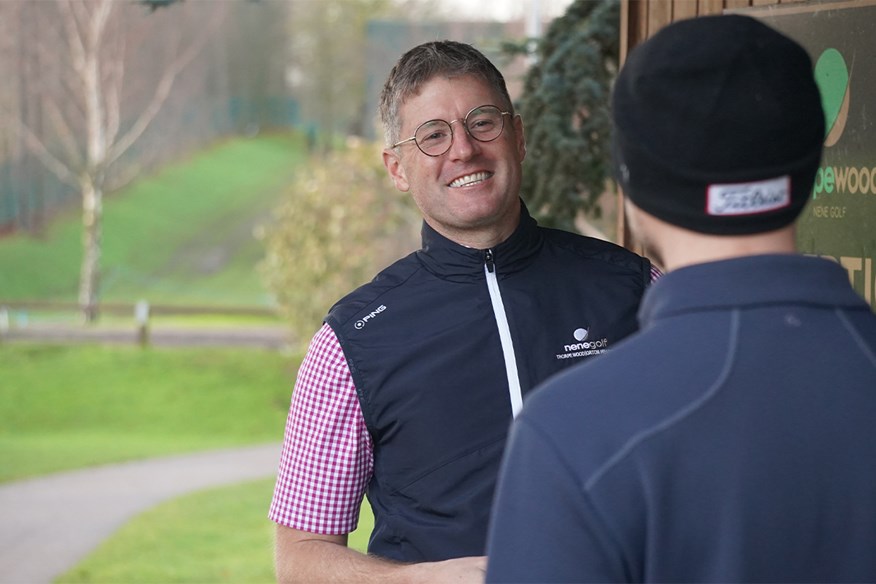
“We know The PGA is not the best known route into golf club management,” said The PGA’s Member Support Manager, Simon Fitton, “but what I see from working closely with members day-to-day is that, while PGA professionals haven’t had the formal educational pathway, often they have a breadth of knowledge that allows them to develop quickly into leadership roles.”
Indeed, there really is a ‘front foot forward’ approach coming into the way the association is handling the changing roles of PGA members, looking to both guide and learn from those already involved in management dynamics to help improve for the following generation.
“Since starting my role here, I have assessing what management best practice looks like in the golf industry, and we certainly have strong education available.” Says Simon.
“As ever, we want to support our members’ needs,” he continued “That’s why we’re adapting how we support them.
“We run Manager Masterclass Days, events hosted by PGA members themselves and led by experienced, established managers that show that real world best practice in action, not just talking in theory.
“More recently, we’ve created the Business and Management Institute, which is a hub for CPD, education, case studies, and career support: it’s being shaped by feedback from members and collaboration with industry partners, so it stays relevant and practical.”
And if you want an example of someone being able to put all of this into practice, you can look no further than Simon himself, who’s actions and team running Nene Park Golf are one the best current examples of effective golf club management in the country.
 How do I get started?
You can get in touch with The PGA team directly through their website, as well as looking at online and in-person open days to explore more about the best option for you, along with discovering more success stories and details on the courses.
The PGA’s Membership has always been a prestigious club to join, but now, with all the ways that they can develop you in your golfing career, 2026 has never been a better time to join.