
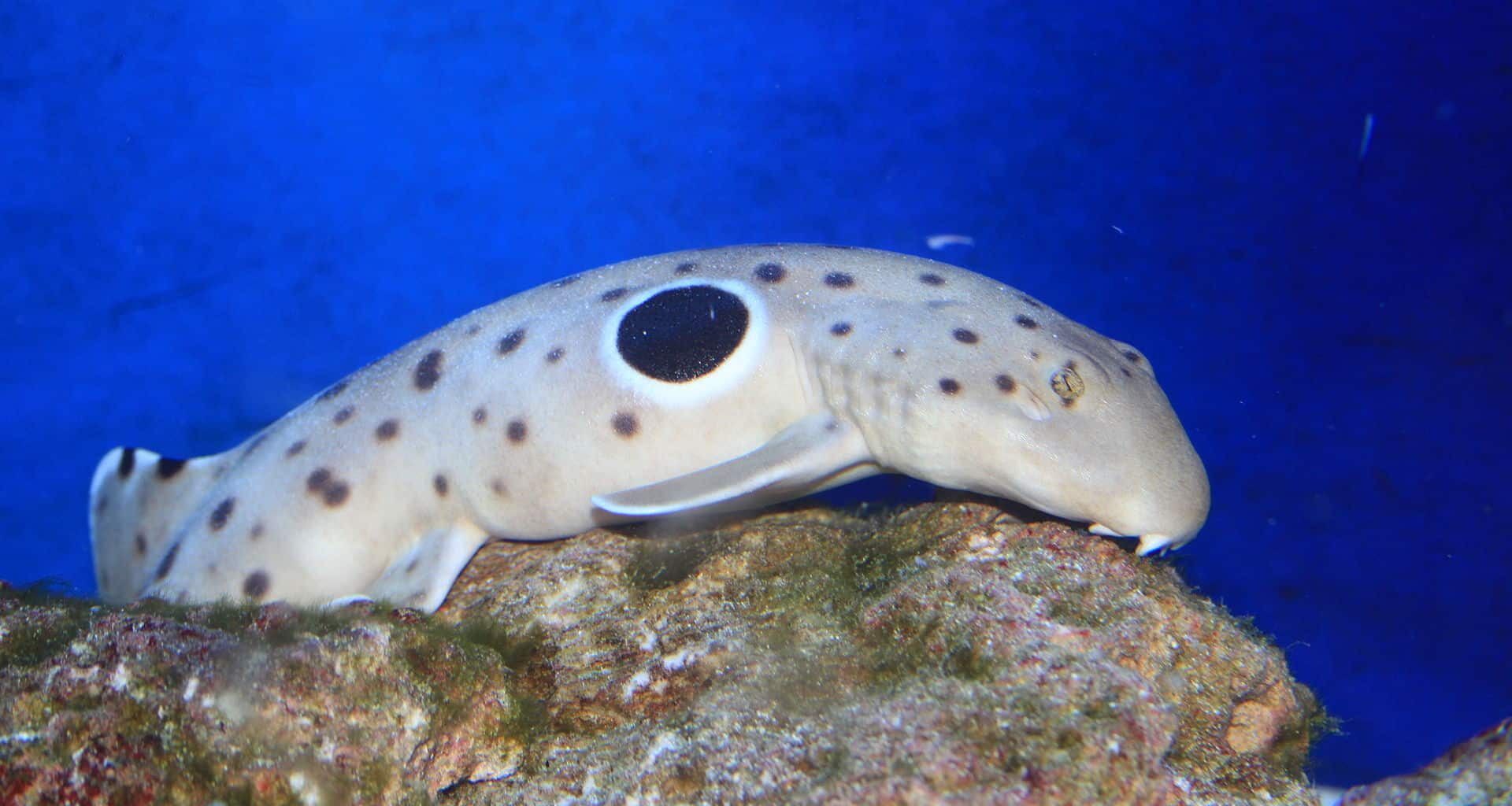
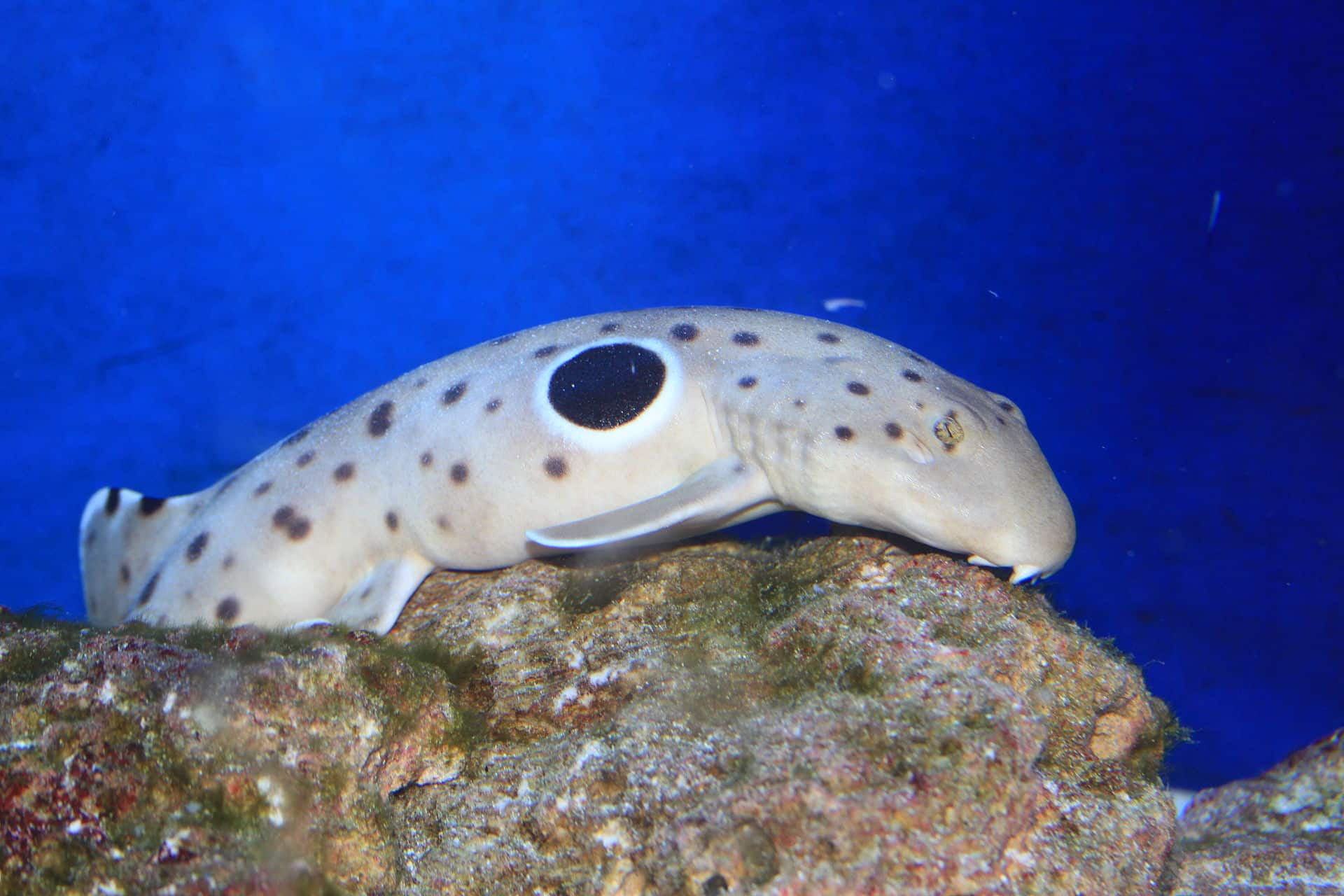
An epaulette shark, also known as walking shark. Credit: Jim Capaldi / Wikimedia Commons / CC BY 2.0
A new study from James Cook University has revealed that walking sharks can reproduce and lay eggs without increasing their energy use, defying long-held beliefs about the cost of reproduction in marine species.
The research, focused on epaulette sharks, commonly known as walking sharks due to their ability to move across reef flats using their fins, found no measurable rise in energy consumption during their short reproductive cycle. Scientists monitored five female sharks and discovered that even while producing complex egg cases, their metabolic rates remained unchanged.
Led by Professor Jodie Rummer, the study challenges the assumption that reproduction significantly increases energy demand. Rummer explained that reproduction is typically considered a major biological investment because it involves creating new life.
The team expected to see a spike in energy use as the sharks laid eggs, but results showed otherwise. She said this indicates the species may have developed an efficient physiological process to maintain stable energy use during reproduction.
Sharks maintain steady energy use during reproduction
Epaulette sharks typically lay two eggs every three weeks, with peak activity between September and December. The team observed the sharks before, during, and after egg case formation to track energy patterns.
The animals were kept in temperature-controlled tanks at the university’s Marine and Aquaculture Research Facility in Townsville. Scientists measured oxygen intake as a marker of metabolic rate, based on the principle that higher oxygen use reflects higher energy consumption.
Dr. Carolyn Wheeler, the study’s lead author and a recent Ph.D. graduate from JCU, said the team also monitored blood and hormone levels throughout the egg-laying process. She noted that those indicators also remained stable, reinforcing the conclusion that reproduction did not increase physiological stress.
Walking sharks show unique reproduction resilience
Until now, no study had directly measured the metabolic cost of egg laying in sharks. The findings provide new insight into how some marine species may withstand environmental pressures.
Wheeler said that while many animals reduce reproductive efforts under stress, walking sharks appear capable of continuing to lay eggs even in challenging conditions.
Researchers caution that although the species seems resilient, further study is needed to understand how it will respond to future changes in ocean temperatures.