
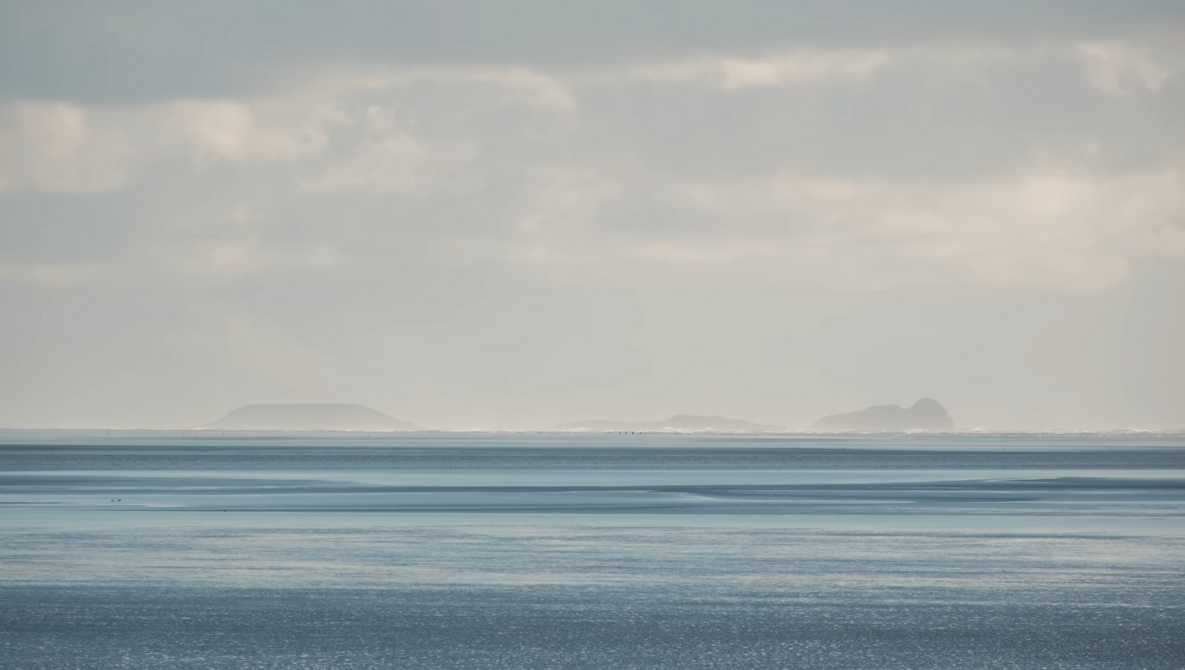
You can make a strong landscape photo with a basic kit, including a 16-50mm lens, if the rest of your process is solid. The video is a reality check on the habits that quietly decide whether you come home with a usable frame or just a memory card full of “almost.”
Coming to you from Ian Worth, this grounded video follows Worth as he heads to Hanstefan Castle in southwest Wales and tries to turn an unfamiliar location into a finished image. Early on, he calls out the easy trap: staring at other people’s work and assuming the missing piece is a new body or glass. Instead, he puts attention on what happens before the shutter press, including how you move through a place, how long you stay put, and how you respond when the first plan fails. You see him arrive excited, then immediately run into friction, including messy access, shifting light, and the simple problem of not being able to see the castle once he leaves the main viewpoint. If you’ve ever bounced between viewpoints hoping one will magically work, this hits close.
The best parts are the practical shifts that sound small until you try them. Worth talks about slowing down and giving a scene time, not as a feel-good idea, but as a way to notice angles, height changes, and focal length choices that only show up after the first few minutes. That mindset pairs well with his suggestion to build small projects so you stop wandering and start looking with intent, noticing repeating shapes, color echoes, and mood. He also argues for revisiting the same locations on purpose, learning how light moves across the land, what the tide does to your foreground, and where the shadows land at different times of day. If you tend to treat each outing like it has to produce a “keeper” immediately, his approach gives you permission to treat early attempts as scouting without turning the day into a write-off.
Where the video gets interesting is when the plan breaks and Worth has to adapt, because that is where most trips actually go sideways. He uses a drone to understand the bigger layout after the trail fails to give him a clean view, but he also spells out constraints that matter in the real world: wind up high, harsh light direction, and areas where flying is restricted. He starts thinking in terms of timing, shifting the idea from sunset to sunrise when the light angle could strike the castle walls instead of blasting straight into the lens. Later, when he sets up on a bridge with water leading toward the horizon, he shares a specific exposure setup at about 50mm on a 16-50mm lens, working around 1/20 second, f/8, ISO 125 while waiting to see if cloud cover will slide into the frame. You get the tension of committing to a composition while the sky decides whether it cooperates. Check out the video above for the full rundown from Worth.
And if you really want to dive into landscape photography, check out our latest tutorial, “Photographing the World: Japan II – Discovering Hidden Gems with Elia Locardi!”