
What began as a study of human population history quickly evolved into a groundbreaking discovery of the oldest known evidence of bacteria responsible for syphilis in a 5,500-year-old hunter-gatherer from Colombia.
This discovery effectively pushes back the date of the earliest known occurrence of Treponema pallidum by 3,000 years. According to the authors of a new study published in Science, these findings “show the unique potential of paleogenomics to contribute to our understanding of species evolution,” including identifying potential health risks for both past and present communities.
Although the 5,550-year-old middle-aged hunter-gatherer exhibited no visible signs of disease, researchers found traces of a previously unknown species of treponemes—bacteria that cause yaws, bejel, syphilis, and pinta—after analyzing extracted DNA from his tibia.
These diseases still affect populations today, making this discovery significant for understanding the history of this pathogen. This new treponeme strain did not match any known forms, indicating a divergence in the evolutionary tree at an unknown point in time. This discovery will aid researchers in learning how bacteria began to mutate and branch out into various strains that lead to diseases that communicate differently.
The oldest trace of syphilis
For this research, scientists recovered the genome of the bacterium Treponema pallidum from the skeletal remains of an ancient hunter-gatherer buried in a rock shelter in Sabana de Bogotá, Colombia.
Initially, researchers from the University of California, Santa Cruz, and the University of Lausanne sequenced the DNA to study human population history independently. When the teams detected T. pallidum, they came together to investigate further.
From an unusual source—the tibia bone—they generated 1.5 billion fragments of genetic data, far exceeding the typical output of similar studies.
Although the bacterium made up only a small fraction of this data, the scientists were able to reconstruct the genome without the specialized techniques usually required, thanks to the large dataset they had recovered.
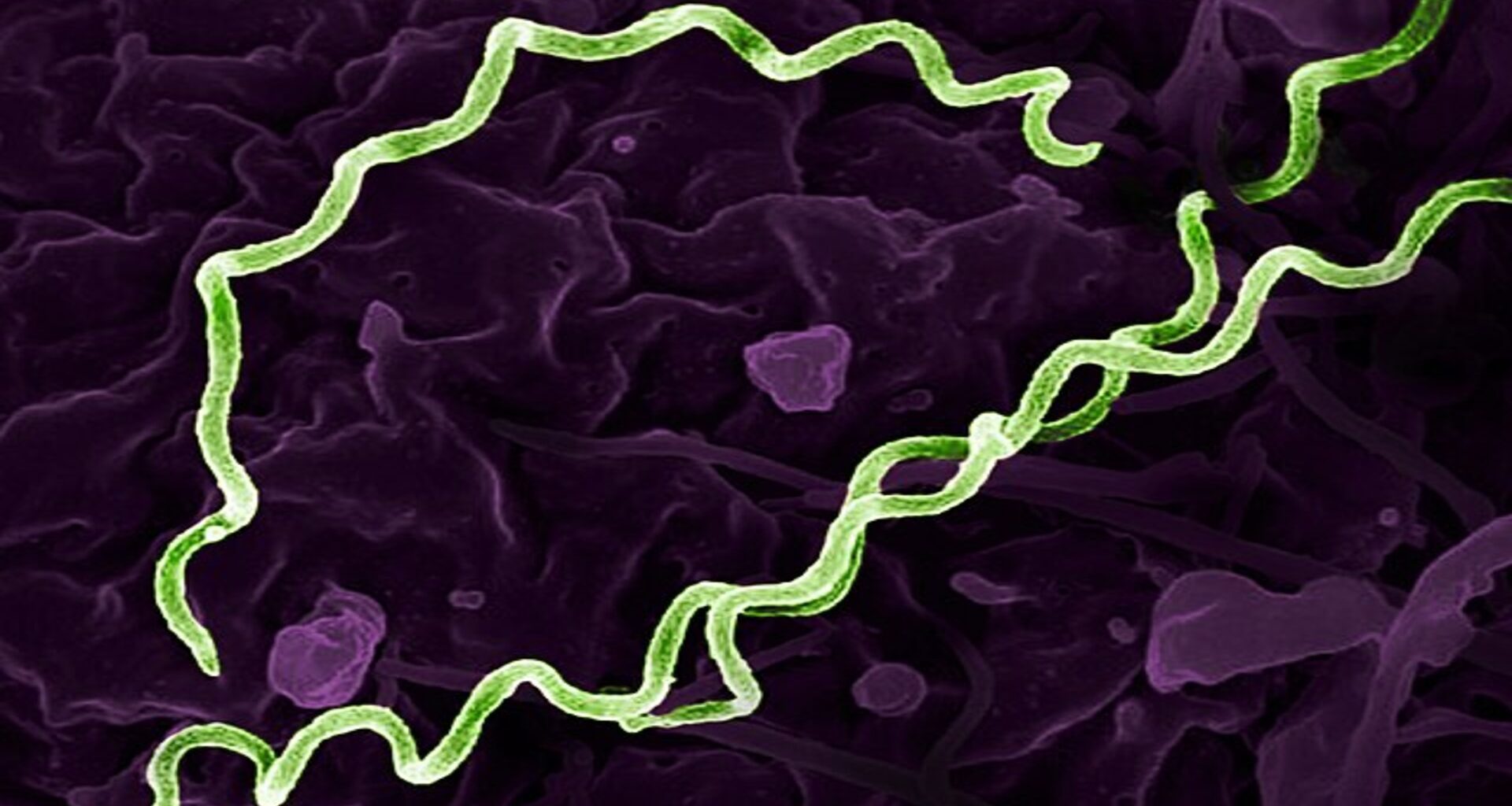
Treponema pallidum is a spiral-shaped bacterium that exists in three nearly identical forms, each responsible for a different disease: syphilis, yaws, and bejel. Pinta, the fourth form, is in a unique category since no other genome has ever been found that closely matches it. Previous DNA studies had identified T. pallidum in individuals from Chile and Brazil. However, the Colombian genome predates these by several thousand years, indicating that the pathogen was circulating earlier than scientists had previously understood.
The Europeans didn’t bring syphilis to the Americas
This finding challenges existing theories that syphilis originated from contact with Europeans. Instead, it appears that populations in the Americas had a long and complex history of treponemal infections well before European arrival, as reported by Archaeology News.
“Comparing progressively ancient genomes of Treponema with modern genetic data could help inform infection control strategies for syphilis, which has seen a resurgence globally over the past decade,” Live Science continued.
A 15th-century expression of syphilis was described as the “first globalized emerging infectious disease,” which eventually contributed to the rise of HIV/AIDS and COVID-19.
The ancient bacteria found in the 5,500-year-old Colombian specimen could potentially shed new light on a complex pathogen that continues to affect our world today.
By studying the evolution of this disease, scientists may be better equipped to understand how the bacteria, and more importantly, their expression in humans, will continue to evolve, a press release concluded.