
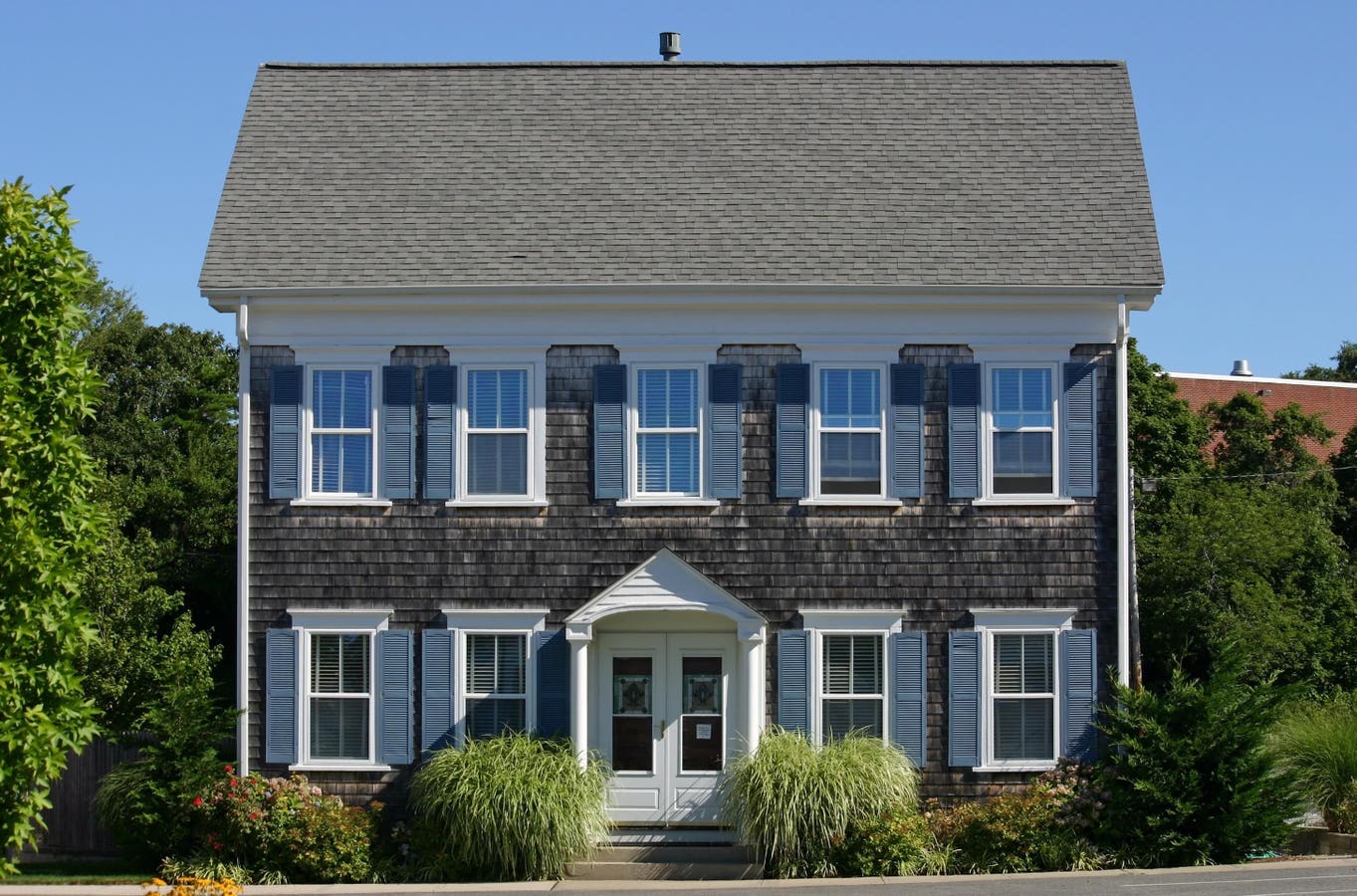
A traditional Cape Cod house in Provincetown, Massachusetts
getty
2026 is shaping up to be a defining year for design. While trends continue to be heavily influenced by social media, consumers are increasingly looking for more than flash-in-the-pan aesthetics. Instead, the focus is on longevity, choosing spaces that stand the test of time and reflect a more meaningful, collected approach. Even trends that may ultimately prove fleeting are rooted in intention, soul, and purpose.
Here are eight design trends we’ll see in 2026, according to interior designers and industry insiders.
Maximalism Returns — But With Meaning
After years dominated by simple, minimalist looks and Pinterest-curated aesthetics, maximalism is making a comeback in 2026, but this time with a more purposeful edge. According to Stephanie Hunt, founder and creative director of The Flairhunter, the trend is now about intentionally curating meaningful objects into living spaces rather than simply layering more stuff. “Maximalism is having another moment, with an emphasis on special pieces and pops of really, truly personal items. It’s the flair factor or ‘Quirk Quotient’ if you will. Think: Grandma came to town and passed down her stuff. Turns out she was pretty cool after all.”
Roll into maximalism in 2026
Stephanie Hunt of The Flairhunter
To make the look memorable, Hunt advises layering art salon-style, stacking patterns, assembling grouped collections of porcelain or ceramic, and incorporating standout pieces from vintage pillows to an occasional zebra-print chair. “Normal is boring… Memorable homes reflect the personalities of the people who live there,” states the designer.
Hunt also encourages breaking from tradition: “Use unexpected objects as art… The tension of the juxtaposition… allows your eyes to rest and makes a room memorable.”
Sustainability Becomes The Standard
Sustainability has long been on the radar of conscious consumers, but in 2026, it’s increasingly mainstream. Andrew Haltom, Director of Customer Success at Rugs.com, reveals that sustainability remains a priority for both consumers and designers, and that design choices are evolving accordingly.
“We’re also proud of our sustainability initiatives, which include planting a tree for every rug sold.” Haltom says, pointing to the brand’s expanded eco-friendly rug collection made from recycled materials.
For brands today, aligning with consumer values is no longer optional; it’s truly a business imperative.
Function Becomes A Design Priority
In the year ahead, practical design will increasingly drive consumer decisions. Haltom points to washable rugs like the Kamala and Theia collections as examples of products that marry performance with style: “Practical functionality… making washable rugs an essential for busy households.”
Rugs.com Kamala Rug
Rugs.com
Storage solutions are another growth category. From trending shoe cabinets on TikTok Shop to multi-purpose ottomans and pop-up coffee tables that double as workstations, furniture buyers want pieces that do more than look good; they want utility that fits both their space and lifestyle.
Biophilic Design Evolves Beyond Walls
Plant walls once dominated interiors, but then faded. Now, as houseplants surge in popularity, biophilic design is returning stronger and smarter.
“Biophilic design focuses on nature-infused spaces that connect people to the natural world…” Janine Weeks, founder and principal designer of Weeks Design, tells me. But she notes the trend is broader than greenery on a wall — it’s a holistic approach that includes clean air, circadian-aligned lighting, and mindful material choices.
Design by Janine Weeks
Mike Humphries
In 2026, biophilia will be less about showpiece installations and more about intentional connections to nature, from landscape art to nature-inspired color palettes.
The Rise Of Slow Decorating
In an era of rapid furniture turnover and trend chasing, slow decorating is gaining traction as a thoughtful alternative. This approach emphasizes meaningful pieces that tell a story over instant gratification.
“Interiors are moving decisively away from generic restraint…” says Janette Mallory of Janette Mallory Interiors. The payoff, she explains, is lasting design rooted in atmosphere and intention — not fads.
Every piece tells a story
getty
One of the benefits of this approach is that it creates a more designer-like look than aiming to install and finish everything immediately. There’s an intentionality to it that lasts far beyond trend cycles. “This evolution reinforces a belief that has long guided my work: timeless design isn’t driven by trends, but by atmosphere, intention, and the quiet confidence of materials and spaces that age beautifully.”
Antiques And Thrifting Out-Chic Fast Furniture
Thrifting has evolved beyond fashion to full-home décor strategies. For many buyers, vintage shopping delivers sustainability, quality, and uniqueness that big box goods can’t match.
What’s old is new again
getty
Why? According to Marissa Van Noy, entrepreneur and founder of Three Golden Cranes, vintage pieces bring history and soul to a space: “These items carry history with them… They add soul to a space in a way that mass-produced items simply don’t.”
For Van Noy, the value isn’t just economical, it’s about curating heirloom-worthy décor.
Tapestries And Textiles Add To The Narrative
Tapestries are reclaiming wall space in 2026. Van Noy describes them as transformative, offering texture, craftsmanship, and narrative depth: “The texture, the craftsmanship, the narrative woven into every thread…”
Tapistries trend in 2026
getty
While original pieces can be costly, the market now includes accessible vintage finds and dupes make it easy to have the look in a more attainable way.
Tassel Detailing Is Here To Stay
In 2026 tassels will be everywhere and for good reason. Van Noy notes they’re popping up on furniture, lamps, and drapery: “What makes them work so well is their versatility…”
A subtle yet chic detail
getty
Tassels introduce color, movement, and sophistication without overwhelming a design — making them a subtle yet powerful detail in layered spaces.