
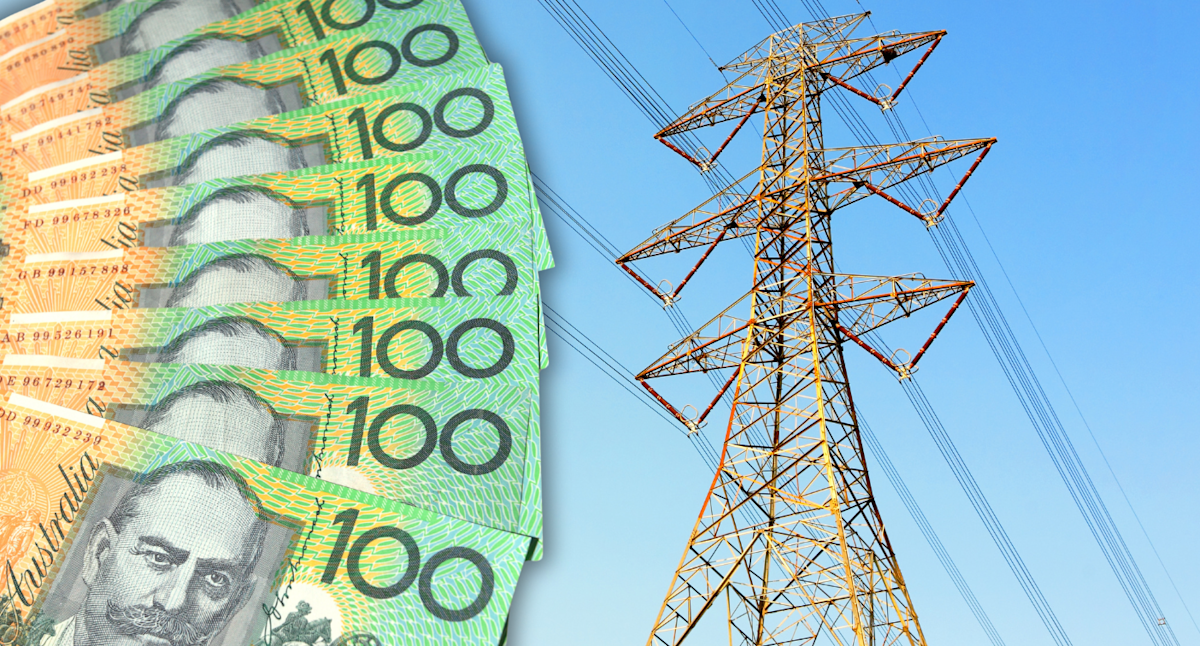
 Electricity bills could rise by 24 per cent this year, according to ABS and Westpac analysis. (Source: Getty)
Australian households are being warned to brace for a fresh blow to their budgets, following the end of a key government cost-of-living relief measure. As a result, electricity bills are predicted to jump by more than 20 per cent this year.
It follows the expiry of the government’s $75 a quarter energy bill discount in December. The subsidy, which began in mid-2023, was extended twice by the federal government to help alleviate cost-of-living pressures.
Electricity bills are now expected to rise 24 per cent from November 2025 to July 2026, according to figures from the Australian Bureau of Statistics and a forecast by Westpac economists. That would mean a financial hit of about $500 for the average three-person household.
RELATED
Westpac economist Justin Smirk said lower-income households would feel the biggest hit from higher electricity bills, given they make up a bigger share of their budget.
“All [the rebates] did was shift the impact of the price rises that should have appeared in 2024-25 into 2025-26,” he told The Australian Financial Review.
Westpac is estimating a 0.9 per cent increase in the December monthly inflation figures out on Wednesday, which would lift the annual pace from 3.4 to 3.7 per cent.
Boosting this is a predicted 12 per cent bump in electricity as the impact of the last round of rebates continues to fade, along with a rise in holiday travel and accommodation and rents and dwellings.
Do you have a story to share? Contact tamika.seeto@yahooinc.com
Energy Minister Chris Bowen announced on Friday that energy retailers would be required to offer new power bill plans that offer households three hours of free electricity by July.
The Solar Sharer program would initially be available to households on the default market offer in NSW, southeast Queensland and South Australia. It would then roll out to other states in 2027.
Free electricity would be provided during the middle of the day when solar power generation peaks. Households would need a smart metre to access the offer and there would be a reasonable use cap.
“The Solar Sharer Offer is about making sure we make the most of our huge solar generation, including by ensuring the benefits of cheap solar can be shared with consumers who don’t have solar systems themselves through the offer of free daytime power,” Bowen said.
“It will provide direct bill savings for households who sign up and can move their energy use into the zero-cost power period, while also taking pressure off evening peak demand, lowering network and system security costs.”
The Solar Sharer plan would allow households to access three hours of free power daily during the middle of the day. (Source: Getty)
According to analysis by the Climate Change and Energy Department, scheduling the dishwasher, washing machine and dryer – around 20 per cent of energy use – around the free period would save five-person houses between $500 and $790 a year.
A one-person household who moved just their dishwasher and appliance use could save around $150 a year, while a five-person household could save up to $400.
The Australian Energy Council, who represents retailers, has raised concerns over the scheme being rushed and said many customers were unlikely to see meaningful savings.
“For customers who can shift their energy use into the middle of the day, this offer could deliver some benefit. But for those who are unable to change when they use electricity, they are unlikely to reduce their energy costs,” Australian Energy Council CEO Louisa Kinnear said.
The industry body has been calling for accompanying changes to network tariffs to align with the free-usage period, arguing there is a risk energy charges outside the free window would be significantly higher otherwise.
Get the latest Yahoo Finance news – follow us on Facebook, LinkedIn and Instagram.