
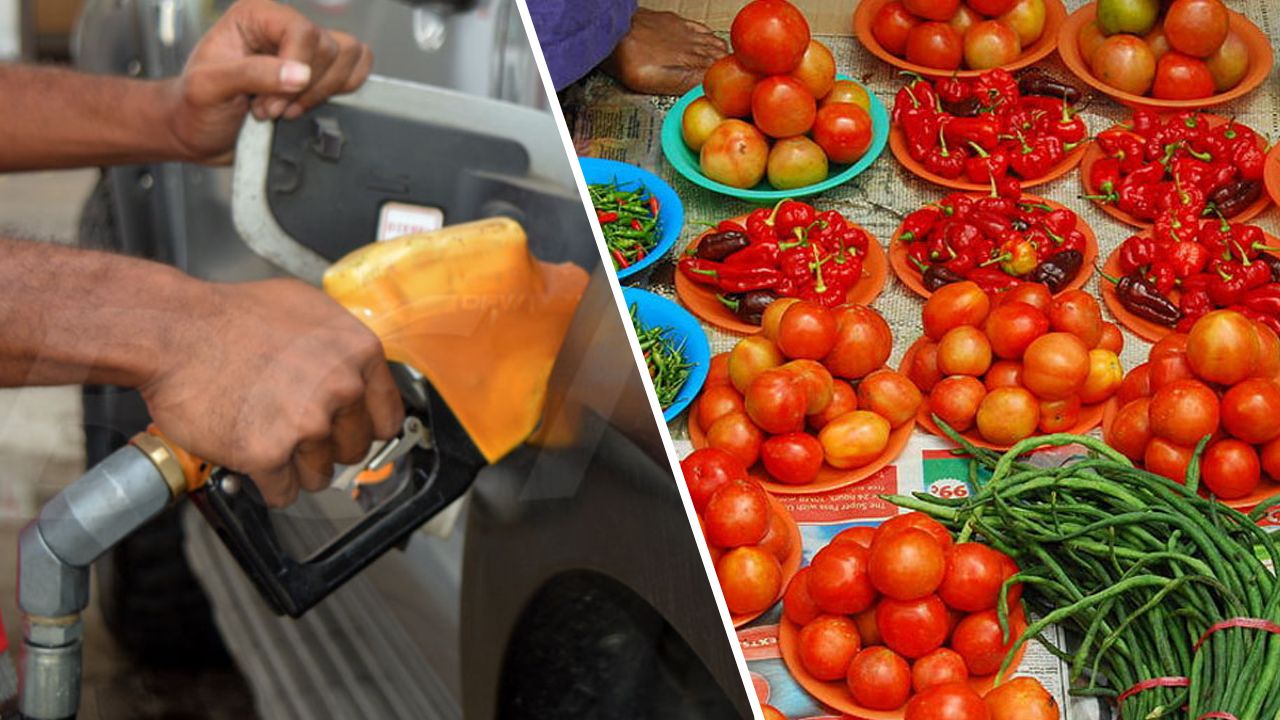
The year-end inflation for 2025, as released by the Fiji Bureau of Statistics, stood at 0.0 percent.
The Reserve Bank of Fiji says the outcome was largely driven by lower fuel and gas prices which offset the higher prices noted in the alcoholic beverages, tobacco & narcotics category, while food & non-alcoholic beverage prices were unchanged.
It says the inflation outlook for 2026 is projected at around 2.5 percent, barring any external shocks or notable rise in tariffs such as the proposed electricity tariff increase which could exert upward pressure on prices through both direct price effects and broader cost pass-through channels.
Article continues after advertisement
The RBF says that the Fijian economy is projected to expand for a fifth consecutive year in 2026, with growth forecast at three percent supported by a two percent increase in visitor arrivals.
However, the Governor cautions that rising external and domestic risks could weigh on the outlook.
These include the heightened geopolitical and trade tensions globally, national elections in Fiji and in major trading partner economies, subdued demand from key tourism markets and the possibility of a domestic electricity tariff increase.
Domestically, tourism activity performed better than expected in 2025, with visitor arrivals increasing marginally by 0.3 percent to 986,367 against a forecast of no growth.
However, the RBF says the increase was notably lower than the 5.7 percent growth in visitor arrivals recorded in 2024.
The outcome in 2025 was supported by higher arrivals from the United States, Continental Europe, Pacific Island Countries and the United Kingdom while visitors from key markets New Zealand and Australia ended the year with subdued outcomes.
Sectoral performances were mixed with mahogany and electricity noting higher output, while pinewood commodities, mineral water, gold ore, and sugar production fell.
Indicators of consumption showed strong activity throughout 2025, driven by higher incomes, remittance inflows, and increased new commercial bank consumption-related lending amid the lower VAT rate.
The RBF says this momentum is expected to continue in the months ahead, supported by continued expansion in lending and higher Government spending, including the recent back-to-school assistance.
Investment activity gradually improved, reflected in the pickup in both private and public construction-related projects, alongside some softening in previously elevated building material prices.
It says forward-looking indicators such as building permits issued and new investment lending point to a more positive investment outlook, although the upcoming national elections may prompt a temporary wait-and-see behaviour among investors.