
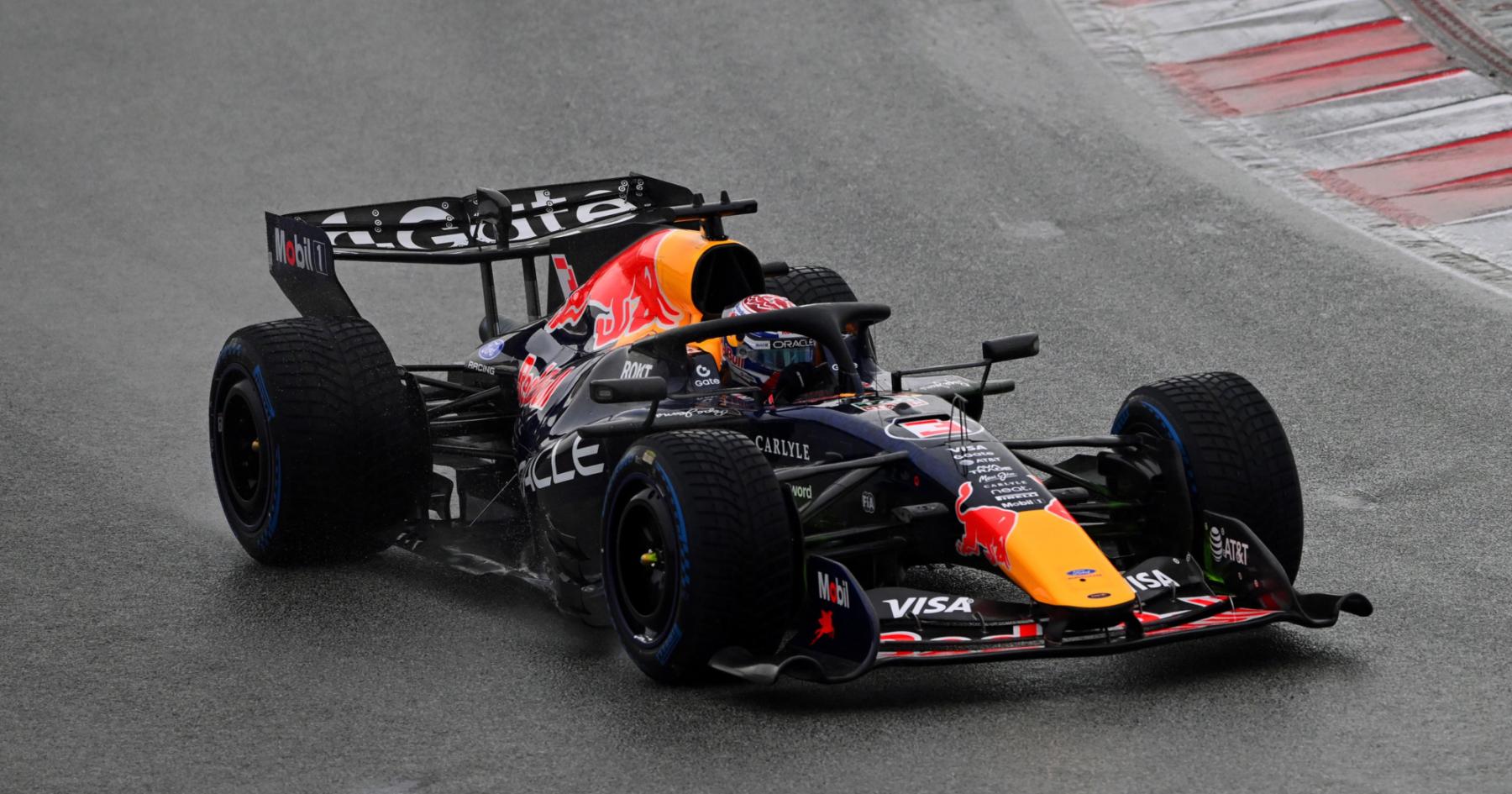
Early data from pre-season testing has delivered an unexpected twist in the battle between Formula 1’s newest power unit manufacturers.
Whilst these findings remain preliminary and subject to change across the remaining test sessions, the initial comparison between Audi and Red Bull Powertrains (RBPT) has defied expectations in several key areas.
Many observers anticipated RBPT, developed in partnership with Ford, would encounter the most significant challenges during these crucial test runs. That prediction has proved wide of the mark.
Instead, it is Audi facing the steeper learning curve, grappling with more teething troubles than their newly-established counterpart.
The irony is striking: a manufacturer entering F1 for the first time experiencing greater uncertainty than RBPT, despite the latter being an entirely fresh technical operation assembled over just two years.
The 50/50 power unit split challenge
Both manufacturers face the monumental task of mastering the sport’s revolutionary power architecture.
The equal split between electrical and internal combustion represents uncharted territory for everyone, with energy recovery, deployment strategies, and active aerodynamics calibration all requiring extensive refinement before Melbourne.
What has caught many by surprise is how this challenge has played out differently for each manufacturer.
Audi’s struggles appear more pronounced than anticipated for a company with extensive electrified motorsport experience. However, the fundamental truth is that F1’s hybrid systems bear little resemblance to powertrains used elsewhere, including the World Endurance Championship.
RBPT’s apparent advantage stems from a crucial factor: personnel expertise. The operation has drawn more extensively from manufacturers already embedded within Formula 1, particularly those with experience installing and homologating Honda-built units. This insider knowledge appears to have smoothed their debut significantly.
Still early days
These initial findings, whilst intriguing, should not prompt premature judgements about either manufacturer’s ultimate competitiveness or reliability prospects.
The primary purpose of these closed-door sessions is precisely to identify and resolve system functionality issues, particularly at power unit level. Both Audi and RBPT are following the established playbook for new entrants.
Formula 1’s position as motorsport’s technological pinnacle means surprises are inevitable. The current signs surrounding RBPT’s development certainly appear encouraging, though the season ahead will provide the definitive verdict on both manufacturers’ preparations.