
Rob Tooze’s household hasn’t drawn a single unit of electricity from the grid since November. The Newcastle man, from Warners Bay, has been able to slash his quarterly electricity bill from more than $1,700 to zero since he installed solar panels and a 50 kwh home battery.
The family of five, which includes three children, has made incredible savings despite running a pool pump around the clock and using multiple air conditioners.
“Life has become much more comfortable and relaxed in the house,” Rob told Yahoo News Australia.
“Removing the worry about power usage means chores like washing, drying, and dishes get done when it suits us, not when it’s cheapest to use electricity.
“We can run the air conditioners overnight in summer, and the colder bedrooms have improved our sleep massively.”
For Australians considering the change, Rob recommends investing in a larger battery system if possible.
Bigger batteries allow households to store more solar energy, reduce reliance on the grid, and maximise savings, benefits that are becoming even more relevant as electricity costs continue to rise.
He said that battery size can also influence the resale value of a house, so it’s worth factoring that in when choosing a system.
“If I were looking at buying a house, I would be looking at the battery size now, I know how much of an impact it has had on our bills,” he said.
Rob’s experience comes amid a reported surge in Australians seeking similar set-ups.
Do you have a story? Contact newsroomau@yahoonews.com
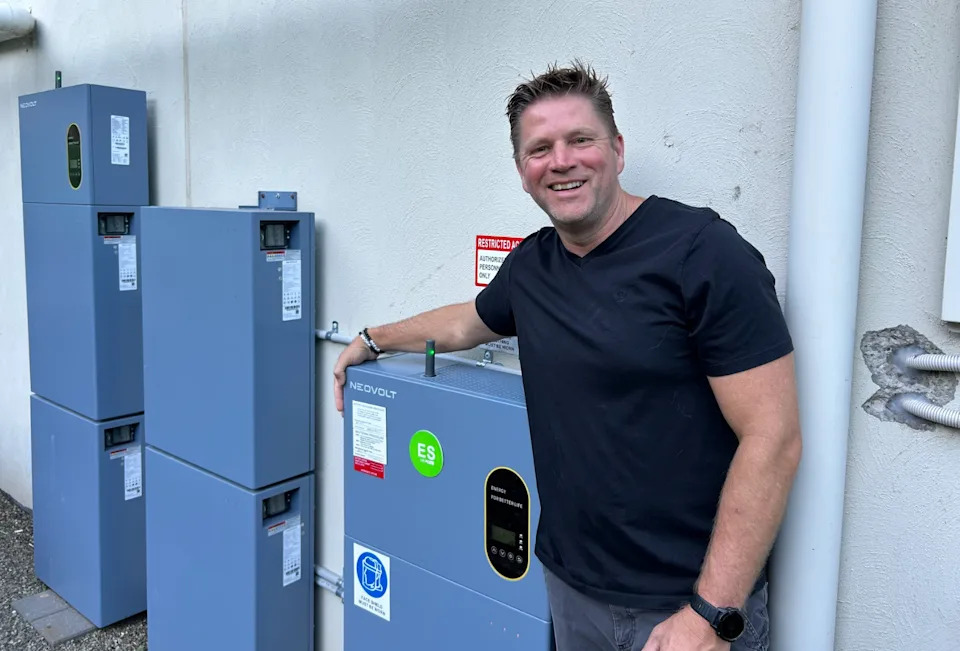
Rob Tooze urges Australians considering making the move to do their research first. Source: Supplied
Why are Aussies considering home batteries?
VoltX Energy CEO David Sedighi said more Australians are now investing in larger home battery set-ups, with many households opting for 40 kWh systems — four times bigger than the 10 kwh batteries that dominated the market a year ago.
“The financial impact of these changes on households will be significant and will equate to thousands of dollars in lost savings,” Sedighi said.
The trend has been accelerated by changes to the federal Cheaper Home Batteries Rebate, which provides discounts through Small-scale Technology Certificates (STCs).
Battery prices vary by manufacturer. But, eligible households can have a 50 kwh battery installed for about $4,000 out of pocket under the current rebate scheme, a saving of about $25,000 off the original price.
Official government and regulator reports indicate that between July 1 2025, and December 31, approximately 160,000 to 184,000 households installed a battery under the scheme.
The government originally forecast that one million batteries would be installed by 2030, but due to the high uptake in 2025, they have doubled that forecast to 2 million, Minister for Energy Chris Bowen said.
“We want more Aussie households to have access to batteries that are good for bills and good for the grid — because it means more cheap, fast, safe solar energy is available in our homes night or day, when and where it’s needed,” Bowen said last year.
Although subsidy rates have already fallen this year, and from May, they’ll tumble again.
Only the first 14 kWh of a battery will receive the full rebate, the next 14 kWh will get 60 per cent, and capacity above 28 kWh will qualify for just 15 per cent.
For a 30 kWh battery, this reduces the rebate from roughly $10,600 if installed before January to about $5,850 if installed after May.
The policy changes have prompted a surge in deposits and installations, Sedighi said.
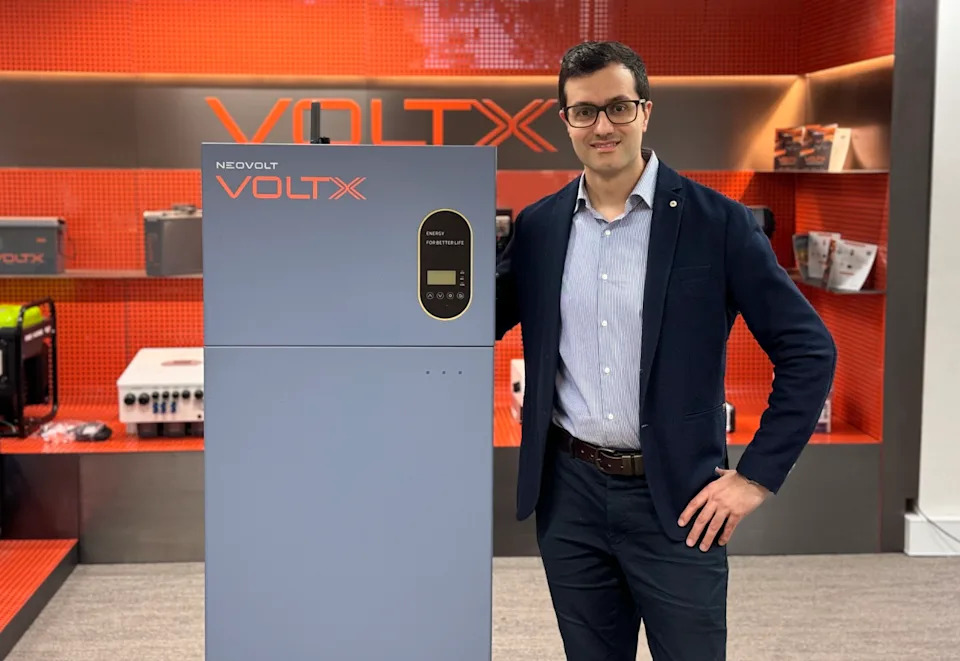
VoltX Energy CEO David Sedighi. Source: Supplied
How long can a battery power a home?
A 40 kwh battery can power an average Australian home for up to two and a half days without drawing from the grid, and while savings begin immediately, systems typically take 1.5 to 4 years to pay for themselves, with rebates accelerating the return on investment, Sedighi said.
Experts urge consumers to do their homework before committing to a system: check warranties, product authenticity, after-sales support, and confirm retailers are approved by the National Electrical and Communications Association (NECA).
“Check warranties and product authenticity, and what their after-sales support looks like. Most importantly, make sure they are a NETCC-approved retailer,” he said.
“Choosing the right battery is one thing, but choosing the right company is just as important.
Do you have a story tip? Email: newsroomau@yahoonews.com.
You can also follow us on Facebook, Instagram, TikTok, Twitter and YouTube.