
Lightroom Classic can either become the place where your landscape work stays alive for years, or the thing you install after you have already lost track of it. The video lays out a few mistakes that feel small in the moment, then show up later as missing files, wasted trips, and slow progress.
Coming to you from Michael Scott, this grounded video pushes back on the idea that better results start with a better camera. Scott is blunt about how easy it is to stall out while waiting for the “right” upgrade, then realizing months went by with nothing made. He points out that a nice camera is a luxury, not a requirement, and that you can do real work with what you already own. He even calls out the mindset trap of saving for gear while your skills stay frozen. When he does talk about buying something, it is a narrow, practical suggestion: commit to one camera and one lens, learn it deeply, and stop bouncing around. He also makes the point that the device in your pocket, an iPhone, can carry you further than indecision.
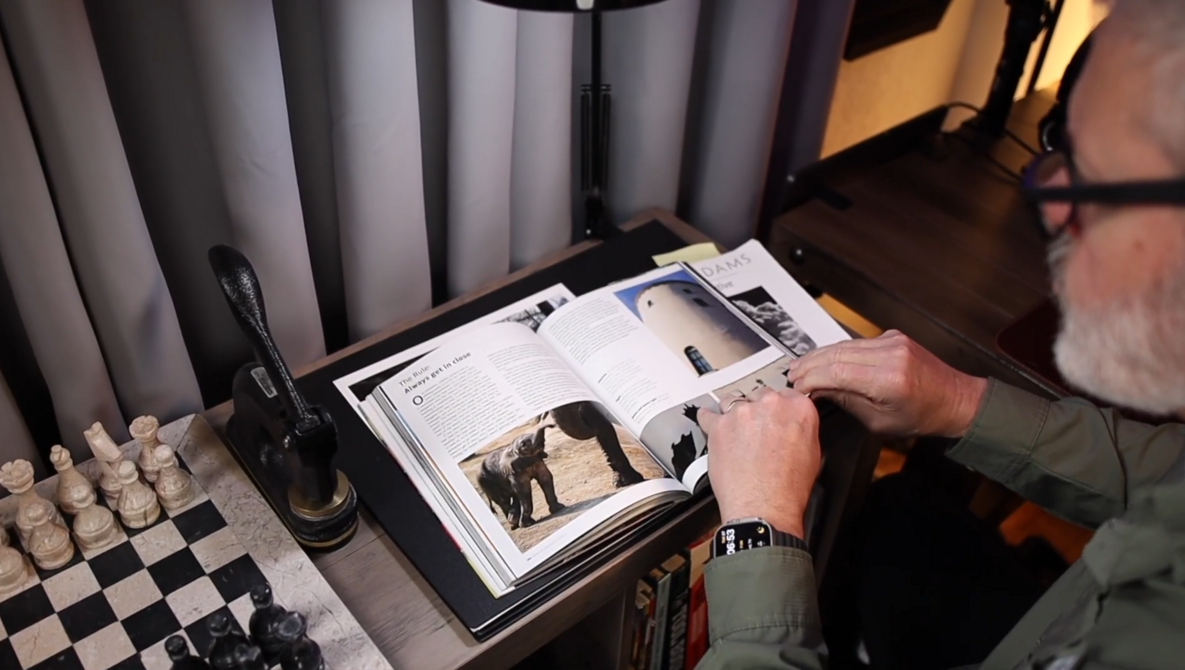
The most useful section is the one most people avoid: organization. Scott talks about years of shooting film, tossing negatives into random boxes, and realizing later that some of that work is simply gone. Then he describes repeating the same mistake with digital files by scattering images across hard drives with no system. He mentions starting with Nikon’s ViewNX 2 and eventually landing on Lightroom as the tool that finally made his archive usable again. The argument is not about software features, it is about being able to find your work and actually look at it. He connects organization to critique in a way that stings a little, including the basic tools he skipped early on, like a light table and a loupe, and how that kept him from seeing what was working and what was not.
From there, the video shifts into a bigger mindset change: stop obsessing over the perfect location and start paying attention to what is in front of you. Scott describes how returning to the same places forces you to notice smaller scenes and subtle changes, instead of chasing a fantasy trip as the only path to a strong frame. He also argues that books still matter, and that reading can build a foundation that scattered online tips rarely match. Then he pivots to the part many people say they care about, but rarely practice: light. He frames light as the real subject, not the gear, and starts tying that to exposure decisions, including shutter speed and aperture, without turning it into a technical lecture. He also drops a key idea about creative choices, like focus point, depth of field, and motion blur, and he hints at a sharper, more specific method later in the video that he does not fully unpack in the transcript. Check out the video above for the full rundown from Scott.