
Apple’s recent developments, from discontinuing the iPhone Upgrade Program in the UK to record-breaking earnings and new product launches, signal important shifts that users and investors should understand. This article explores the implications of these moves and what they mean for the broader tech landscape.
In early 2026, Apple reported a remarkable 16% year-over-year revenue increase, reaching $143.7 billion in Q1 alone. This growth reflects not only strong sales but also the expanding footprint of Apple’s device ecosystem, now boasting 2.5 billion active devices worldwide.
Alongside these financial highlights, Apple is navigating supply constraints, program discontinuations, and strategic acquisitions that together shape its trajectory in a competitive global market. Understanding these changes offers valuable insight into Apple’s evolving business strategies and what users and investors might expect next.
Apple’s Financial Performance and Device Ecosystem Growth
Apple’s Q1 2026 earnings demonstrate robust momentum with $143.7 billion in revenue, marking a 16% rise compared to the previous year. This record-breaking quarter underscores the company’s resilience amid macroeconomic pressures and supply chain hurdles.
One of Apple’s strongest assets is its massive, interconnected ecosystem. With 2.5 billion active devices worldwide, Apple has entrenched itself deeply in consumers’ daily lives. This scale not only drives recurring revenue through services and accessories but also strengthens brand loyalty.
Geographically, Apple’s expansion is notable in India, where it has increased iPhone market share despite the overall flattening of smartphone shipments. This growth in a key emerging market signals Apple’s ability to adapt and capture new users even as mature markets saturate.
Product and Program Changes: What’s New and What’s Ending
Apple is adjusting its product offerings and customer programs to align with evolving market conditions. A significant change is the discontinuation of the iPhone Upgrade Program in the United Kingdom. This program allowed customers to lease iPhones with easy upgrades, and its end may prompt UK users to reconsider their purchasing or upgrade strategies.
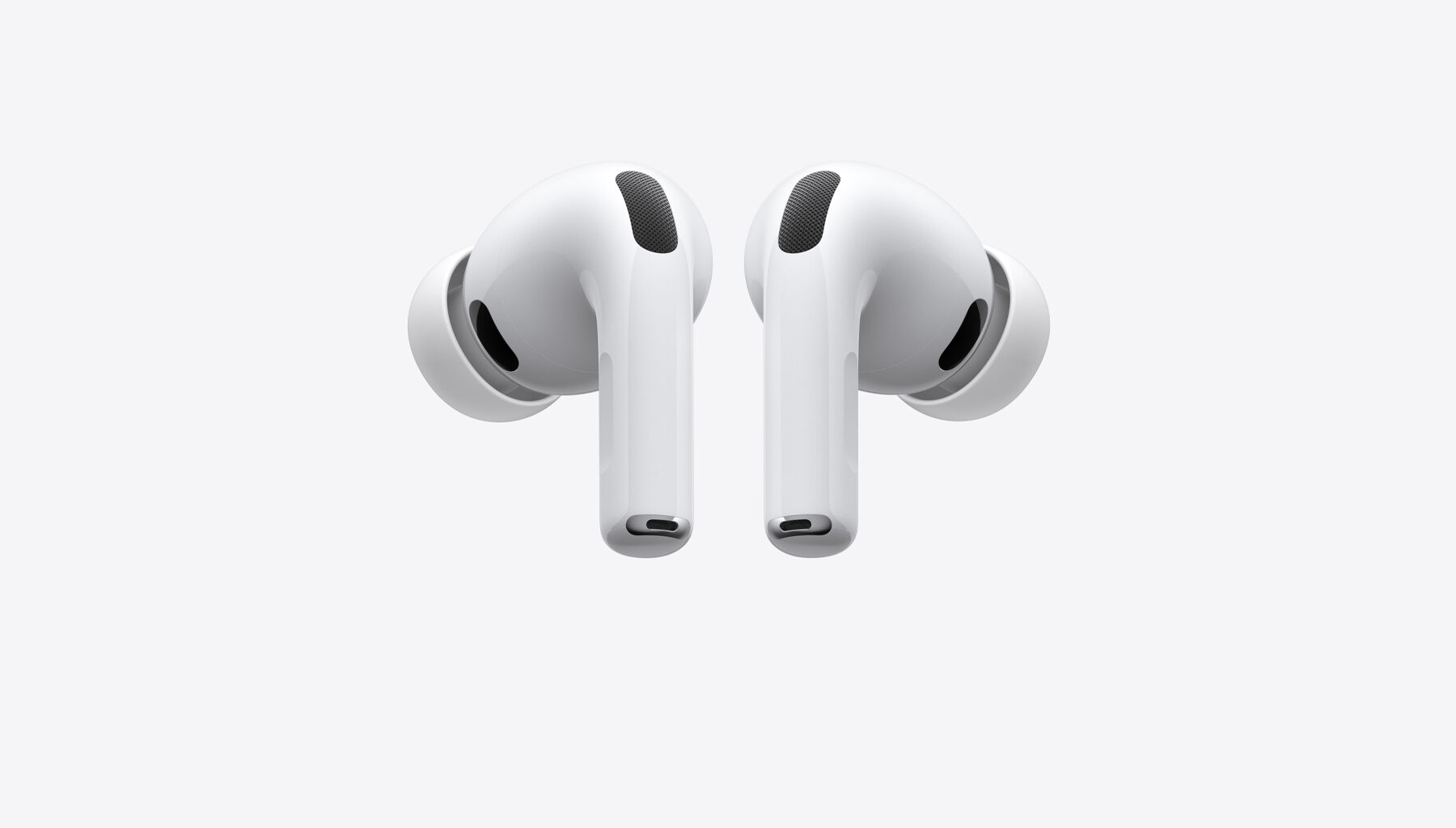
Meanwhile, supply constraints have impacted Apple’s AirPods Pro 3 availability, resulting in an estimated $230 million revenue loss last quarter. This highlights ongoing challenges in meeting high consumer demand for popular accessories and suggests that supply chain optimization remains a priority.
Regarding upcoming products, the iPhone 18 launch is slated for next year, with rumors hinting at improved telephoto capabilities and pricing strategies designed to counter rising production costs. On the wearable front, Apple has introduced new features for the Apple Watch, including hypertension notifications now available in seven additional countries and a new Black Unity Braided Solo Loop accessory, reflecting a blend of health technology and cultural recognition.
Innovations and Acquisitions: Strengthening the Future
Apple continues to invest heavily in artificial intelligence and design innovation, signaling its commitment to future-proofing its product lineup. The acquisition of the secretive AI startup Q.ai for $2 billion underscores Apple’s ambition to enhance its AI capabilities.
In parallel, Apple confirmed that its next-generation Siri will be powered by Gemini technology using Private Cloud Compute. This advancement aims to improve Siri’s performance while preserving user privacy, a key differentiator in the voice assistant market.
Talent acquisition also plays a role in Apple’s innovation strategy. The addition of Sebastiaan de With, cofounder of the acclaimed photography app Halide, to Apple’s design team hints at a focus on elevating user experience and camera technology in future devices.
Legal and Regulatory Challenges
Despite its successes, Apple faces ongoing legal and regulatory scrutiny. In 2025, the company was fined a total of $851 million for privacy and antitrust violations, reflecting increased oversight in major markets. These fines may influence how Apple approaches user data policies and competitive practices moving forward.
FAQs
Why did Apple discontinue the iPhone Upgrade Program in the UK?
Apple has not publicly detailed the specific reasons, but discontinuing the program may reflect strategic shifts in consumer financing options or responses to market conditions and regulatory environments.
How significant was the impact of AirPods Pro 3 supply constraints?
The supply shortages led to an estimated $230 million loss in revenue last quarter, indicating strong demand for the product and the financial cost of distribution challenges.
What does the $2 billion acquisition of Q.ai mean for Apple?
The acquisition signals Apple’s intent to deepen its AI capabilities, likely enhancing services like Siri and other machine learning-driven features across its ecosystem.
How does Apple’s device ecosystem size affect users and investors?
With 2.5 billion active devices, Apple benefits from a large, engaged user base that drives recurring service revenue and fosters ecosystem lock-in, which is positive for long-term growth and stability.
Are there any new health features on Apple Watch?
Yes, Apple Watch now supports hypertension notifications in seven additional countries, expanding its health monitoring capabilities and appeal to health-conscious users worldwide.
Conclusion
For users, staying informed about program changes like the UK iPhone Upgrade Program discontinuation can help in planning device purchases or upgrades. Apple Watch users should explore the latest health features and accessories to maximize their experience.
Investors and industry watchers should monitor Apple’s AI developments and supply chain improvements, as these will be key factors influencing future product launches and financial performance. Keeping an eye on regulatory developments is also crucial, given the potential impact on Apple’s operations and policies.

Jamie has been blogging about tech, making money online and entrepreneurship for the past 12 years. He is the proud owner of hugely successful website makeawebsitehub.com and has helped over 20k people start their own blogs.
Latest posts by Jamie Spencer (see all)