
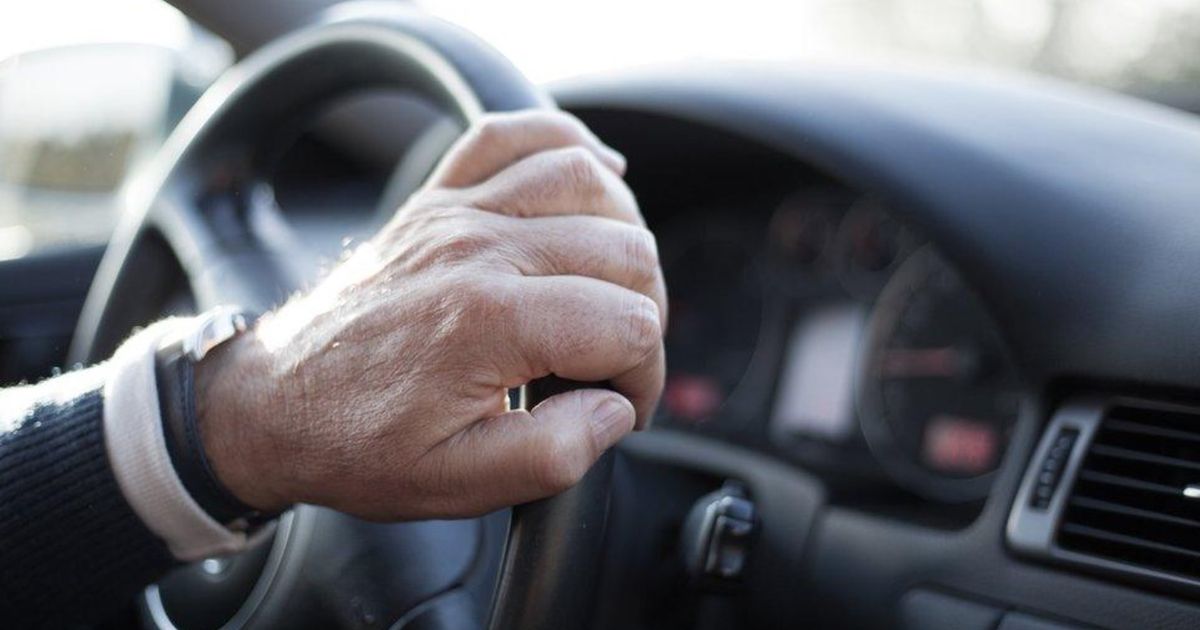
Greg Wilson, the founder of Quotezone, a car insurance company, has said road users, motorists and drivers are “recommended” to avoid driving if they’re taking specific medicines.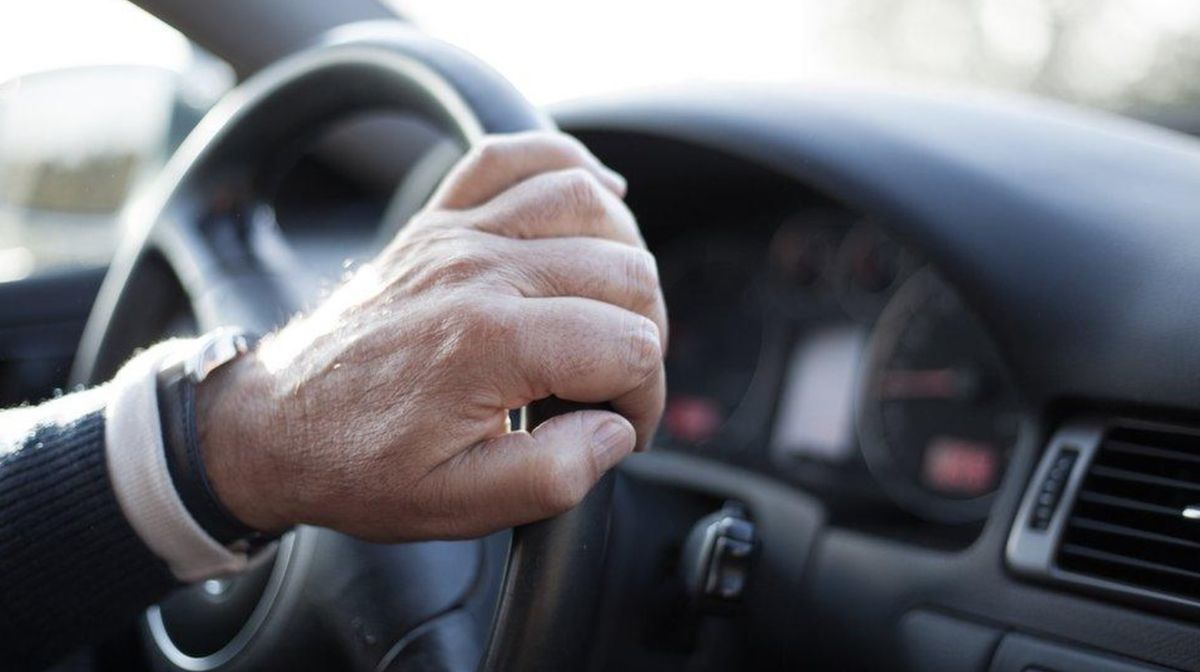
DVLA could tell drivers on three common medications to stop driving
Drivers on three common medications could be told to stop driving by the DVLA. Greg Wilson, the founder of Quotezone, a car insurance company, has said road users, motorists and drivers are “recommended” to avoid driving if they’re taking specific medicines.
Those on opioid painkillers, tranquilisers, and even antidepressant have been warned over the impact the medications have on their driving ability.
Greg said: “If you are on strong medications, it is likely that you will be recommended to avoid driving. Opioid painkillers, tranquillisers, and certain antidepressants are examples of medicines that can affect driving ability – as well as those that cause drowsiness or say ‘do not operate heavy machinery.”
READ MORE Warning over everyday cooking mistake costing UK households £270
The NHS: “Some antidepressants can cause dizziness, drowsiness and blurred vision, particularly when you first start taking them.”
It added: “If you do experience these problems, you should not drive or use tools and machinery.”
Mr Wilson remarked: “The DVLA has an extensive list of over 110 conditions that can affect driving, so some motorists may be unaware of all of these conditions or the extent to which they can affect driving ability.”
Mr Wilson said: “We found some quite surprising and lesser-known conditions, some of which carry an increased risk and therefore insurance premiums can be higher – or more seriously, some ailments can even result in the driver’s licence being revoked.”
If your anxiety or depression is mild to moderate and does not involve significant memory or concentration problems, agitation, behavioural disturbance, or suicidal thoughts, you may continue driving.
This includes both Group 1 (car and motorcycle), and Group 2 (bus and lorry) If your condition is severe and includes any of those symptoms, you must stop driving immediately.
DVLA rules are different for mild, moderate, and severe depression. If you’re unsure which applies to you, speak to your doctor before driving or contacting DVLA.