
(Credits: Far Out / Polydor)
Sun 1 February 2026 3:30, UK
The Velvet Underground were never about playing it safe. In fact, they were the complete opposite, the kind of anti-radio-friendly entity whose songs about drugs and disillusionment seemed like an intentional move away from anything resembling the mainstream.
While that’s basically the literal definition of avant-garde, TVU didn’t wear it as a pretentious badge of honour; they were literally that – a low-key arthouse indie band that played by the rules of their own game and didn’t care who came along for the ride. So long as they stayed loyal to their own vision, that was what mattered. Mostly.
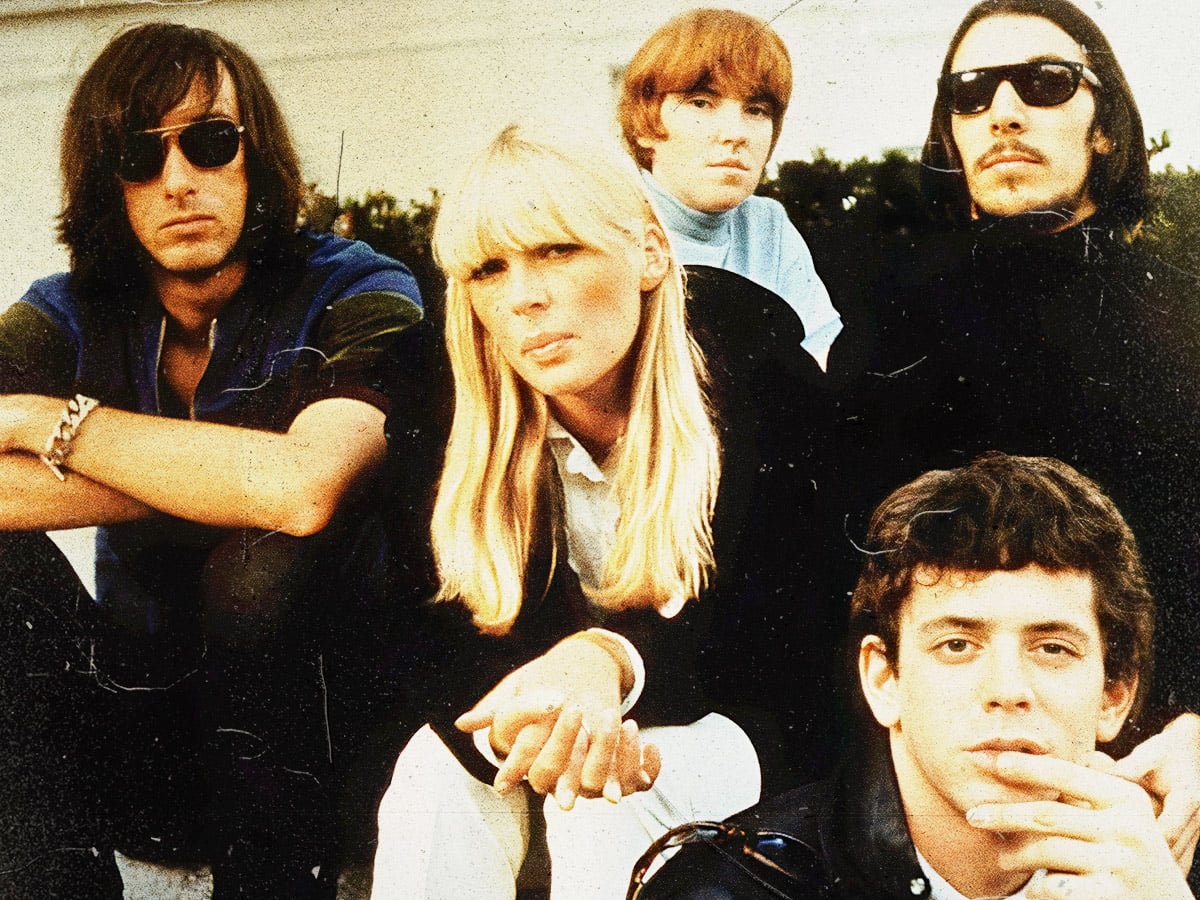
The trick came with the band’s debut album, The Velvet Underground & Nico. With Lou Reed’s critical lyricism and Nico’s foreign and otherworldly artistry, the record crossed over into everything the band became known for, with songs about heroin, urban anxiety and even sex work, with a sonic diversity that was even harder to categorise and an absolute nightmare for radio stations.
While they’d never intended for it to be accessible in those kinds of obvious ways, there did come a point during the album’s creation when it felt like a certain embellishment was missing. They had almost everything they needed, from the delicate considerations of ‘I’ll Be Your Mirror’ to the more controversial ‘Heroine’, but as far as the song that would become the record’s gateway, the one that would give it all context and immediate impact, they hadn’t quite got what they wanted.
‘Sunday Morning’ was a last-minute affair that shifted into its own thing after Andy Warhol encouraged Reed to write a song about paranoia. According to Reed, this then turned into, “Watch out, the world’s behind you, there’s always someone around you who will call… It’s nothing at all”, which captures the general unease of being watched.
It’s a heavy message for something that sounds so lighthearted and clean, but that’s the point, too. They’d wanted something more accessible, a point of entry for those listening to their music for the first time on the radio, that took the core of what they were and watered it down, almost. According to Reed, it was producer Tom Wilson who made the song what it was in the end.
“Andy absorbed all the flak,” he said. “Then MGM said they wanted to bring in a real producer, Tom Wilson. So that’s how you got ‘Sunday Morning’, with all those overdubs—the viola in the back, Nico chanting. But he couldn’t undo what had already been done.”
Hence, while a song about paranoia might have been dark enough to fit into the broader themes, it was Wilson who made it what it was in the end – something where those elements are hidden beneath the surface with more open and approachable flavourings, without compromising on who the band were at that moment in time.
And the payoff speaks for itself. Maybe not in terms of immediate success, as there was barely any at all, but the song became one of their most career-defining tracks, no doubt contributing to its enduring legacy as the record that essentially sparked an entire generation of aspiring musicians. As the Brian Eno quote goes, not many people bought the record at the time, but “everyone who bought one of those 30,000 copies started a band”.
Related Topics