
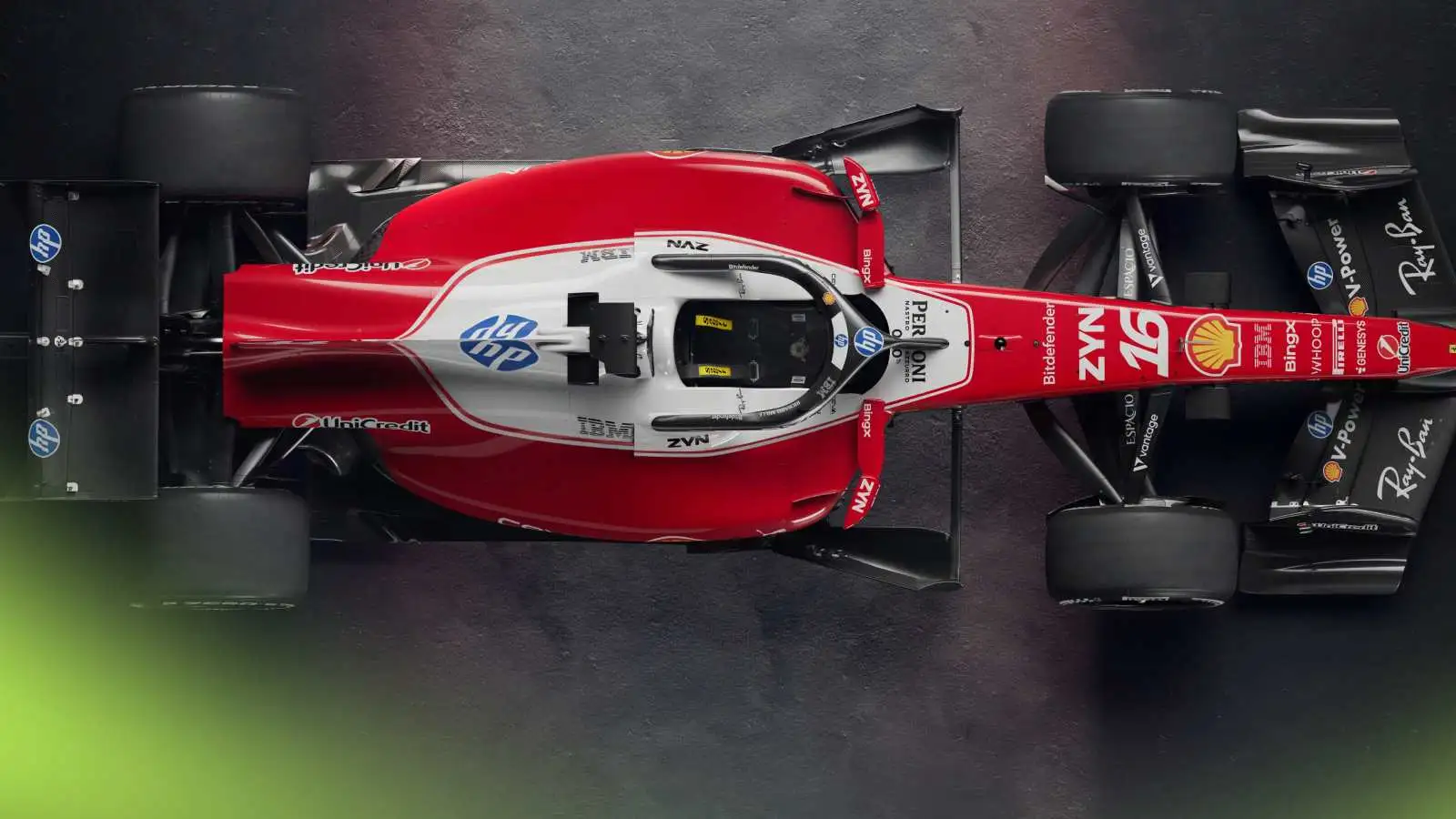
While setting the fastest time in a pre-season test can be a good morale boost, the long-held opinion in Formula 1 is that lap times bear little indication of what may happen moving forward.
Lewis Hamilton pipped the Mercedes duo to the post in Barcelona shakedown running, and though two official tests remain before the season starts, we’ve taken a look back at recent years to see how often the fastest team in testing shines through.
Do fast F1 testing laps provide competitive indicator? It’s a mixed bag
Want more PlanetF1.com coverage? Add us as a preferred source on Google to your favourites list for news you can trust.
First and foremost, when the teams go testing it is to ensure their all-new cars get on track safely and clock up as many laps as possible to gather all the data they can for their teams.
Simply, more laps equals more data, which in turn proves car and power unit reliability and provides indicators to the team for how to potentially upgrade its machinery.
Never has this been truer in 2026, with brand new chassis and power unit regulations putting the entire car to the test – and in Barcelona, the teams overall compiled a remarkable number of laps, considering the potential for teething problems with all-new cars.
How much can the leaderboards offer a look at the potential competitive order, however? Let’s take a look at the teams to clock the fastest lap in testing in the past 10 seasons, and how the championships eventually panned out:
Year
Fastest in testing
Drivers’ champion
Constructors’ champion
2025
Williams
Lando Norris
McLaren
2024
Ferrari
Max Verstappen
McLaren
2023
Red Bull
Max Verstappen
Red Bull
2022
Red Bull
Max Verstappen
Red Bull
2021
Red Bull
Max Verstappen
Mercedes
2020
Mercedes
Lewis Hamilton
Mercedes
2019
Ferrari
Lewis Hamilton
Mercedes
2018
Ferrari
Lewis Hamilton
Mercedes
2017
Ferrari
Lewis Hamilton
Mercedes
2016
Ferrari
Nico Rosberg
Mercedes
We can see here, then, that Ferrari has set the quickest time in testing in five of the past 10 seasons, but the team has yet to convert that into championship success – the Scuderia is still searching for its first title since the 2008 Constructors’ Championship.
Carlos Sainz took his Williams fastest around Bahrain last season, while Ferrari clocked the quickest time in 2024 before Max Verstappen took title glory, and McLaren romped to the Constructors’ crown.
While 2020-2023 saw the quickest team in testing win at least one title, that only leaves a 40% success rate in recent years of speed in testing translating to championship pedigree later on.
There is still plenty of testing to come in 2026, and lap times do not always paint a full picture.
Post-Barcelona F1 shakedown analysis
Shakedown conclusions: Mercedes back in the light, Red Bull finds peace, key Newey question
Winners and losers from the Barcelona testing shakedown (Circuit de Barcelona-Catalunya)
Are there any performance indicators in F1 testing?
While outright lap time might not always be the best indicator, there are a couple of other ways to glean how teams might be performing.
Reliability and uninterrupted running are good indicators of how advanced a team is in having developed its car, but a reliable car does not always mean it is a fast car.
Getting lots of laps under the belt, however, means teams can comb through the data and help inform upgrade direction, to potentially make bigger strides forward in the future.
For a term we’ll come to shortly, teams can sometimes abort fastest lap attempts to preserve their performance, so analysing fastest sector times can be a way of seeing how cars match up against each other.
Likewise, if reliability allows, teams will often look to complete one full race simulation – so keeping an eye on average lap times over a long stint, and stacking those up alongside other cars, can hint at which teams look strong.
Away from the track, too, when drivers and team bosses seem quietly confident while conducting interviews, that can be a hint that there is more performance up their sleeve.
How do teams keep their performance secret in F1 testing?
One word always stands out at this time of year: ‘Sandbagging’ – which is effectively how teams underplay their performance using different methods.
This can range from adding extra ballast to the cars, running in lower engine modes, drivers backing off or slowing down slightly while on a flying lap, or pitting at the end of a flying run to not complete it.
Similarly, while the teams bring a first iteration of their new cars to testing, it is likely that upgrades will already be applied before the new season starts, meaning the cars to test may look radically different to how they go racing at the first round.
Want to be the first to know exclusive information from the F1 paddock? Join our broadcast channel on WhatsApp to get the scoop on the latest developments from our team of accredited journalists.
You can also subscribe to the PlanetF1 YouTube channel for exclusive features, hear from our paddock journalists with stories from the heart of Formula 1 and much more!
Read next: Adrian Newey and Aston Martin AMR26 question marks raised after Brundle conversation