
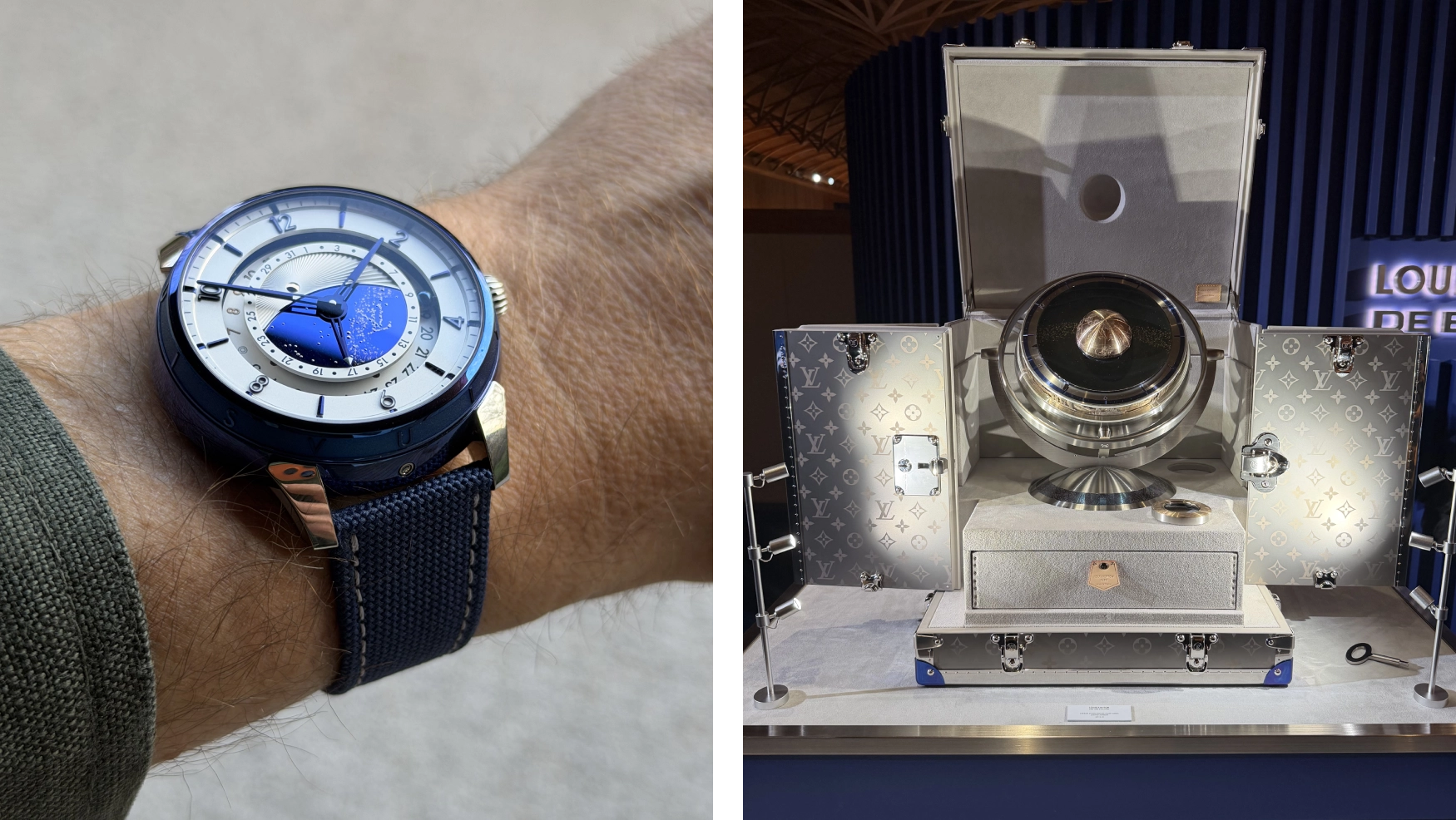
The Louis Vuitton × De Bethune LVDB-03 Louis Varius Project is an extremely contemporary take on a classical idea: the sympathique clock.
In-house, manually-wound De Bethune movements power both the watch and the clock, and naturally, the whole affair comes in a dedicated Louis Vuitton trunk.
This is LV’s third “Louis cruises with…” collaboration with a high-end independent watchmaker, following the Louis Vuitton x Akrivia LVRR-01 Chronographe à Sonnerie and Louis Vuitton x Kari Voutilainen LVKV-02 GMR 6.
Some collaborations exist to create something new. The more important ones exist to protect what would otherwise disappear. The Louis Vuitton × De Bethune LVDB-03 Louis Varius Project belongs firmly in the second category. It isn’t about novelty, market capture, or even relevance. It’s about stewardship — of ideas, of mechanisms, of a kind of imagination that no longer fits neatly inside commercial logic. At its core is the Sympathique: one of horology’s most audacious concepts. A clock and a watch in mechanical dialogue. Time shared, corrected, synchronised. Not metaphorically — physically. It’s the kind of invention that could only have emerged when timekeeping was still a frontier, not a commodity.
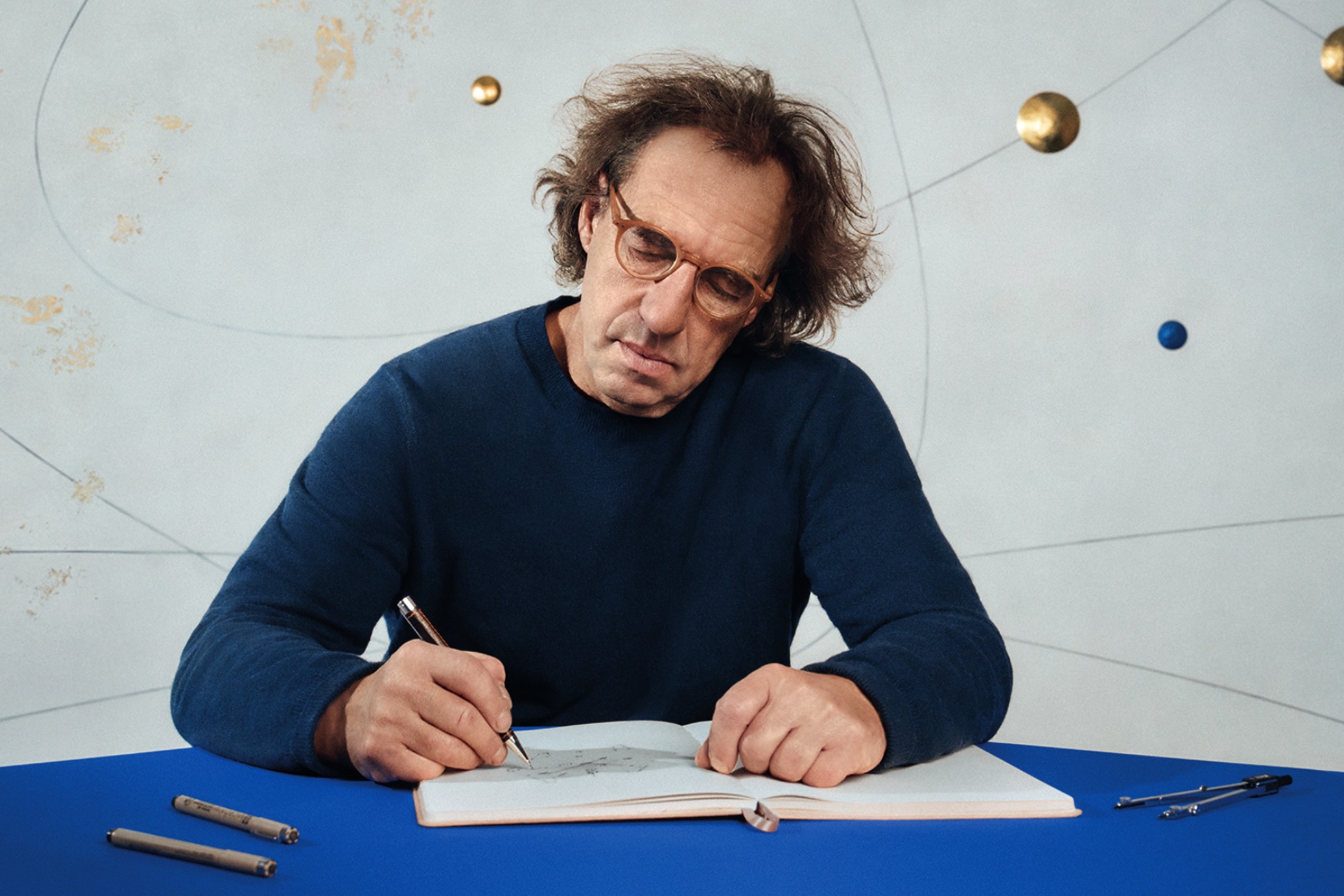
For De Bethune’s founder and master watchmaker, Denis Flageollet, this project is not theoretical. It’s personal. “Thirty-five years ago, I worked on a Sympathique project,” he explains. “I wanted to do more. I wanted to modernise it. Now was the right time.” That sense of timing matters. Because projects like this don’t happen when urgency is in the room — only when patience is permitted.
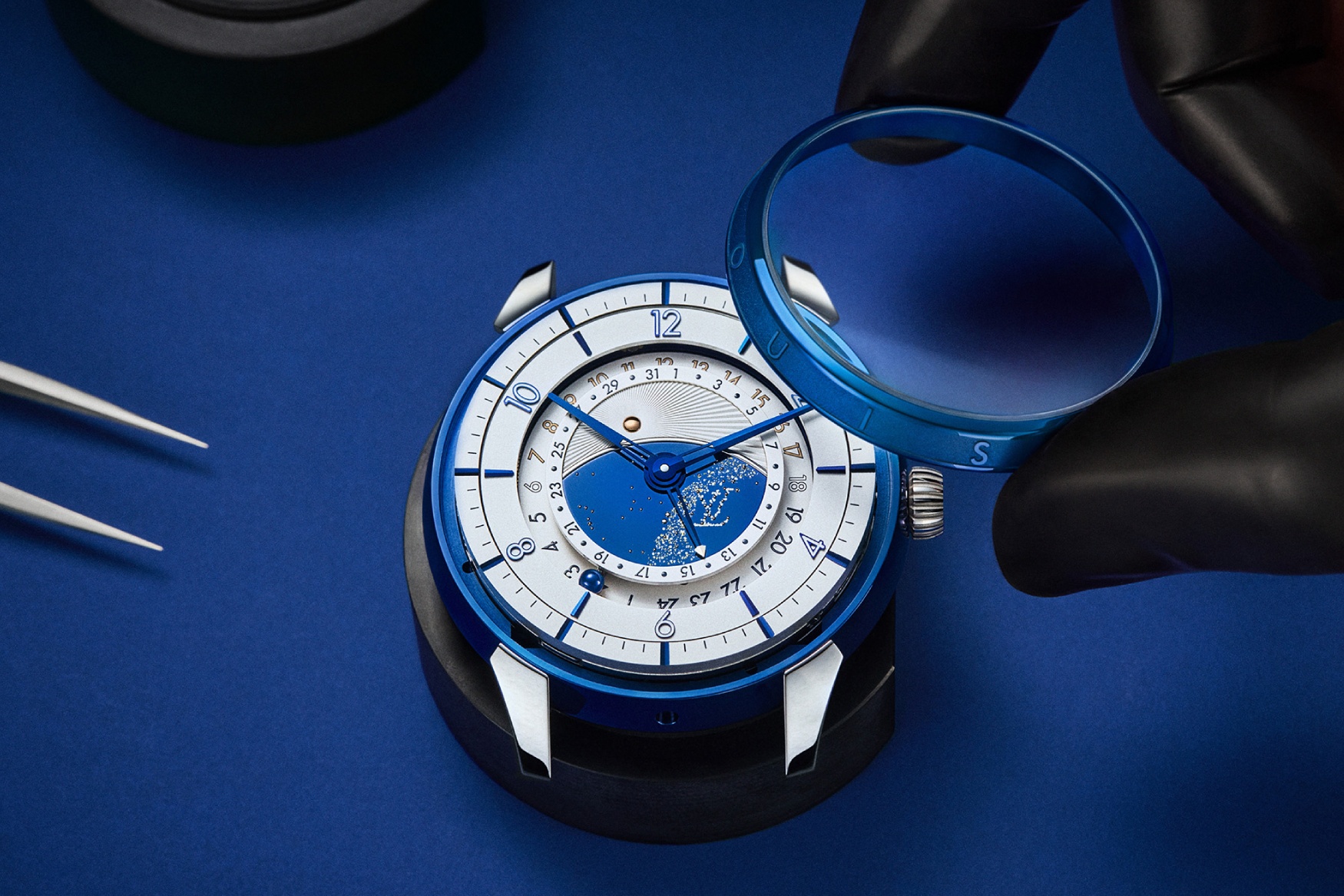
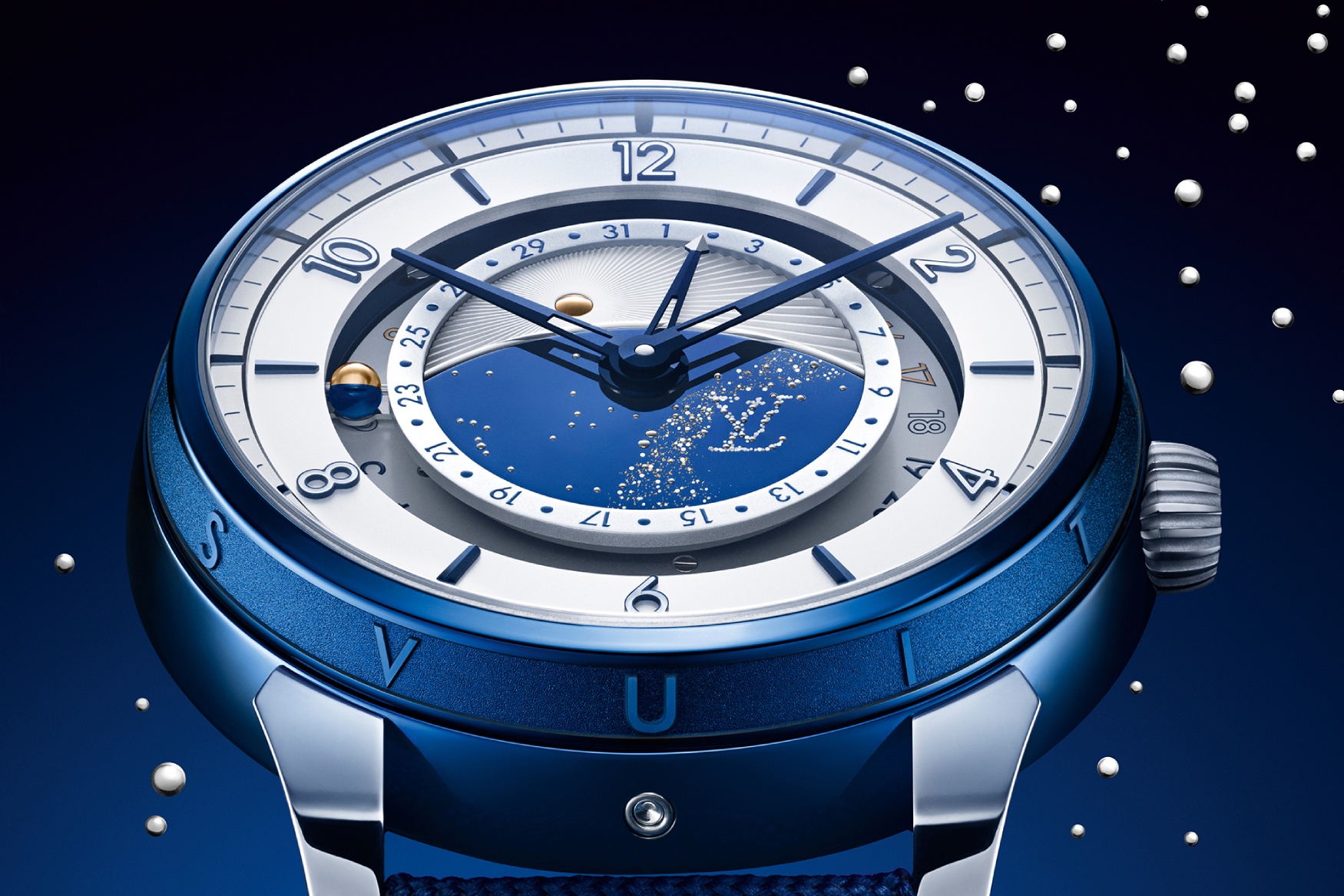
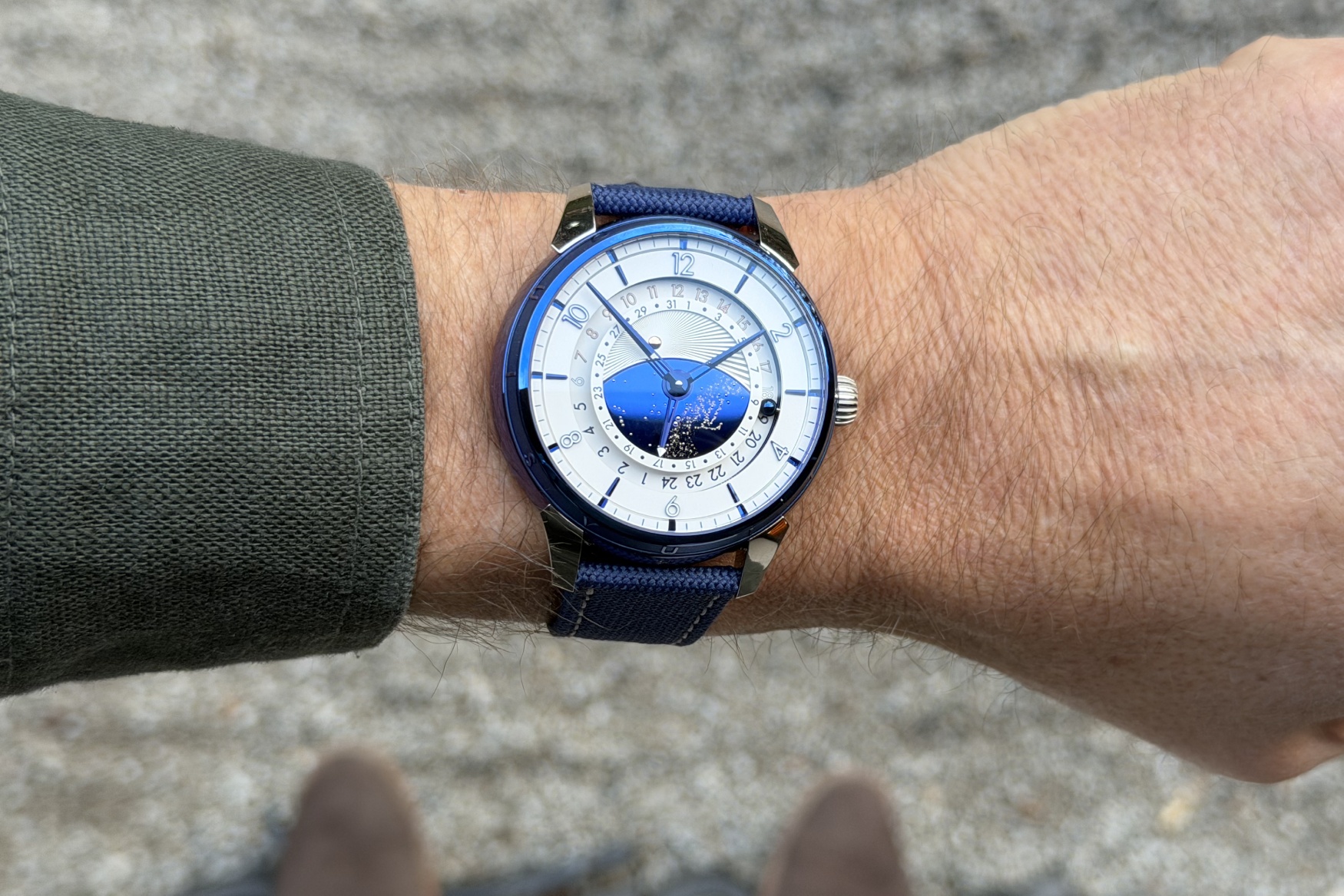
What makes the Louis Vuitton × De Bethune Sympathique genuinely different isn’t just its complexity, but its reversal of hierarchy. For the first time, the wristwatch itself, the LVDB-03 GMT Louis Varius, is deliberately designed to live independently of its host, the clock — 120 hours of power reserve gives you proper freedom to travel, and travel is certainly the mission, considering its GMT complication — while the clock becomes a chronometric reference rather than a master. It’s a watch intended for journeying, not returning obediently to its cradle each night. That shift is philosophical as much as technical. History, here, is not preserved — it’s allowed to adapt.
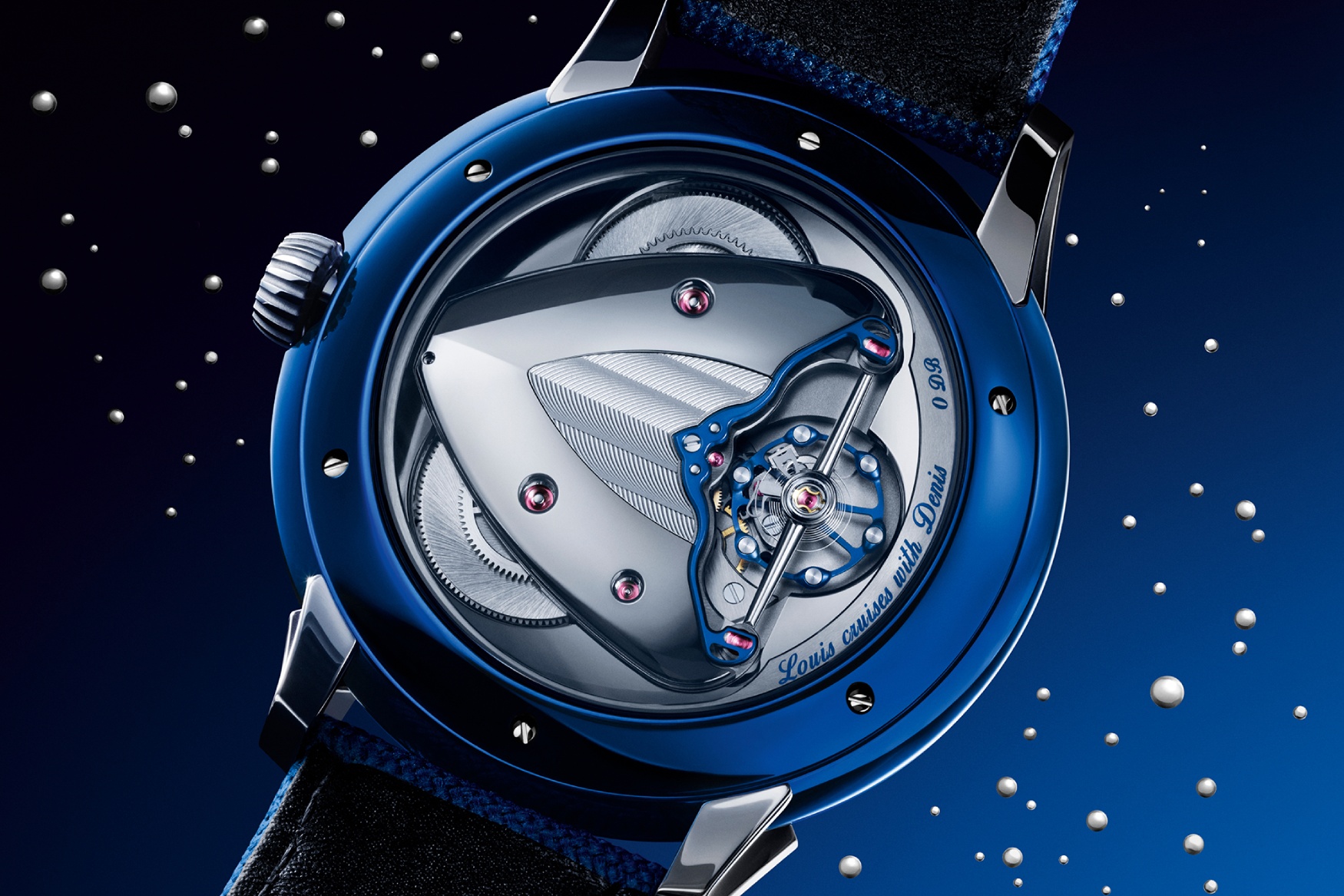
The Sympathique function is now no longer ceremonial: the watch docks without removing its strap, is continuously wound, and is automatically corrected over time. This isn’t a nostalgic revival of an 18th-century idea (specifically, an idea devised by the great Abraham-Louis Breguet), but a modern re-thinking of it — where history adapts to contemporary behaviour, and the relationship between watch and clock becomes a choice, not an obligation.
It’s worth acknowledging that fellow high-end independent Urwerk has already explored the Sympathique idea in a radically different direction with its Atomic Master Clock — pairing a multi-day autonomous wristwatch with an atomic time reference that winds, sets, and regulates it to absolute precision. But where Urwerk’s approach is about chronometric absolutism — the watch submitting to an external authority — the De Bethune Sympathique reframes the relationship entirely.
Here, the watch is complete on its own terms, designed to travel freely, with the clock acting not as a master but as a point of care you return to by choice. It’s the difference between correction and trust — and it marks a subtle but profound evolution of the Sympathique idea for modern life.
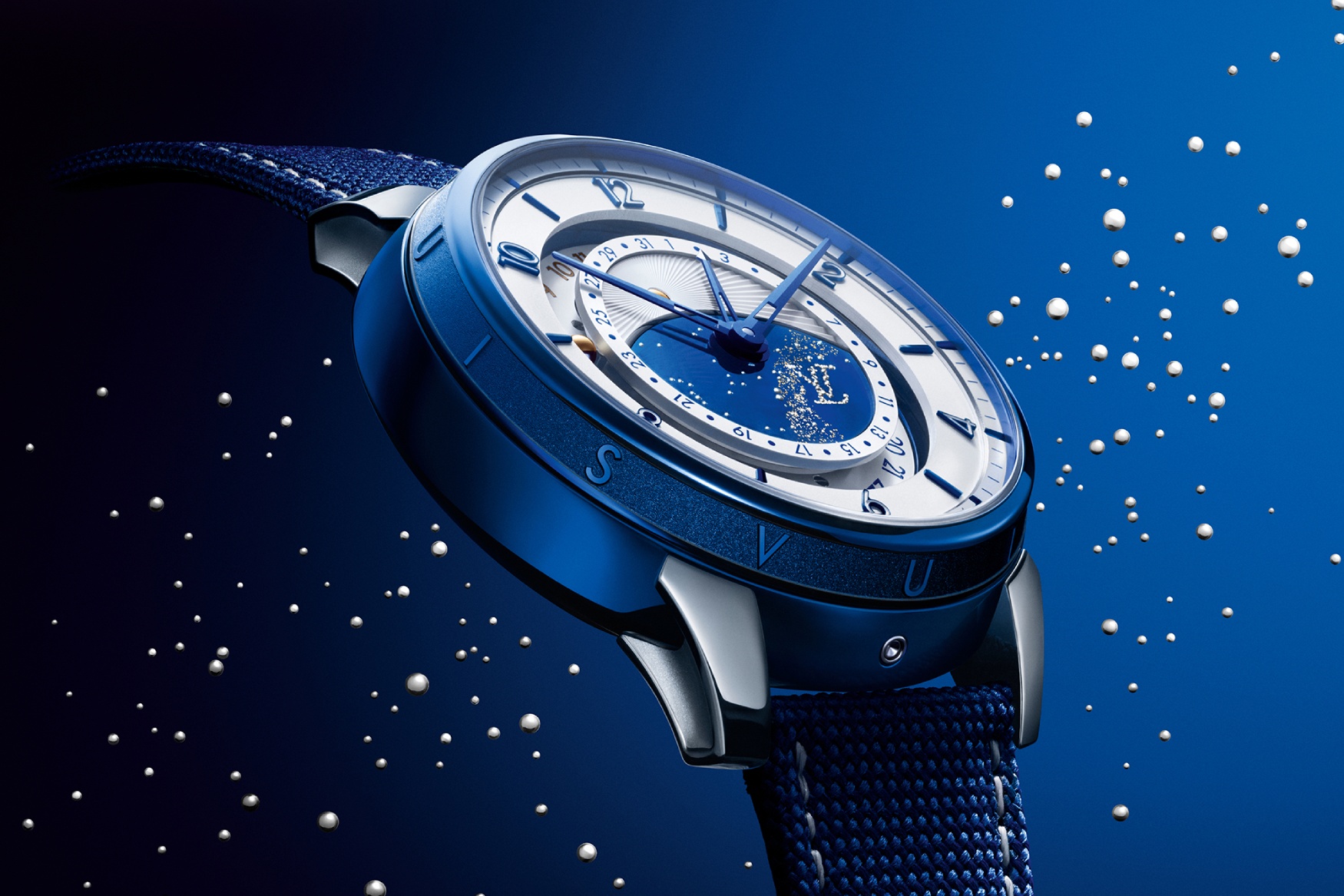
Aesthetically, De Bethune’s celestial language remains intact: the Milky Way dial, the blued titanium, the depth that feels astronomical rather than decorative. Louis Vuitton’s presence is quieter, more architectural: the Tambour Taiko case, the disciplined typography, the travel logic embedded in the complication set. Even the LV constellation on the dial doesn’t announce itself. It reveals itself slowly, if you’re paying attention.
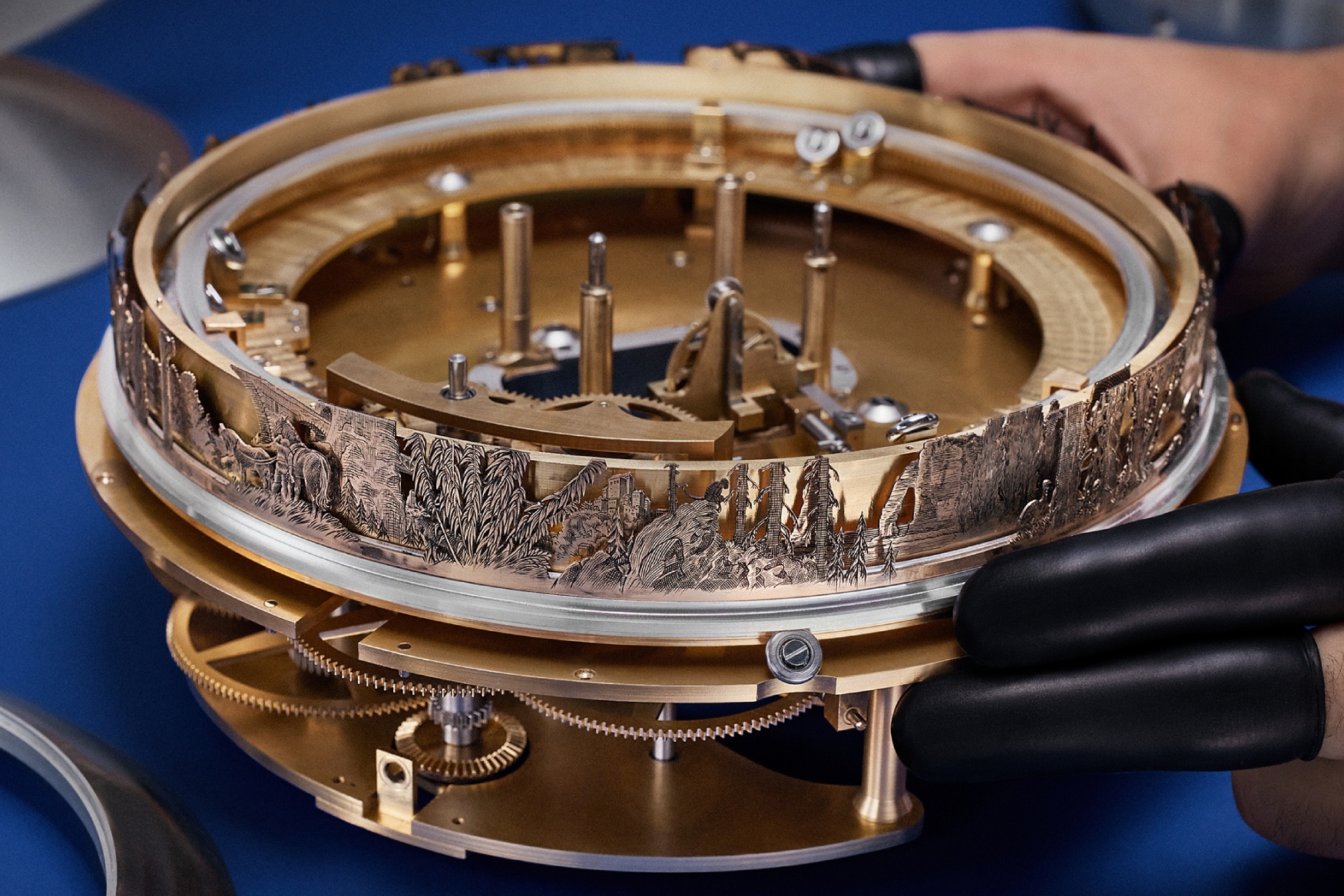
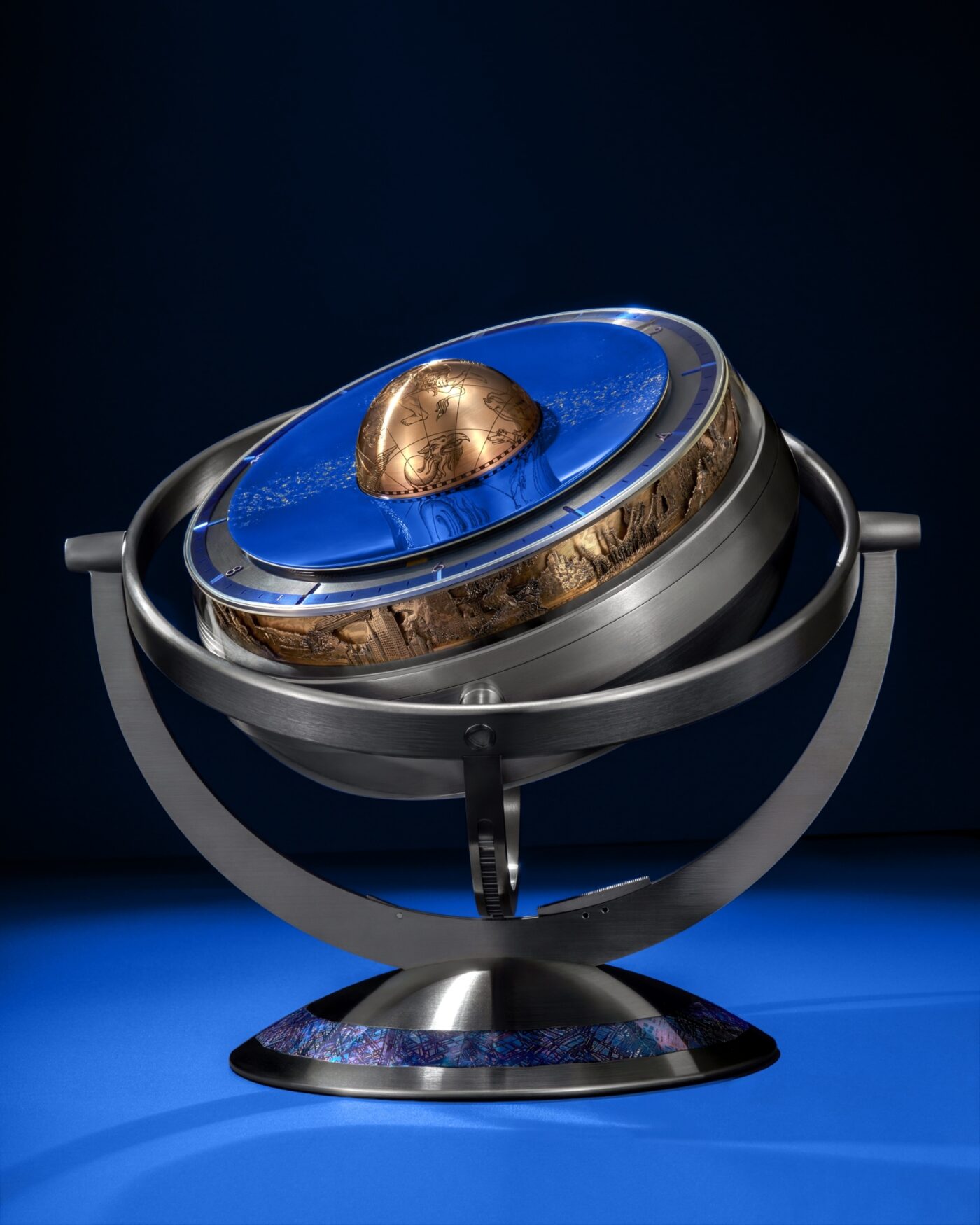
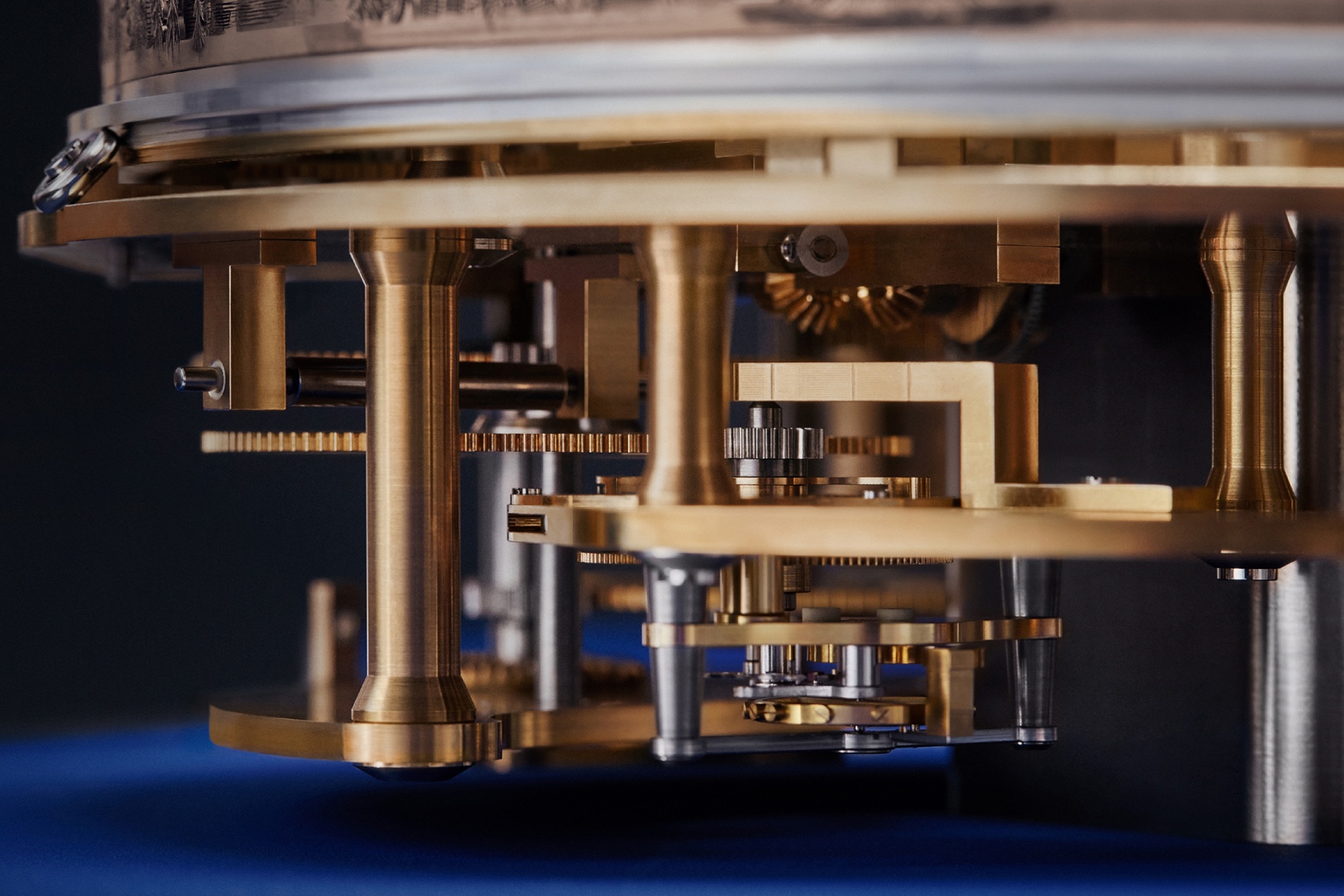
And then there is the clock. The LVDB-03 Sympathique Louis Varius is not a flex. It’s a responsibility taken seriously. Seven hundred and sixty-three components. Eleven days of power. A system that automatically winds and resets the watch — not as theatre, but as function. “The clock and the watch can feel each other,” Flageollet says. “That’s why it’s called Sympathique — sympathetic.” Only two clocks exist, not because of artificial scarcity, but because making more would be unreasonable. “Twelve clocks would probably be the work of a lifetime,” he admits. This is exactly what the watch industry’s leading houses should be doing.
There is a clear precedent. For its 270th anniversary, Vacheron Constantin didn’t just mark the occasion with commemorative wristwatches (although it did release plenty of those!) Instead, it built the year around La Quête du Temps — a monumental astronomical clock of more than 6,000 components, rich with celestial indications and automata — and placed it inside the Louvre. Not as spectacle, but as contribution. A contemporary mechanical work positioned deliberately among centuries of horological history, where it could be read as continuity rather than an anniversary-based product.
That gesture wasn’t commercial; it was custodial. The Louis Vuitton × De Bethune project belongs to the same lineage of thinking. It treats one of horology’s boldest inventions not as an eccentric relic, but as a living idea worth advancing. Worth funding. Worth doing properly — even if the result makes no sense on a balance sheet.

And that inevitably raises the question: if not Louis Vuitton, then who? Who else has the scale to support work like this, the patience to let it unfold over years, and the restraint to collaborate lightly while going deeply? Who else would give a watchmaker complete freedom, then stand quietly enough for something genuinely meaningful to emerge? Flageollet answers that more clearly than any press release ever could: “When I spoke to Jean, he told me I would have full freedom to do whatever I wanted to create.”
That single sentence explains the project — and the role Louis Vuitton is choosing to play. Not as a brand chasing legitimacy. But as a steward willing to protect horology’s most ambitious ideas — and ensure they still have a future.
Louis Vuitton × De Bethune LVDB-03 Louis Varius Project pricing and availability
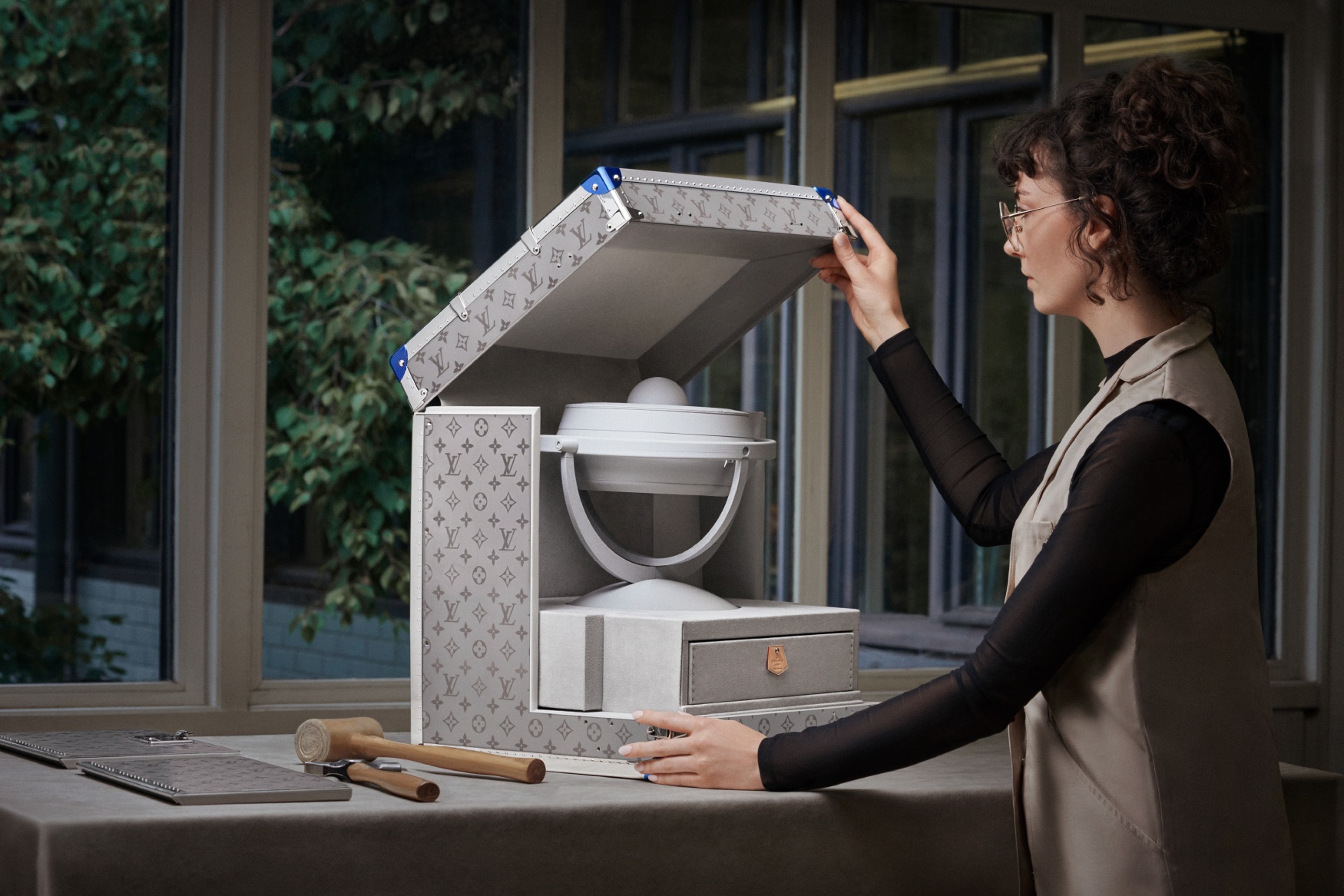
The Louis Vuitton × De Bethune LVDB-03 GMT Louis Varius watch is limited to 10 pieces, whereas the LVDB-03 Sympathique Louis Varius clock is limited to just 2 pieces. Each of these two clocks comes with one of the watches, as well as a bespoke titanium Louis Vuitton trunk inspired by the Maison’s “Trophy Trunks”. Price: €375,000 (watch only), €4,000,000 (watch + clock + trunk)
Brand
Louis Vuitton × De Bethune
Model
LVDB-03 Louis Varius Project
Reference Number
WATI11 (LVDB-03 GMT Louis Varius, i.e. the watch)
Q1TA10 (LVDB-03 Sympathique Louis Varius, i.e. the clock)
Case Dimensions
45mm (D) x 14.05mm (T) (watch)
310mm (W) x 266 mm (D) x 260mm (T) (clock)
Case Material
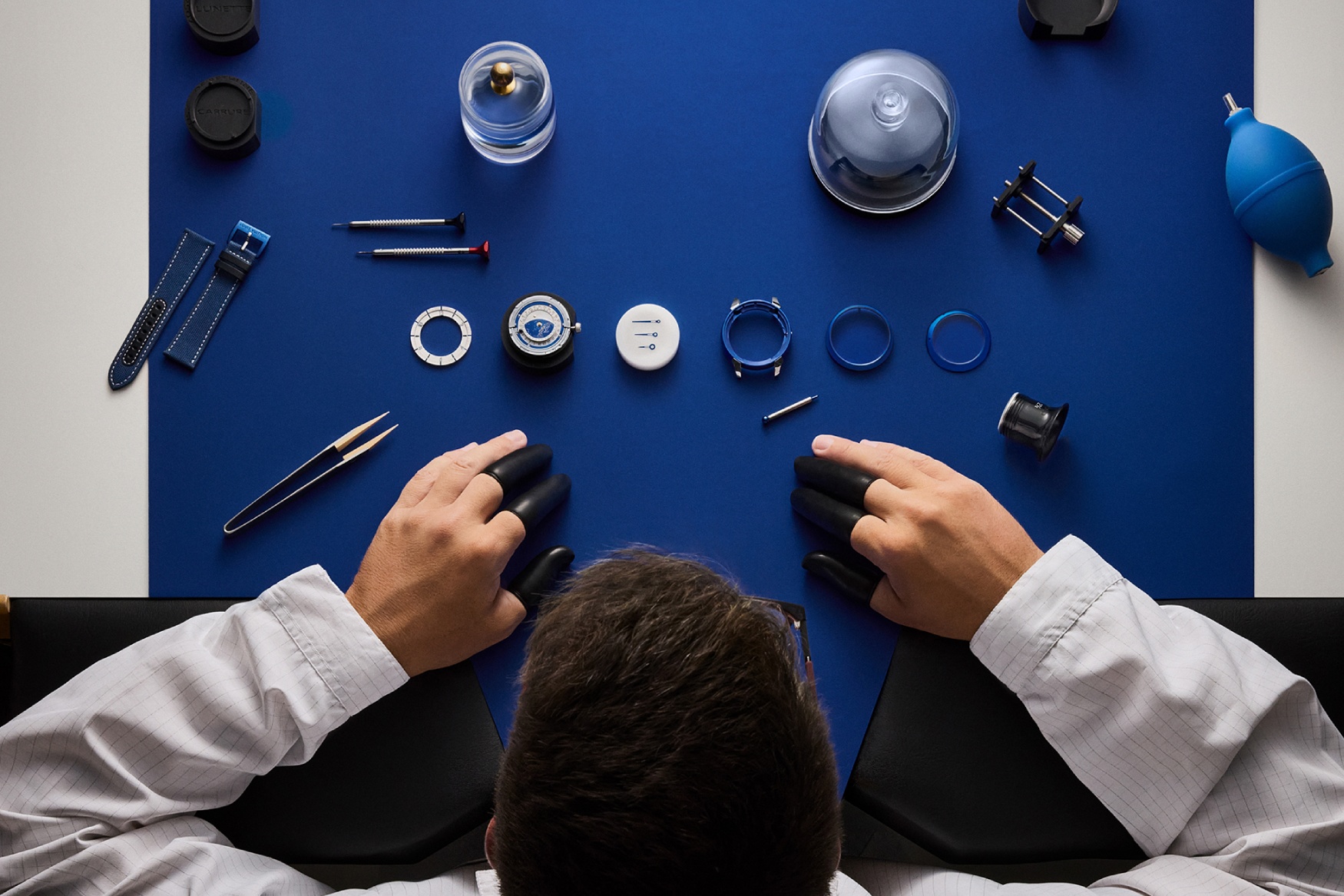
Blued titanium, platinum and titanium (watch)
Titanium case, meteorite marquetry (clock)
Water Resistance
30 metres (watch)
Not water resistant (clock)
Crystal(s)
Sapphire front and back (watch)
N/A (clock)
Dial
Blued titanium with 18k gold elements (watch)
Glass with titanium elements (clock)
Lug Width (watch only)
21mm
Strap (watch only)
Two straps provided: blue fabric with grey edging and black leather lining + extra-soft cognac alligator with alligator lining, tone-on-tone stitching, both with polished and blued titanium buckle, polished titanium tongue with double
Louis Vuitton/De Bethune signature
Movement
DB2507LV, in-house, manual-winding (watch)
DB5006, in-house, manual-winding (clock)
Power Reserve
5 days (watch)
11 days (clock)
Functions
Hours, minutes, GMT, day/night indicator, jumping date, sympathique (watch)
Hours, minutes, rotating disc animation, sympathique (clock)
Availability
Watch limited to 10 pieces, clock limited to 2 pieces, clock includes watch + trunk
Price
€375,000 (watch only)
€4,000,000 (watch + clock + trunk)