
PUBLIC SPACES AS PLACES OF ENVIRONMENTAL ACTION
Behaviour does not happen in isolation. It is shaped by place.
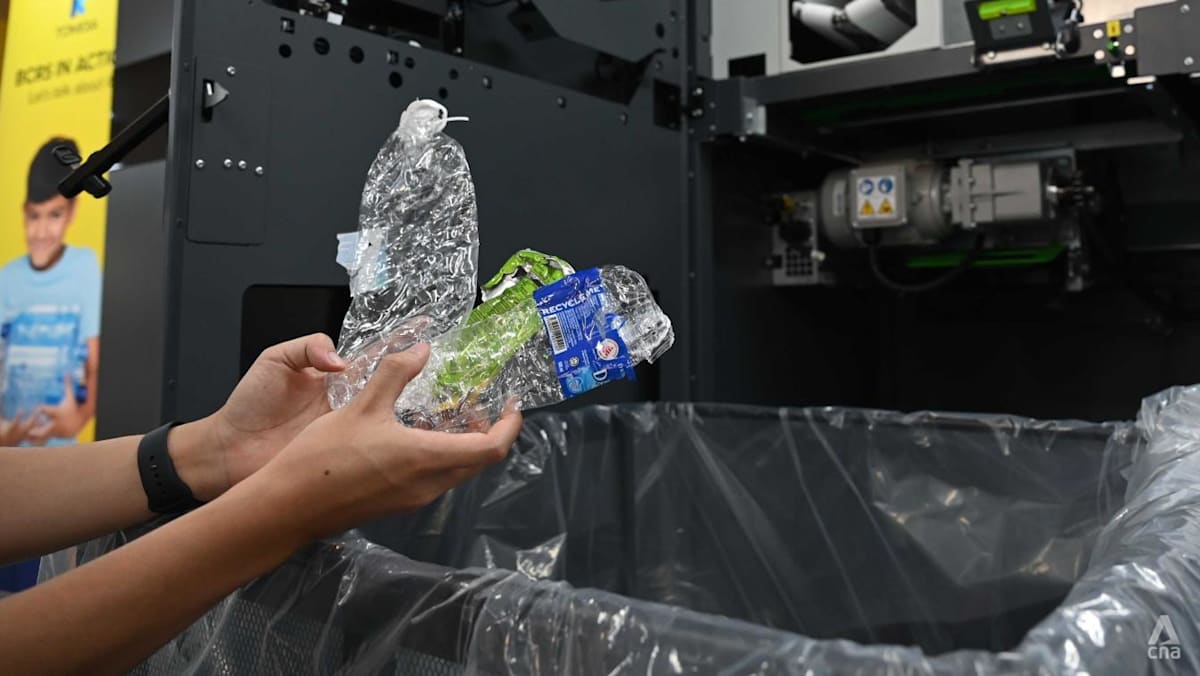
For Singapore’s scheme to be successful, beverage container return points must be conveniently and conspicuously located. About 1,000 reverse vending machines will be installed at supermarkets, void decks and town centres.
When infrastructure fits daily movement, participation rises without the need for reminders or enforcement. Visibility matters as well – seeing others return containers reinforces the idea that it is normal behaviour. Recycling shifts from a private household task to a shared public practice.
For any public scheme to become a shared civic practice, it must also feel fair.
If returning containers is easy only in certain neighbourhoods, or if machines are difficult to use for some groups, participation will naturally be uneven. Environmental responsibility should not depend on having more time, familiarity or access than others.
Policymakers can support more inclusive implementation by monitoring where participation is lower across neighbourhoods or demographic groups. Rather than reacting after problems emerge, they can adjust infrastructure placement, communication or outreach in response to real usage patterns.
This shifts policy from static rollout to adaptive learning. It also helps ensure that environmental citizenship remains a collective expectation, not an uneven burden.
Aggregated and anonymised data not only informs policy decisions, but when communicated with the public, goes a long way in building trust.
People are more willing to accept small inconveniences when they understand the purpose behind a policy and can see its outcomes. Transparent reporting on return rates, environmental benefits and how recovered materials are reused can reinforce public confidence that individual actions matter.