
“That was it, it was finished, it was over,” a young woman named Sarah said about the moment doctors finally stopped frantically trying to save her daughter’s life. Just over a decade ago her beloved Zoe was one of three babies who died at the Countess of Chester Hospital over one two-week period. And of course it was far from over. Along with unimaginable grief came the arrest and conviction of the nurse entrusted with Zoe’s care.
It is not difficult to understand the power of this story. Gut-wrenching parental grief and a sweet-seeming nurse whose murder conviction meant she eclipsed Myra Hindley and Beverley Allitt as modern Britain’s most prolific child killer. With fresh questions about the safety of her conviction, the story has taken another twist.
Lucy Letby: The Nurse Who Killed and Lucy Letby: Did She Really Do It? are among at least six documentaries about the case broadcast in the past three years. Often big British stories are clunkily served by Netflix (such as its 2022 Jimmy Savile documentary), but in The Investigation of Lucy Letby the director Dominic Sivyer for the most part told the story judiciously, carefully counterweighing each viewpoint. Lawyers, you sensed, were watching.
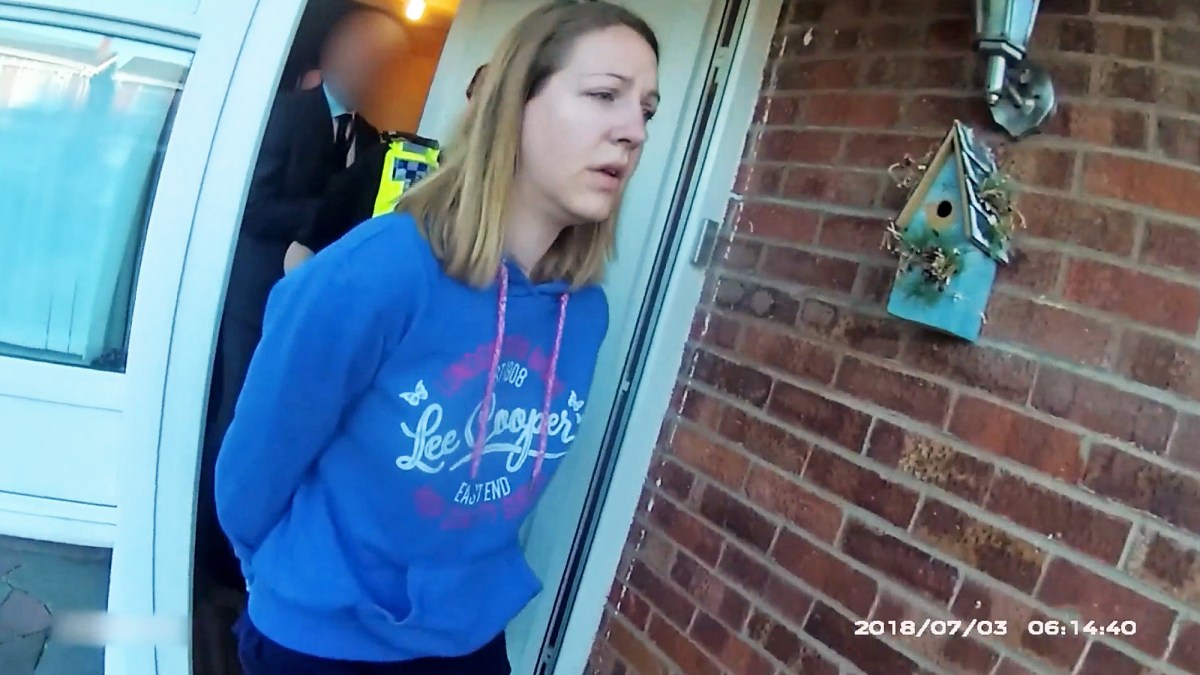
Some elements were familiar to modern-day documentary watchers: cutaways to hospital corridors, set-ups of people taking phone calls you felt had no one on the other end. Another common feature these days is bodycam footage, which gave this programme its coup: raw film of police visits to Letby’s Herefordshire home and her arrest. The jolting images of Letby’s ashen face, teddy on her bed, tearful goodbyes to her cat and — most starkly — the primal howling of Letby’s mother as her daughter was handcuffed and led away were undoubtedly powerful.
Letby’s parents feel their privacy has been invaded and you can see why. At least this film digitally anonymised Sarah’s face, protecting her identity while allowing for her expressions of pain as she stoically delivered her moving testimony.
The first half efficiently outlined the police case and conviction while the later sequences responded to a bombshell new report from the Canadian neonatologist Shoo Lee citing alleged flaws in the prosecution case. When, in archive footage, Dr Lee was introduced by the campaigning MP David Davis at a press conference he called him “the star of today’s show”. A star? A show? Sarah, again not unreasonably, found the choice of words “disgusting”.
Happily the documentary didn’t ruminate on Letby’s possible motives. But however slickly it was put together it couldn’t help but indulge in other slightly sensationalist or speculative moments. This includes the opinionated yammering of the social media masses as well as the observation from a reporter who covered the trial that Letby did not look “visibly upset” as evidence was presented. Inferences such as this don’t add or teach us anything.
Letby’s friend “Maisie” (a nurse who trained with her and was also anonymised) expressed disbelief that she could kill and read a heartfelt letter from her imprisoned former colleague. Again, a genuine reaction, but a highly subjective one.
This film had all the excellent footage (including police interviews) and the exclusive sit-downs you might want, but contained little that is not in the public domain. And while it will no doubt intensify the fascination with the case, perhaps right now the most important question is whether a Netflix documentary is truly the appropriate forum for discussing this? Or is it the Court of Appeal?
★★★☆☆
On Netflix
Love TV? Discover the best shows on Netflix, the best Prime Video TV shows, the best Disney+ shows, the best Apple TV+ shows, the best shows on BBC iPlayer, the best shows on Sky and Now, the best shows on ITVX, the best shows on Channel 4 streaming, the best shows on Paramount+ and our favourite hidden gem TV shows. Don’t forget to check our critics’ choices to what to watch this week, and browse our comprehensive TV guide