
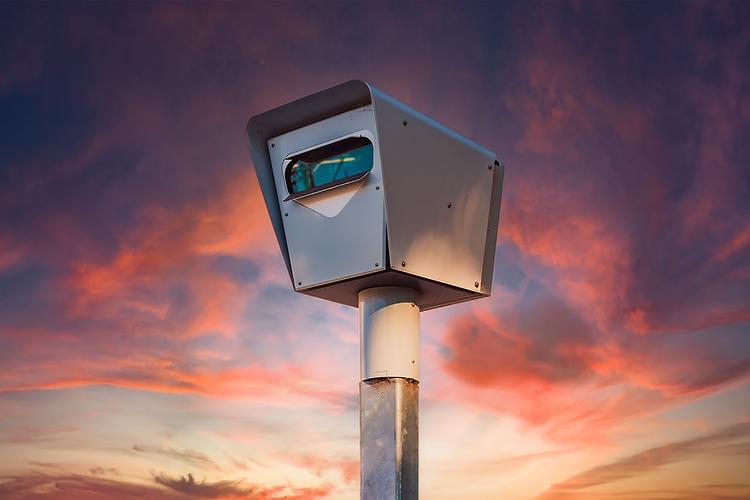
A criminal lawyer has warned that AI traffic cameras used nationwide are issuing incorrect infringement noticesThe Key Details
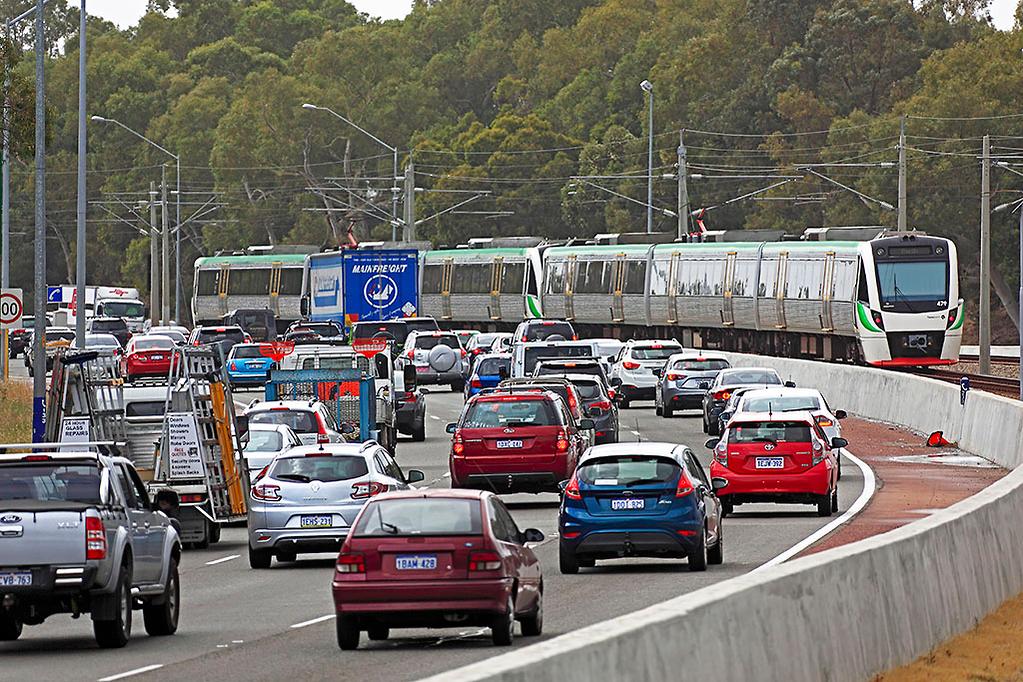
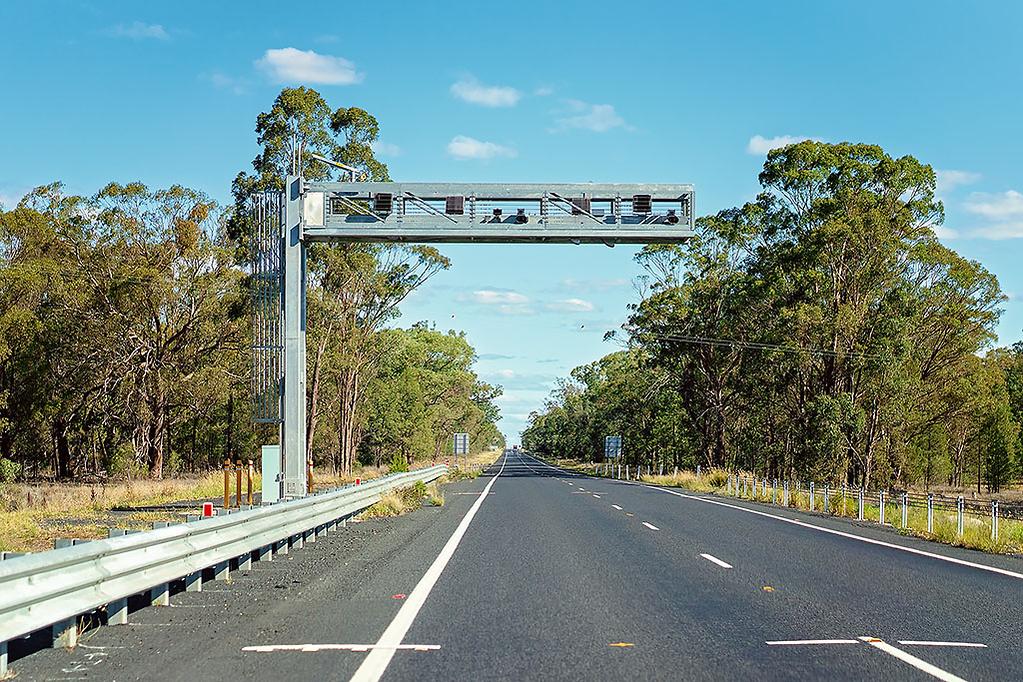
AI cameras now active in all Australian states
Lawyer reports repeated misidentification of objects as mobile phones
Authorities claim human review occurs before an infringement notice is issued
Court challenges to AI-based fines are increasing
Drivers can request an internal review via state-based roads authority before heading to court
 The Finer Details
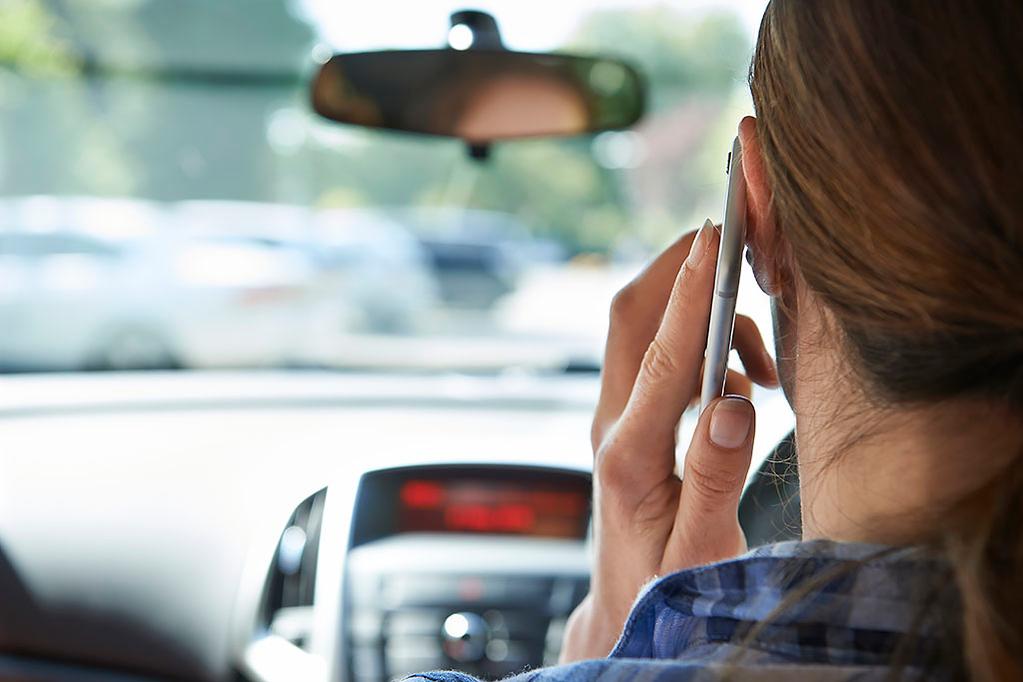
Astor Legal’s criminal lawyer Avinash Singh claims the new technology, which was switched on across the country mid-last year, is issuing false detections, particularly for alleged mobile phone offences.
That’s a crime that could land you a fine of more than $1000 depending on the state.
Singh said the AI tech is failing to reliably distinguish between phones and common objects.
“AI cameras are notoriously unreliable at detecting mobile phone use in particular. This is because the technology often mistakes other objects for mobile phone cameras,” Singh said.
“Some examples from recent cases we have acted in include wallets, glasses cases and battery packs.”
State transport departments state that when AI flags a potential offence, the image is then subject to human review and “checked and verified by qualified independent officers”.
However, Singh believes there is “no way of confirming this,” adding that it “makes the issue all the more troubling given the vast number of false detections that are issued.”
According to Singh, AI-generated infringement notices are being challenged more frequently but the outcomes often depend on whether the prosecution can prove the allegation beyond reasonable doubt using the AI-captured image.
“To challenge an AI-based detection, the fine first needs to be elected to court without being paid,” Singh said.
“The case will then be set for a hearing, where the driver should have a criminal defence lawyer appear for them to present evidence and argue why the prosecution cannot prove beyond a reasonable doubt that the AI-based image shows a mobile phone.”
However, drivers can request a review from their state-based roads authority, such as Vicroads or Transport for NSW.
 Avinash Singh
According to the NSW road authority, you can request a review of a fine (fine notice, fine reminder notice or overdue fine) if:
you believe a mistake has been made, or
there were special circumstances that led to the offence
The website states you could be let off with a caution, the fine may be cancelled, or it might stick after the review.
“Revenue NSW will consider your personal situation and any special circumstances that resulted in you receiving the fine,” reads the website.
In Victoria, it’s a similar process – see the Fines Victoria website for all the details on requesting a infringement review.
We asked around the office and got a telling example: one colleague’s brother was fined for “holding his phone” on the Hume Highway in NSW. However, he was holding his sunglasses case, not a phone.
The AI camera flagged it as an offence, but when he reviewed the images on Revenue NSW’s website, he clearly identified that it was not his phone. He successfully contested the circa-$400 fine by requesting a review and submitting photos of the sunglasses case along with his car’s smartphone holder mounted to the air vent – which shows where the phone is located.
The fine was dropped.
According to Singh, not everyone will achieve the same result.
“A review can be requested but this is usually only successful if the driver has a clean driving history for the past 10 years,” he said.
 The Road Ahead
With courts seeing more challenges to AI-based detections, state authorities may face pressure to provide clearer information about review processes and error rates.
Increased scrutiny of the technology is expected as more drivers dispute the accuracy of their fines.
AI ‘slop’ more broadly has become a problem in today’s digital society and has created significant public distrust around AI. Artificial intelligence’s ability to identify objects and make decisions is clearly far from perfect.
Our team of independent expert car reviewers and journalistsMeet the team