
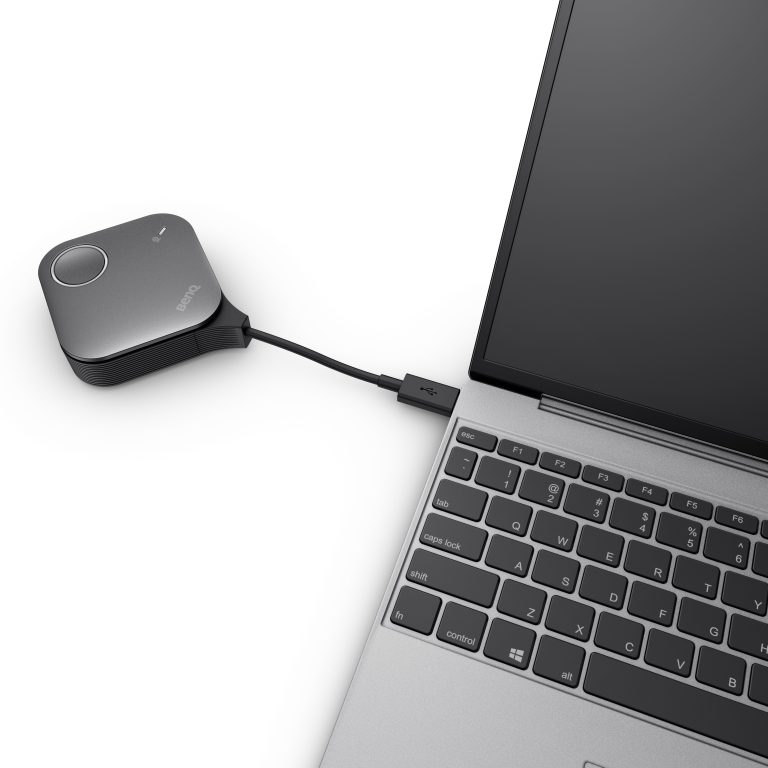
BenQ has added a new model to its InstaShow wireless conferencing range, unveiling the VS25 as businesses continue to grapple with hybrid meetings and device-heavy workplaces. The new system lifts image quality to 4K UHD while sticking closely to the simplicity that made InstaShow popular with IT teams, including screen sharing that works without apps, drivers or network access.
The VS25 is designed for meeting rooms where staff and guests bring their own laptops, tablets or phones. It supports up to 64 connection buttons in total, with four presenters able to share content on screen at the same time. The system works across common video conferencing platforms such as Microsoft Teams, Zoom and Google Meet, allowing in-room presentations to sit alongside remote participants without extra setup.
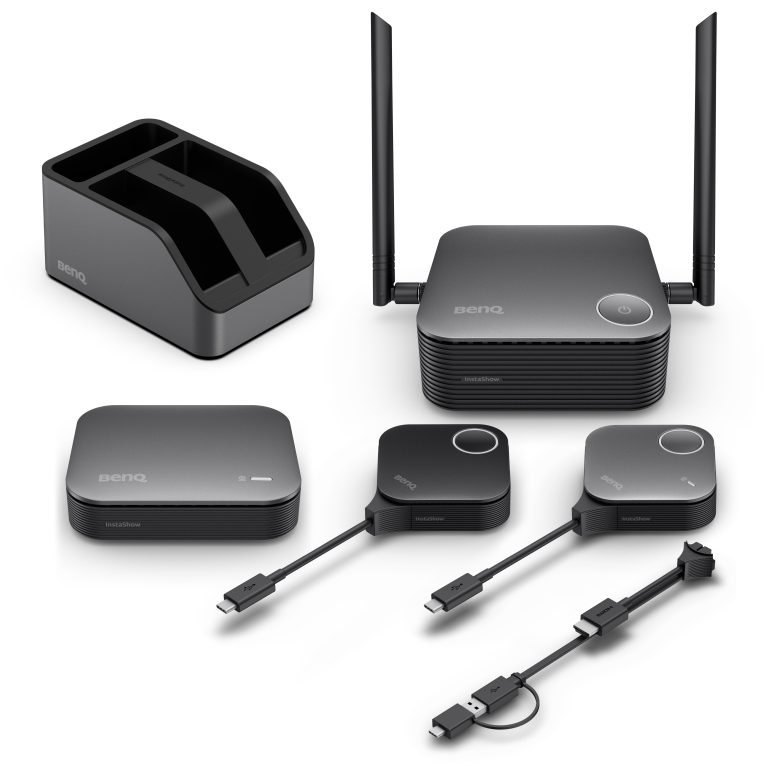
Wireless performance is a clear focus. The VS25 uses Wi-Fi 6 and includes native support for AirPlay, ChromeCast and Miracast, enabling content sharing from a wide mix of operating systems and devices. BenQ says the system maintains a smooth 4K image at 60Hz, even when multiple users are connected. Touchback control is also included, allowing presenters to interact with and annotate content directly from compatible interactive displays.
Rather than leaning into marketing language, BenQ is positioning the VS25 as a practical response to everyday meeting frustrations. Technical delays, incompatible devices and last-minute software installs remain common in shared meeting spaces, particularly when external partners are involved. By keeping the system self-contained and network-free, BenQ is aiming to reduce those friction points.
Security has also been addressed, with AES 128-bit encryption, WPA3 support and CVSS 4.0 certification built into the platform. The system is rated for a stable wireless range of up to 40 metres, making it suitable for larger boardrooms and training rooms.
In Australia, the InstaShow VS25 is priced at A$3199 and will be sold through BenQ’s distribution partners. The launch reflects broader shifts in how offices are being used, with meeting rooms increasingly expected to support fast transitions between in-person collaboration and virtual participation without technical hand-holding.