
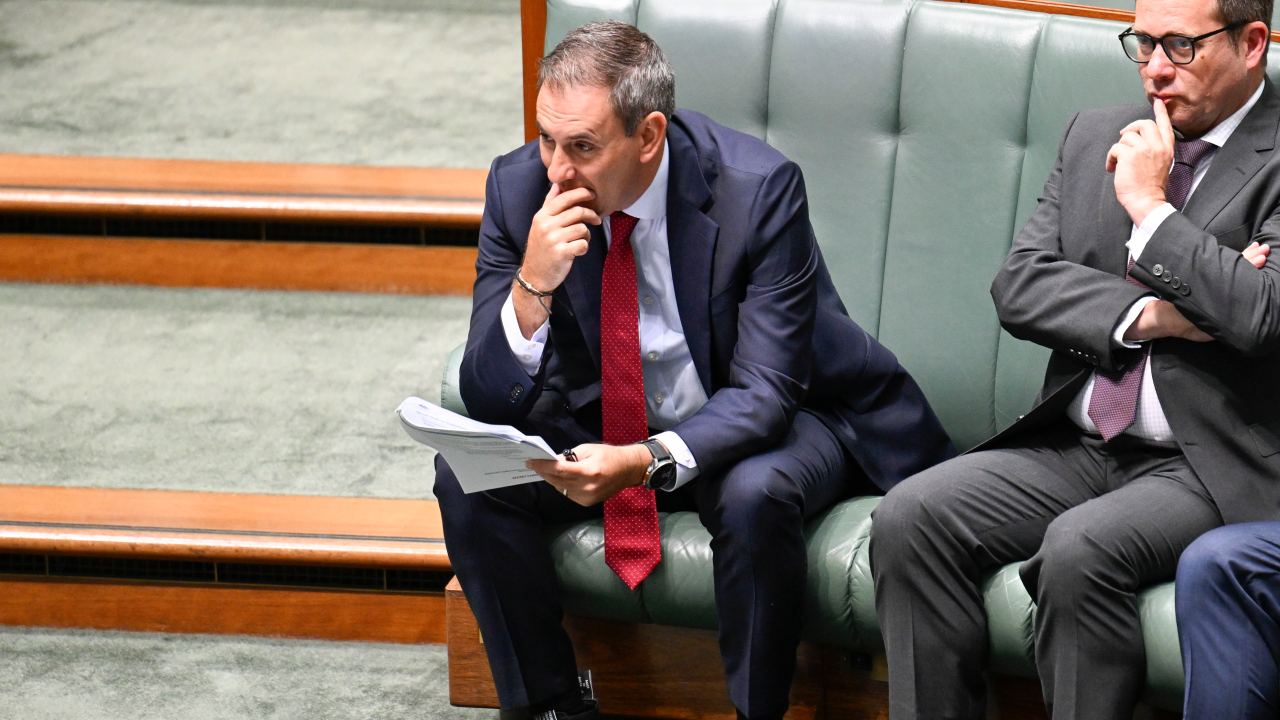
Treasurer Jim Chalmers’ economic abilities have been lashed by Nationals Senator Bridget McKenzie, after Australians saw rates increase a twelfth time under the Albanese government.
Rates have only fallen three times since 2022.
In Question Time on Thursday, Mr Chalmers admitted there were “challenges” facing the nation’s economy.
“Inflation last week and rates this week we’re important reminders of the challenges in our economy despite all of the progress that has been made together,” Mr Chalmers said.
However Nationals Senator Bridget McKenzie said it was his decisions that were to blame.
Speaking to Sky News, Ms McKenzie said it “Australians are rightfully concerned that Treasurer Chalmers is still in a job when every decision he makes, he’s not putting downward pressure on inflation and therefore we’ve got interest rates on the rise.”
Ms McKenzie said if Mr Chalmers were the Chief Financial Officer of a publicly listed company, he would no longer be employed.
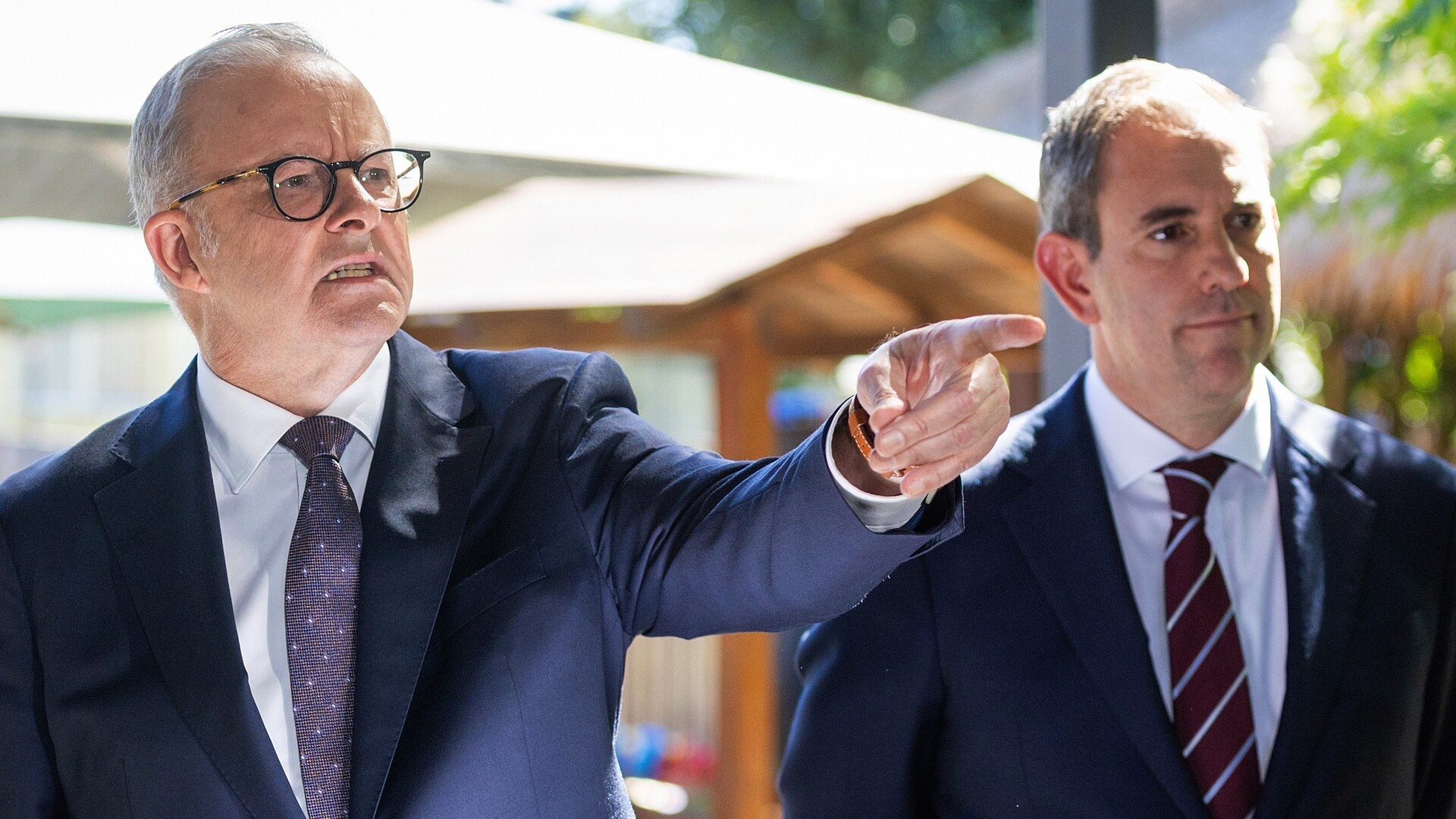
“If he was the CFO of a public company, he’d be sacked with these sort of results. So we need to do our job, obviously, because Australians are hurting,” she said.
“So the Nats are getting on with it. We’ve put inquiries into the Senate, we’re putting pressure in question time and we want to get on with the job.”
On Tuesday, the Reserve Bank of Australia has increased the cash rate by 0.25 per cent to 3.85 per cent in a unanimous decision by the central bank’s board.
For the average household, the 0.25 per cent rate increase will add about $100 per month to their loan.
In its pre-budget submission to Treasury, the Australian Chamber of Commerce and Industry called for Labor to cut spending by $50 billion a year, to pre-Covid levels, in order to tackle persistent inflation.
AMP chief economist Shane Oliver said “the best thing” for the government to do to bring down inflation would be to “cut government spending”.
“(Government spending) has boomed over the last six or seven years,” Mr Oliver told Sky News on Tuesday.
“You’ve got to go back to World War II to see public spending as a share of the economy around these levels.”