
Merely being in the top 10 isn’t enough; BYD wants “leadership”The News
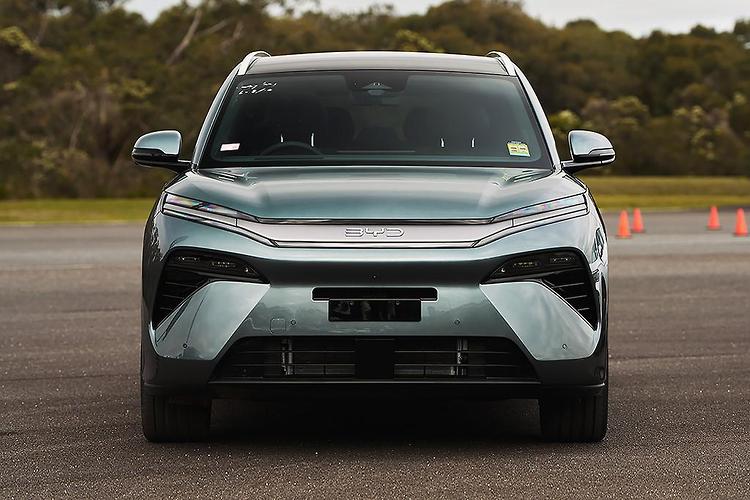
After a gangbusters 2025, BYD is looking to build on its momentum and morph from a challenger brand to an industry-leader. Announcing its 2026 roadmap, BYD’s local office says it will cement its place in the Aussie market with a wave of new products, new dealers, and new ways of growing its customer base.
The Key Details
BYD Australia planning more than new models for 2026
Growing fleet sales is a big priority
Dealership footprint set to expand by 50 per cent
Aftersales experience to improve, but warranty won’t change
The Finer Details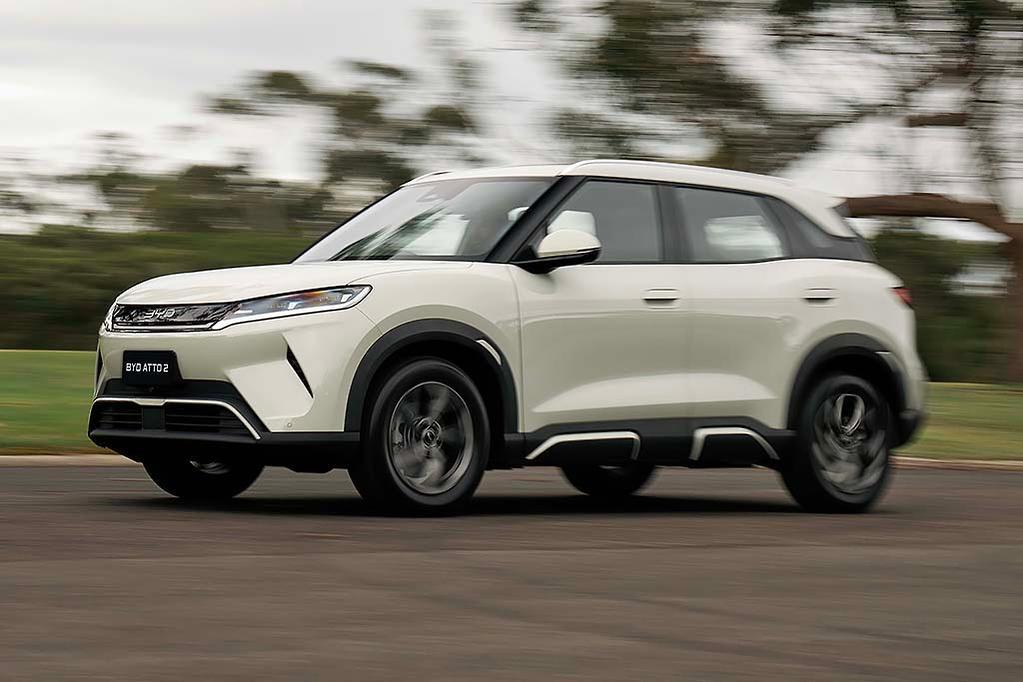 BYD Atto 2
But for BYD, the business plan is shifting as it guns for “leadership” status. Speaking to the media at the local launch of the new Sealion 5 and Sealion 8 SUVs, BYD’s Australian boss Stephen Collins said there was still scope to improve the brand’s appeal.
“Moving into 2026, we’re planning to change our mindset from a challenger brand to more of a leadership way of thinking and of doing business,” he said.
“It’s not rocket science – we’re going to build our brand, we’re going to keep this tsunami of new models coming, we’re expanding our dealer network, we’re going to grow our fleet opportunity, and we’re going to deliver a good customer experience.”
At least eight new models will expand the BYD Australia portfolio in 2026, with four – Atto 1, Atto 2, Sealion 5, Sealion 8 – having just launched.
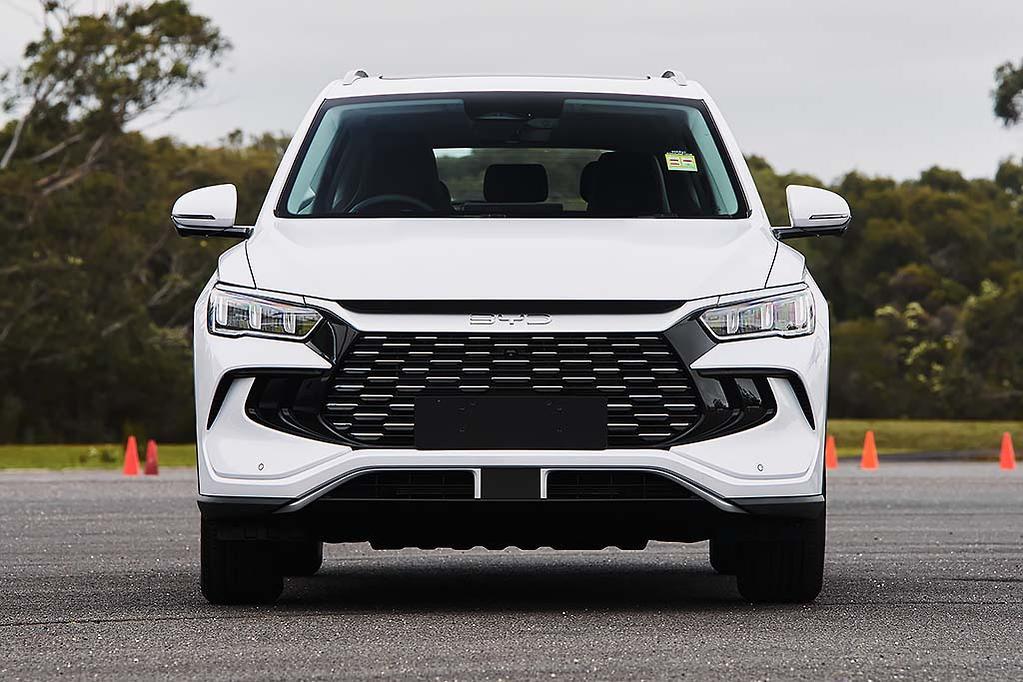 BYD Sealion 5
The empire will swell further with the imminent arrival of its high-end Denza sub-brand, however it’s understood Denzas aren’t being counted among the eight new models.
The Sealion 5 and Sealion 8 will both play an important role for BYD, with the former arriving as Australia’s most affordable plug-in hybrid (PHEV) and the latter being BYD’s first three-row large SUV.
However, the Sealion 5 is only expected to move around 600 units per month, with the Sealion 8 forecast to sell upwards of 1000 units per month; BYD’s currently holding around 1000 firm orders.
For the rest of 2026, the Sealion 8 is expected to become a core model for BYD Australia, alongside the Shark 6 and Sealion 7.
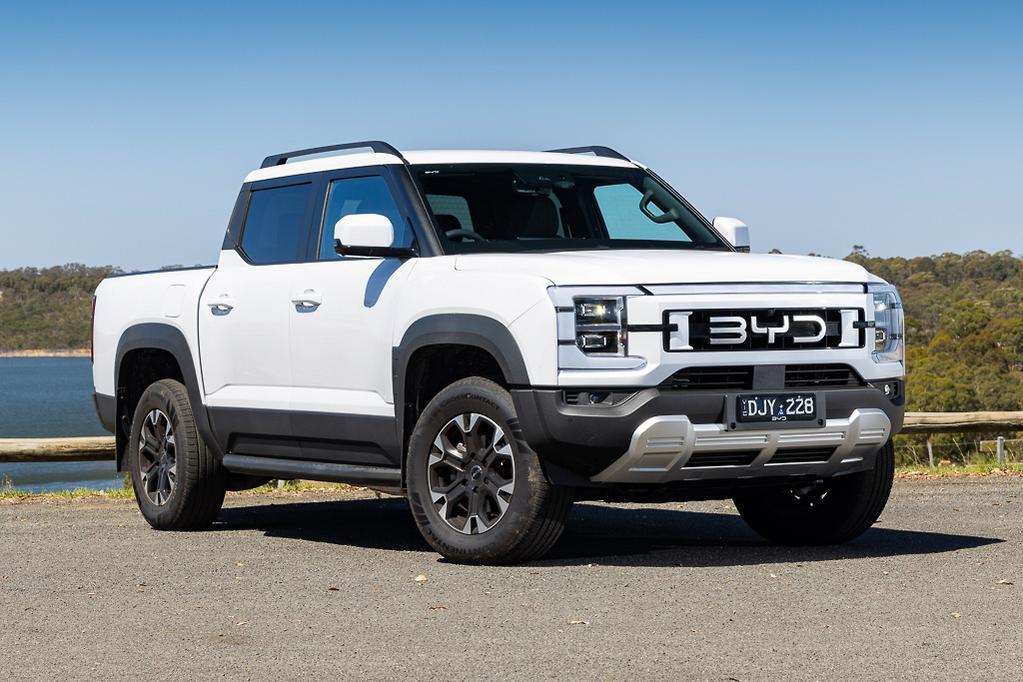 BYD Shark 6
While BYD declined to put a number against its goals for 2026, shifting substantially more metal than the 52,415 units is moved last year is obviously part of the plan.
To do so, the company aims to expand its dealer footprint from around 100 dealers right now, to roughly 150 by the end of the year.
BYD has also set up a division to establish a toehold in the fleet space. With business fleets currently only accounting for around 16 per cent of its sales mix versus an industry average of around 35 per cent, the brand’s keen to improve its fleet fortunes.
The arrival of the Shark 6 cab-chassis will likely form a central part of that strategy, though its SUV portfolio will likely find favour among fleet buyers too.
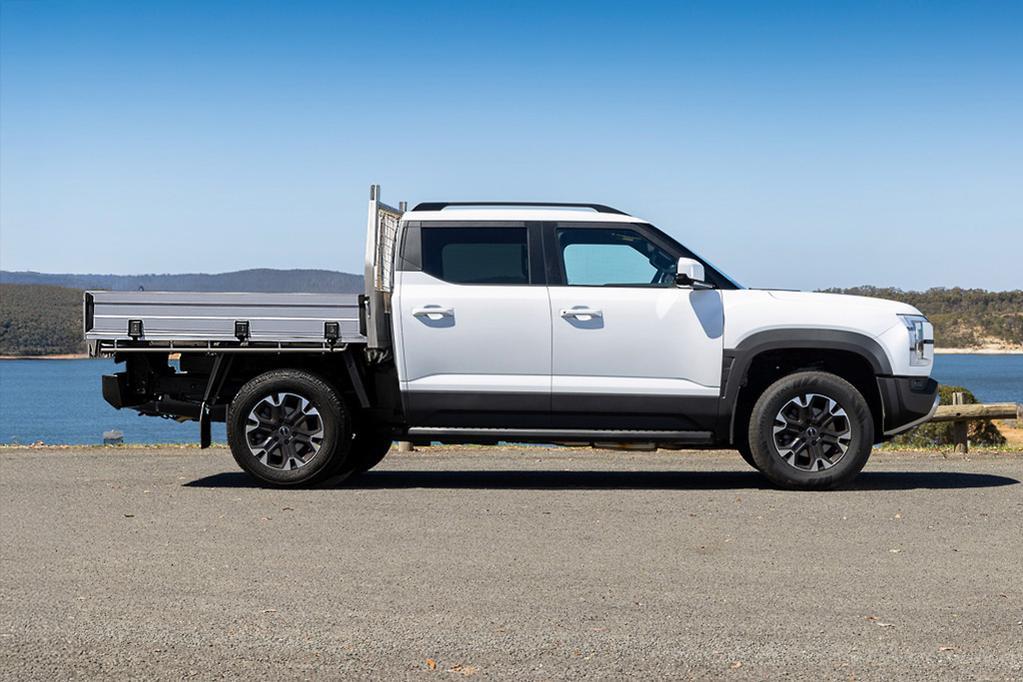 BYD Shark 6 cab-chassisThe Road Ahead
Less than two months into the year, BYD has already launched half of the eight new models it’s promised for 2026.
It’s certainly hit the ground running, and with one of those projected to become a core product for the brand, it seems obvious the Chinese brand is on a path to exceed its 52,000-unit 2025 sales tally.
But its competitors aren’t staying static either, and stratospheric growth is always easy when you’re coming off a low base – something that certainly applies to BYD given it only entered the Aussie market in 2022.
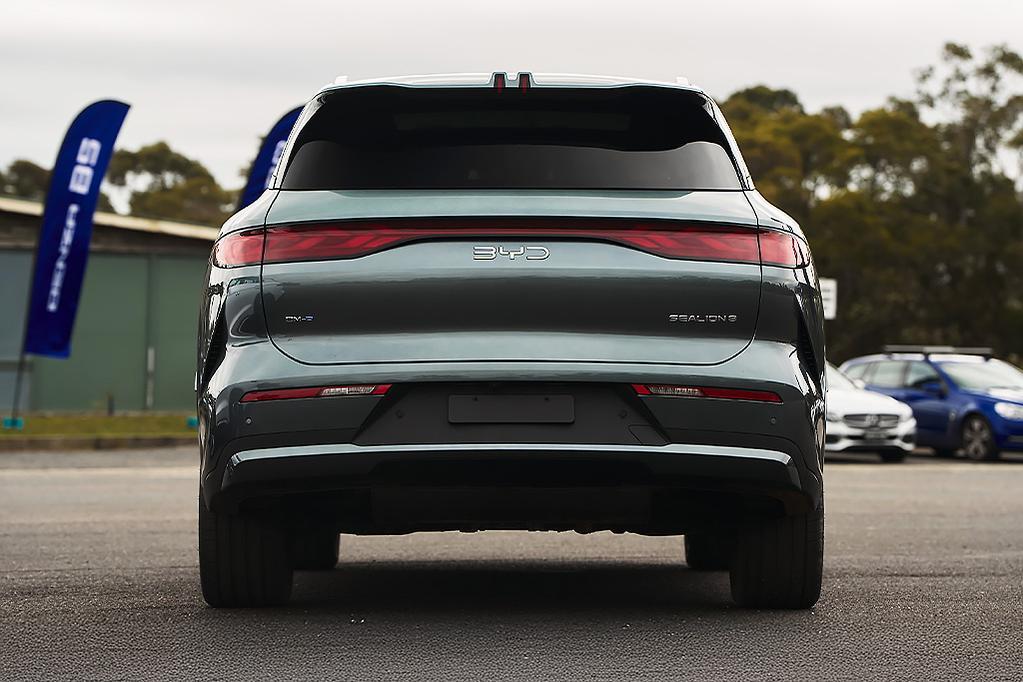 BYD Sealion 8Our team of independent expert car reviewers and journalistsMeet the team