
For three years, the AI category has been a branding wasteland. Every company looks the same, sounds the same, and pivots so frequently that even they’ve lost track of what they’re selling.
OpenAI becomes ChatGPT becomes GPT-4 becomes Canvas becomes whatever Sam Altman dreamed up last Tuesday. Google kills Bard, resurrects it as Gemini, then pretends nothing happened. Anthropic launches Claude 3, then 3.5, then sprinkles in Opus and Sonnet variants like a sommelier who can’t commit to a grape.
Ask a civilian which AI tool they use and you’ll get a blank stare. They’re not wrong to be confused. When every company offers chat, analysis, coding, and image generation on strikingly similar platforms, differentiation becomes impossible. There are too many billion-dollar players, bleeding too much mega-money, for that genericism to be sustainable.
But the first shards of genuine differentiation are finally emerging. And here’s the delicious irony: it’s happening because OpenAI is running out of money.
ADVERTISEMENT
The company’s desperate pivot to advertising, announced in January to widespread industry bewilderment, has handed competitors their first real positioning opportunity. Someone had to take it. Anthropic just did, with both hands and a couple of big-budget Super Bowl ads.
The campaign, created by Mother, is the first piece of effective brand strategy the AI category has produced. Forget feature lists. Forget vague promises about superintelligence. This is actual positioning.
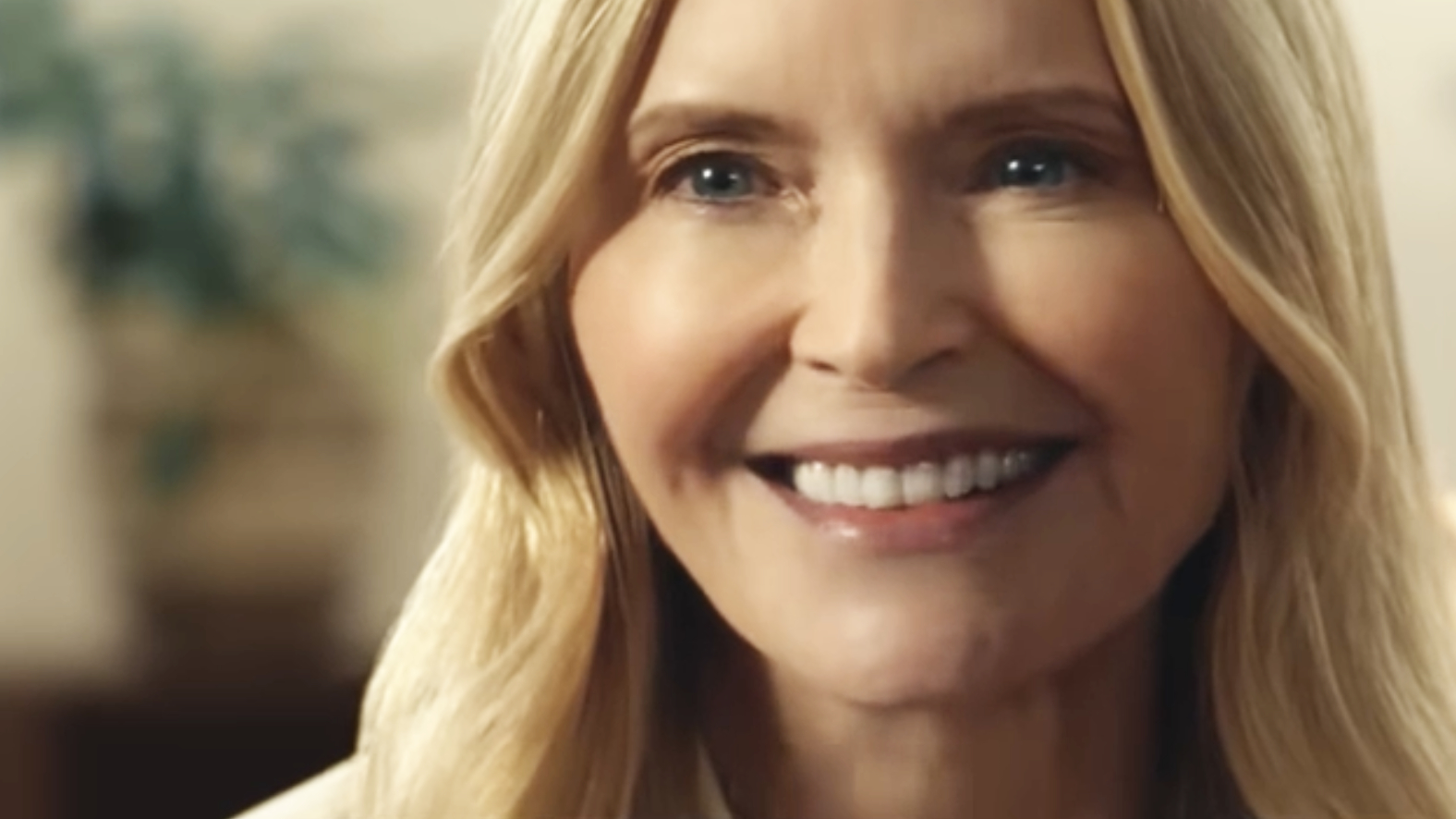
The execution is brutally simple. A series of vignettes show OpenAI’s new advertising model in action: a teenager researching how to get six-pack abs is sold heel lifts, an entrepreneur asking about her business plan is offered low-price finance and – best of the lot – a man trying to better connect with his Mum is offered the chance to join “Golden Encounters,” a website where young men can meet “roaring cougars.”
Each time, a clever sonic asset sampled from Dre’s “What’s the Difference” thumps the point home as the tagline punches out: “Ads are coming to AI. But not to Claude.”
The production is flawless. Mother has crafted something that feels more like a tech drama than advertising. The cinematography is cold, clinical, slightly dystopian. The acting is understated, making the emotional violation that ultimately occurs feel all the more acute. Best of all, the campaign has legs — this could be the start of a series.
This is textbook “versus” positioning—a strategy where you define your brand not by what you are, but by what you oppose. It’s one of the oldest and most powerful plays in the marketing handbook.
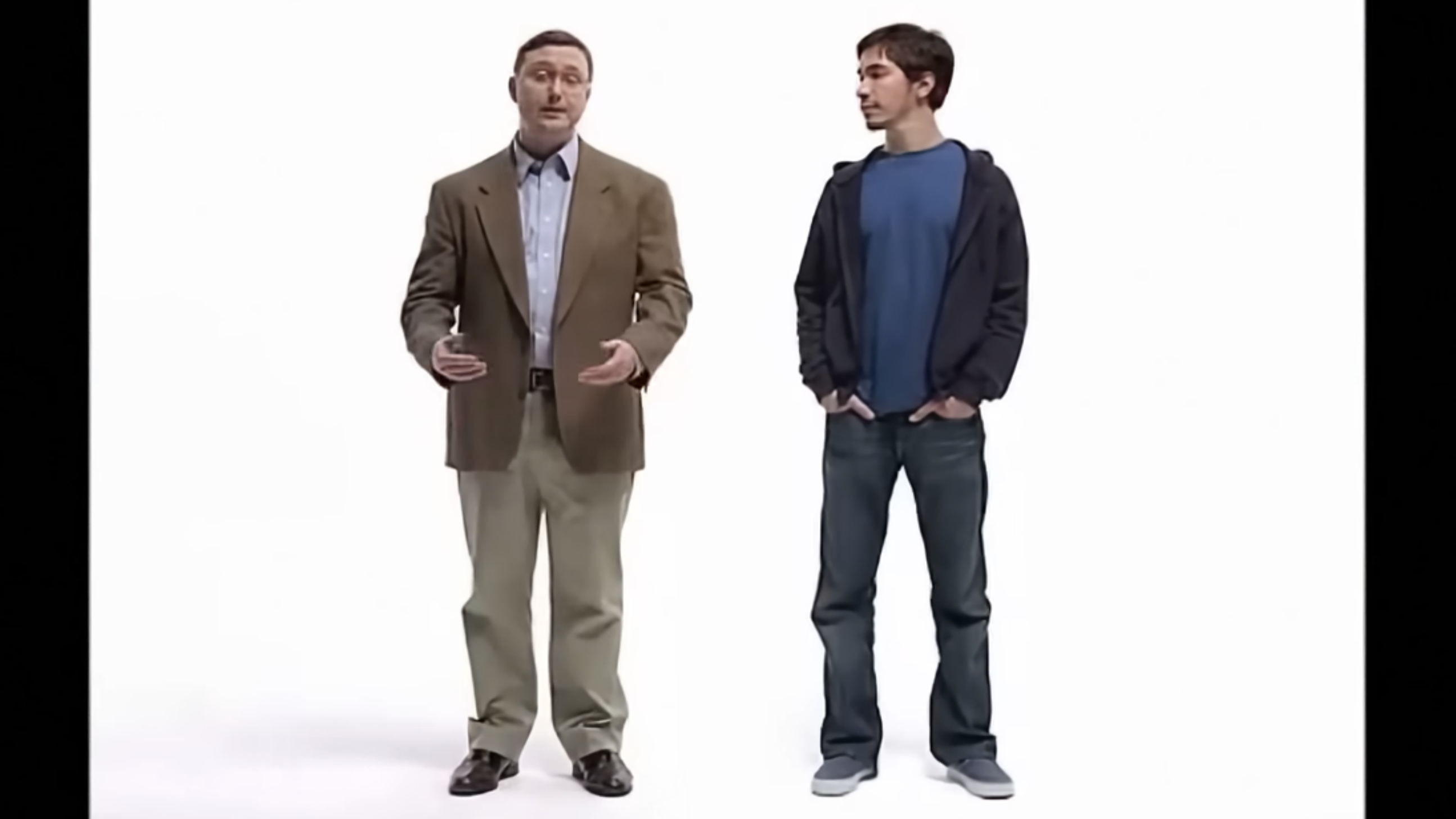
I’m a Mac: The ads ran from 2006-2009
Avis didn’t just claim to be good; they claimed to “try harder” because they weren’t the complacent number one. Apple’s “I’m a Mac” campaign positioned PCs as stuffy, corporate, and virus-ridden—and themselves as the opposite. You communicate your values by contrasting them with someone else’s failures and hope the consumer is paying attention.
The versus approach to positioning makes particular sense here because Anthropic’s founding team literally walked out of OpenAI five years ago. Dario Amodei and his sister Daniela left over disagreements about safety and commercialization. They know exactly what they’re positioning against because they helped build it. Their opposition isn’t confected in a boardroom. It’s lived.
Claude’s campaign positions OpenAI as venal and untrustworthy. By opposition, Claude appears more human, more honest, more aligned with users. It’s a sophisticated move that sidesteps the category sameness issue entirely. You’re no longer choosing between functionally identical AI features. Claude has moved two rungs up the benefit ladder: the consumer is now choosing whether they want technology that serves them or sells them out.
The campaign also avoids the classic versus trap of contagion. Unlike Pepsi’s attack ads featuring Coke’s polar bears — also lined up for this year’s big game — it doesn’t bring competitor assets to mind. You never see the ChatGPT interface. You never hear OpenAI’s name. The attack is conceptual rather than visual, which means Anthropic doesn’t spend eight million dollars giving their competitor a big slice of free brand recall.
But — and there’s always a but — this Claude campaign is too light on Claude itself.
The branding arrives in the final three seconds. That’s not good enough in an era where we need seven distinctive assets to make sure the consumer knows who is advertising. We don’t see Claude’s interface. It’s spiky orange presence. The spot makes a brilliant argument against advertising-funded AI but barely brands Claude as the exception. The first brutal rule of advertising is that they must know that it’s you. Ideally from the very first frame. And then throughout.
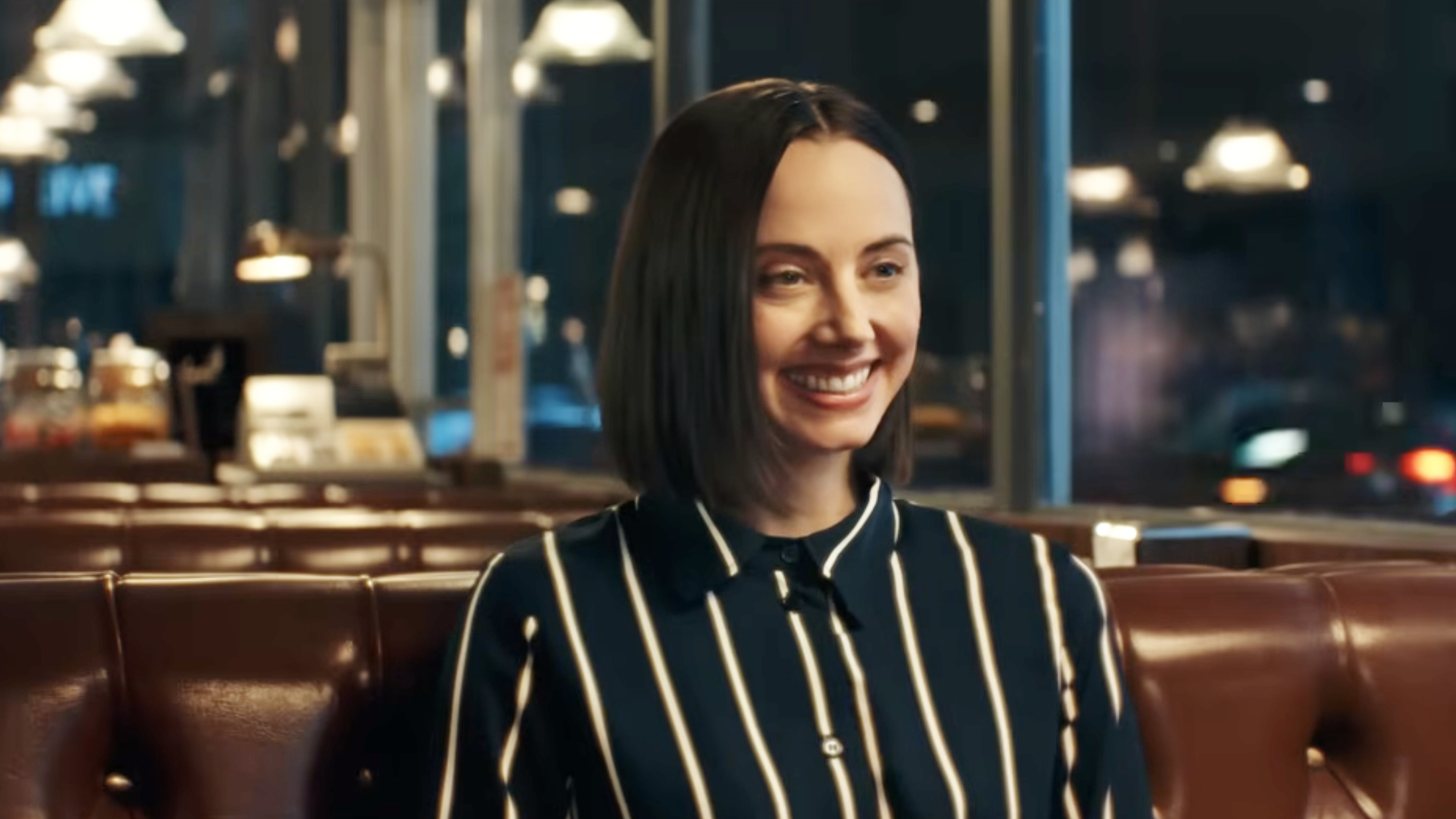
The Super Bowl spots: Great ads, but light on Claude
This can be the paradox of great versus positioning: you become so focused on what you’re against that you forget to show what you’re for or who you are. The campaign establishes that some AI brands have principles. I’m sceptical how many consumers, a day after the game, will remember it was Claude. Always remember that Ipsos keep finding that half the brands advertising at the Super Bowl gain less than 1% branded recall for their big ads a day later.
Still, this is the first time an AI company has done actual brand strategy rather than feature listing, vague promises, and another bloody product upgrade. In a category drowning in sameness and leaking billions – where the biggest brands have spent fortunes achieving near-perfect indistinguishability – that alone makes this a remarkable campaign. And surely one of the most enjoyed ads when Sunday comes along.
The AI wars just got interesting.
Mark Ritson is a marketing professor and columnist. Unlike the more noble Claude, he will interject ad messages into his content and tell you that the MiniMBA in Marketing kicks off April 7th and applications are now—this is true—at record levels. Still room for you to join.