
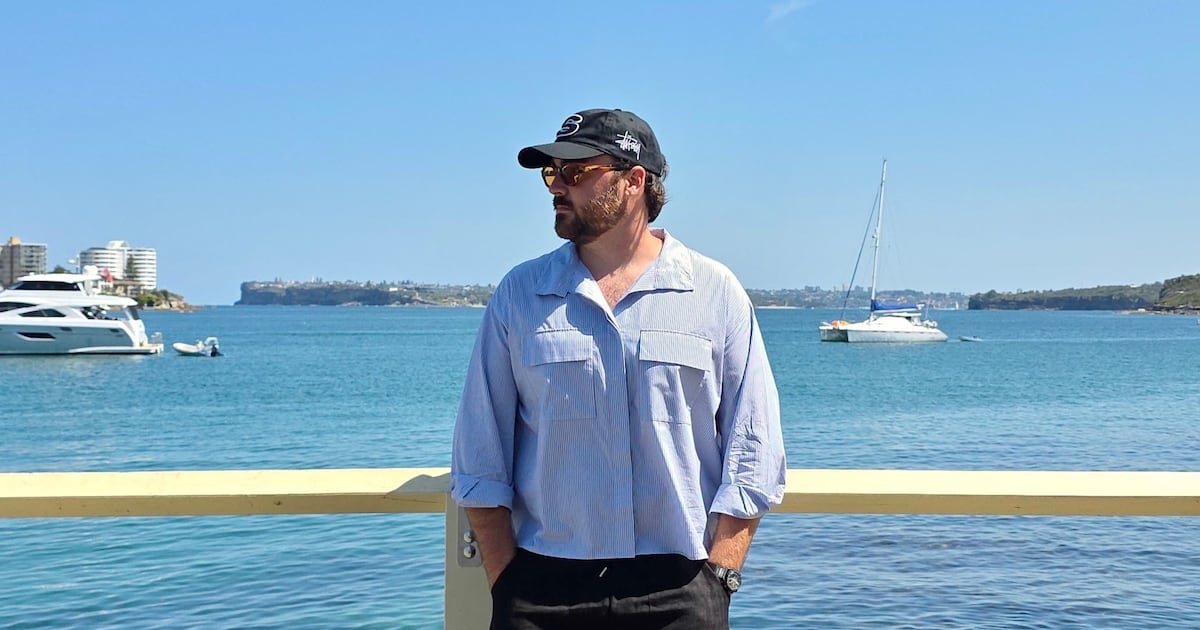
I grew up in Lucan in west Dublin. It was very typical suburban Dublin. We lived in a cul-de-sac, in a housing estate.
I was always creative growing up, always into any kind of visual art: drawing, painting and making things out of Lego. Photography started as something like that. I never thought of it as something that was going to become my career.
I spent almost every day up at the skate park, which is two minutes from my house. Some of the older kids were into making videos of their skate tricks. Naturally, I wanted to do what they did. My dad had a loan of a camcorder from work, so I borrowed that and made a few videos. I was really into it. It just started as a hobby. It didn’t turn into a professional thing until I was 14, and a Dublin rapper offered me €50 to make him a music video. I’d never been paid for anything before in my life. It was a sunny day, my dad drove me to Grand Canal Dock, and I just made up shots as we went along.
I practised a lot after that, and I became obsessed with shooting music. I used to go on to the MCD listings, and I’d sit there for hours just e-mailing every single act that was coming to Dublin.
Nobody responded for ages, but when I was 15 Macklemore’s manager responded, saying that I could come make a video. Macklemore was a nobody at the time. He was just coming over to play an in-store at Tower Records and a gig at the Academy.
A few weeks after I shot a video at his gig in Dublin, Thrift Shop came out, and overnight, he became one of the biggest stars in the world. So all of a sudden, I could send out an email saying “I just worked with Macklemore”. I never told anyone that I was 15. I was relentless. I shot the first-ever video of James Bay’s song Let It Go which got millions of views. After that, publicists started reaching out to me.
Around the time I did my Leaving Cert, the record labels all changed their policies around filming live sessions with artists. They started demanding ownership of all the videos, and it became unfeasible. I decided to go all in on photography instead. I started reaching out to festivals for photo passes, and I ended up being better at still photography than I was at video.
I was around 20 when I went on my first tour. It was with Niall Horan. He’d come out of One Direction, and he wanted to do things his own way. The people he hired to be in his band were all lads, around my age or just slightly older. It was their first time going on a tour as well. It felt like a gap year. That first year, we did all of Europe, and we went to most of the states in America.
One thing leads to the next, and now I’ve worked with some of the biggest names in the entertainment industry, people like Drake, Dua Lipa, Hozier, Lewis Capaldi, and Kendrick Lamar.
My images have appeared on billboards in Times Square, on the cover of Rolling Stone, on album covers, anywhere and everywhere.
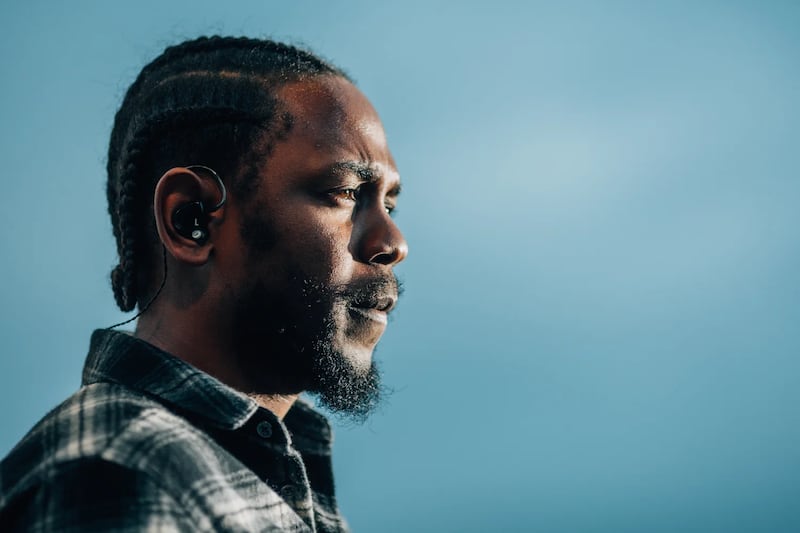 Kendrick Lamar. Photograph: Christian Tierney
 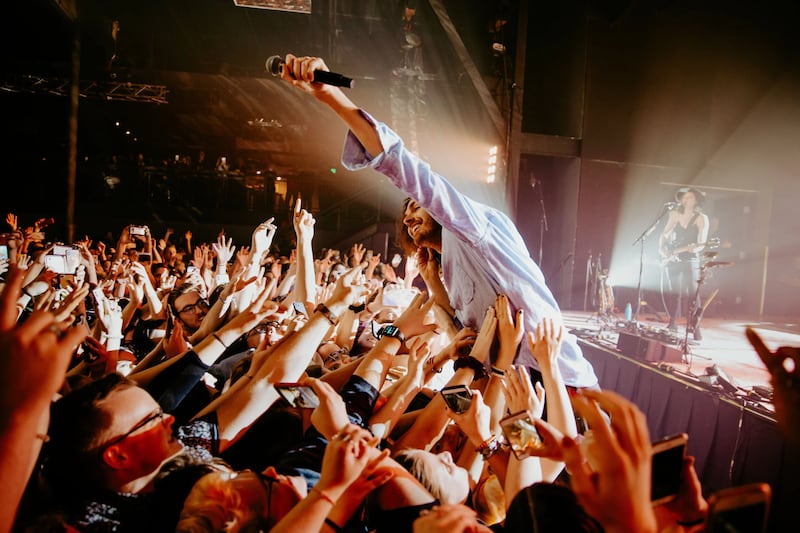 Hozier. Photograph: Christian Tierney
 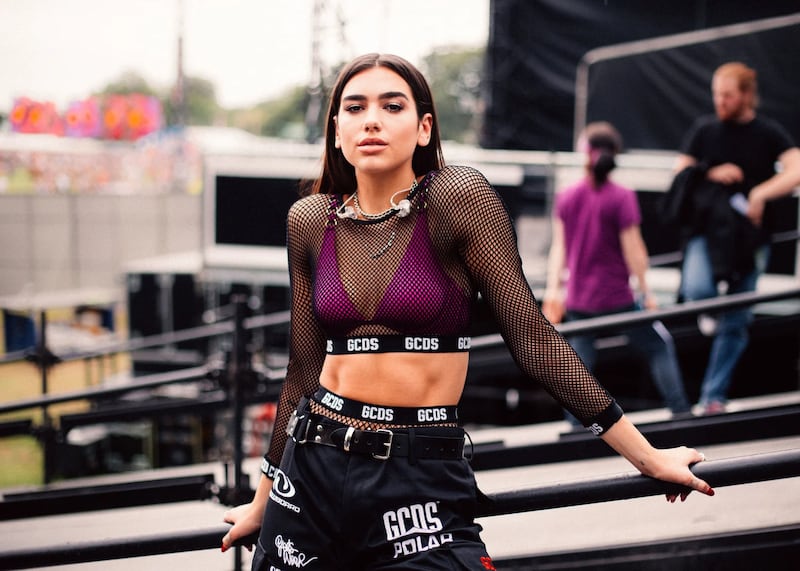 Dua Lipa. Photograph: Christian Tierney
Photography is all based on trust, and one of my biggest skills is image selection. I take a few thousand images a night, and I’m good at selecting the right images to edit and show to the artist. I never show an unflattering image to an artist.
I have taken photographs of some of the most beautiful people in the world, and they look horrendous in them because of the moment, the light, the angle, or they might have been speaking or singing in the middle of it. If you saw the moment live, it wouldn’t look strange, but when you snip out one frame, it does.
Even very famous people, musicians and actors who are very attractive, have the thing where they are afraid to see photos of themselves and are self-conscious about how they look.
People talk about post-tour depression. It really is a massive thing. When there’s a show every night, and you might be in a different country every day, you get this adrenaline and then all of a sudden it ends, and you’re just back in the house you grew up in.
There’s this momentum that wants to keep going, but it just stops dead. I don’t think I’ve ever met anybody who tours who doesn’t feel that. I don’t really know if touring is a healthy way to live.
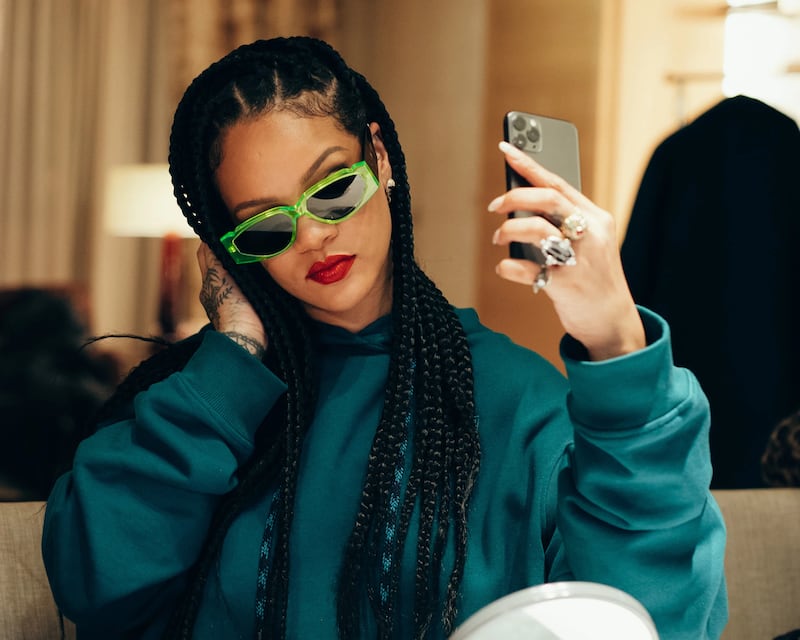 Rihanna. Photograph: Christian Tierney
 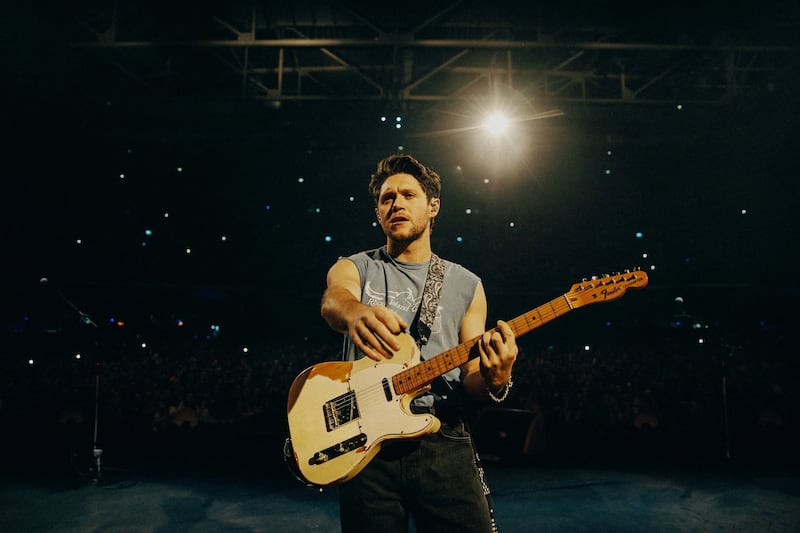 Niall Horan. Photograph: Christian Tierney
 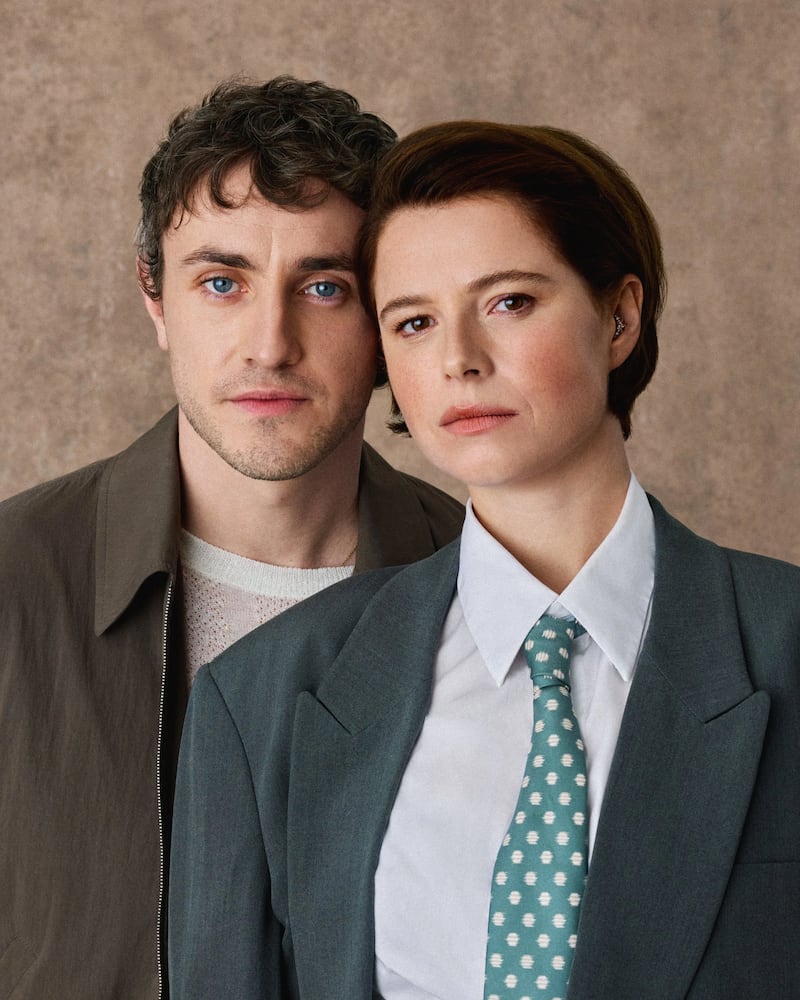 Paul Mescal and Jessie Buckley. Photograph: Christian Tierney
It’s also really refreshing to come home after being in 90 different countries and just knowing your surroundings rather than constantly having to figure out a new place.
The familiarity of Ireland is comforting. I lived in London for two years but moved home last year to be closer to my family and the sea.
[ How to lower the risk of someone stealing the precious data on your phoneOpens in new window ]
I always have an amazing time in London but I never miss it when I leave. I feel like I’m constantly in fight or flight mode when I’m in there. The phone snatching thing is getting really bad. I’ve had several attempts on my own phone while out and about, and everyone you talk to over there has a story of it happening to them.
Because I have to travel for most of my work, it doesn’t really matter where I live, but Ireland is where it all started for me.
In conversation with Rosanna Cooney. This interview is part of a series about well-known people’s lives and relationship with Ireland.