
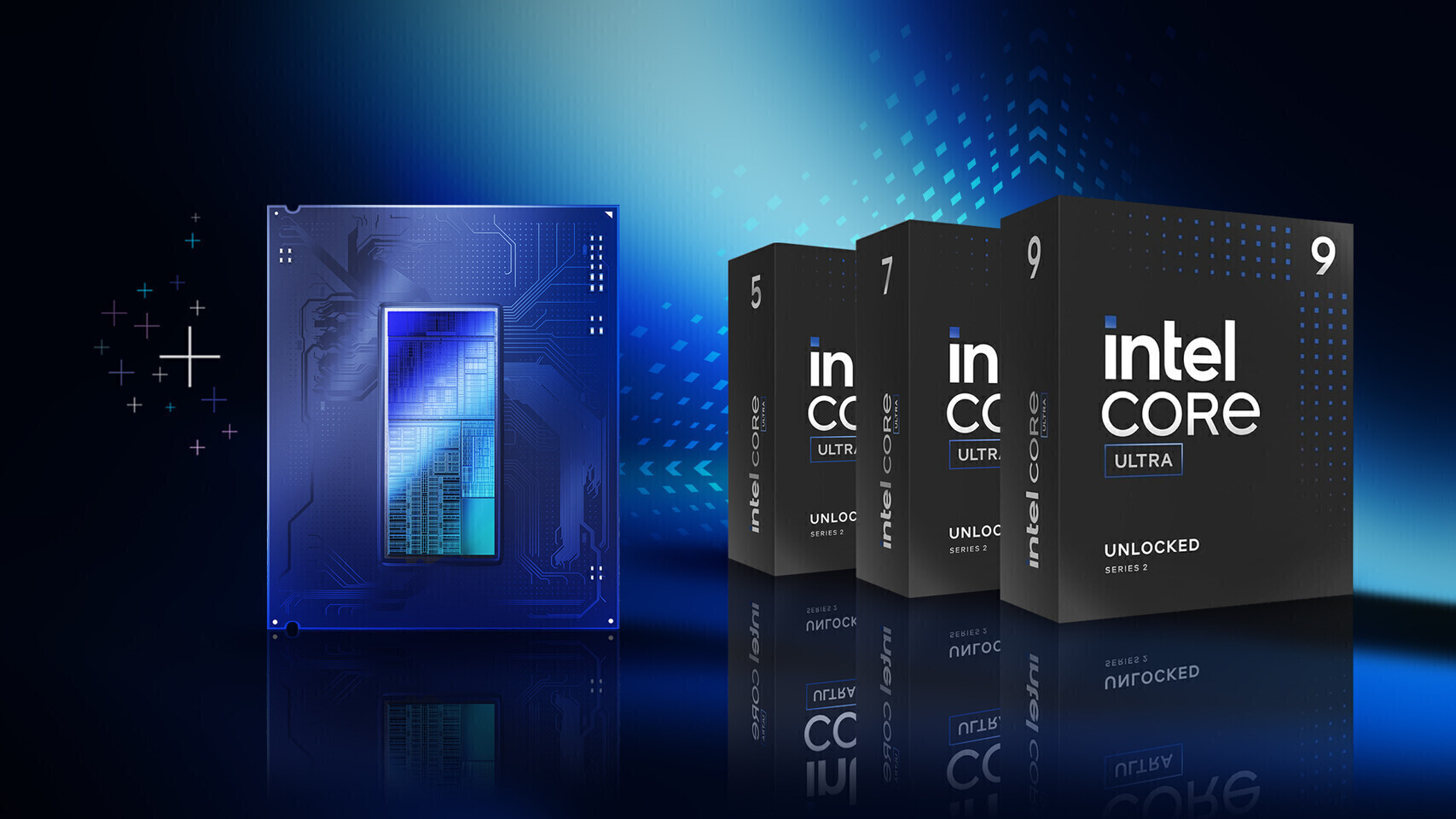
Intel’s “Arrow Lake Refresh” has not even been released, but the company has already canceled its flagship SKU planned for this refresh cycle, according to a report from VideoCardz. Two sources close to the media note that Intel’s flagship Core Ultra 9 290K Plus might not roll out at all, despite the massive hype and leaked benchmarks indicating that Intel is releasing this CPU SKU as part of the “Arrow Lake Refresh” generation expected to arrive in March or April. Reportedly, Intel will instead focus on delivering value with its Core Ultra 7 270K Plus SKU, which carries 8 P-Cores and 16 E-Cores and a 5.5 GHz maximum turbo boost. For individual boosting frequency, P-Cores top out at 5.4 GHz, while the base runs at 3.7 GHz. For E-Cores, the boost frequency is set to a maximum of 4.7 GHz, while the base is set at 3.2 GHz.
As for a possible reason why Intel would cancel this SKU, the sources close to VideoCardz note that product overlap is the main issue, as the flagship Core Ultra 9 290K Plus would have the same core configuration as the Core Ultra 7 270K Plus, just with slightly higher clock speeds. Additionally, Intel already maintains a Core Ultra 9 285K SKU from the regular “Arrow Lake” family, meaning that the company would have three similar SKUs at the very top of the stack. This way, it would only have to maintain two products, which would simplify manufacturing and supply chain logistics, allowing Intel to spend more time preparing for the next-generation “Nova Lake” launch later this year.
 Just a few days ago, we reported on new performance claims for the Intel Core Ultra 9 290K Plus that have been spotted in a new Geekbench run showing roughly a 10% performance improvement over the base Core Ultra 9 285K. Now, we might get a much smaller improvement out of the box with the new refresh, as the Core Ultra 7 270K Plus is roughly 100-200 MHz slower in P-Core and E-Core boost frequencies across the board. However, platform-specific changes like the faster DDR5-7200 memory and something similar to China-exclusive Intel Performance Optimizations (IPO) might come into play. This technology fine-tunes P-core and E-core frequencies, ring-bus speeds, the UPI interconnect, D2D links between tiles, and both PL1 and PL2 power limits. So we have to wait a few more weeks before we see what Intel has in store for gamers.