
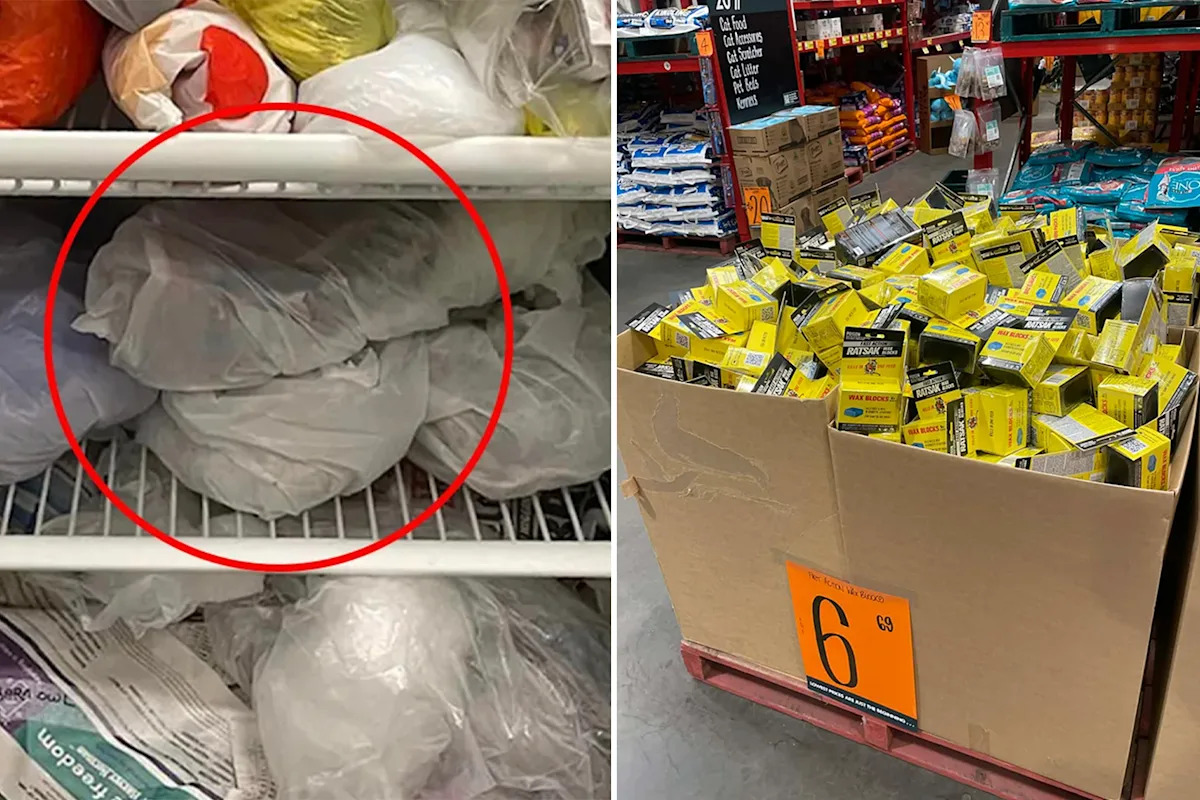
Australians have weeks left to have their say on the over-the-counter sale of rodenticides, which indirectly kill enormous numbers of vulnerable native wildlife. Despite a recent review finding they pose an “unacceptable” risk to non-target animals, they will continue to be widely available for purchase.
In December, the Australian Pesticides and Veterinary Medicines Authority (APVMA) finally released its findings on second-generation anticoagulant rodenticides (SGARs) after several months of delays.
It concluded that they should remain for sale, despite the damage they cause to ecosystems.
Associate Professor in Wildlife and Conservation Biology at Deakin University, John White, was “extremely hopeful” about the recommendations from the APVMA, but was bitterly disappointed.
He said Australia is now among a drastically shrinking group of countries still permitting their use.
“There is now substantial evidence from Australia showing widespread exposure of native wildlife to SGARs,” Professor White said.
“Multiple studies have detected SGAR residues in owls, raptors, quolls, goannas and other predators and scavengers (secondary poisoning), often at concentrations associated with illness or death.
“Rodenticides have also been found in species such as possums that accidentally consume the poisons directly (non-target poisoning).”
Do you have a rodenticide story? Contact newsroomau@yahoonews.com
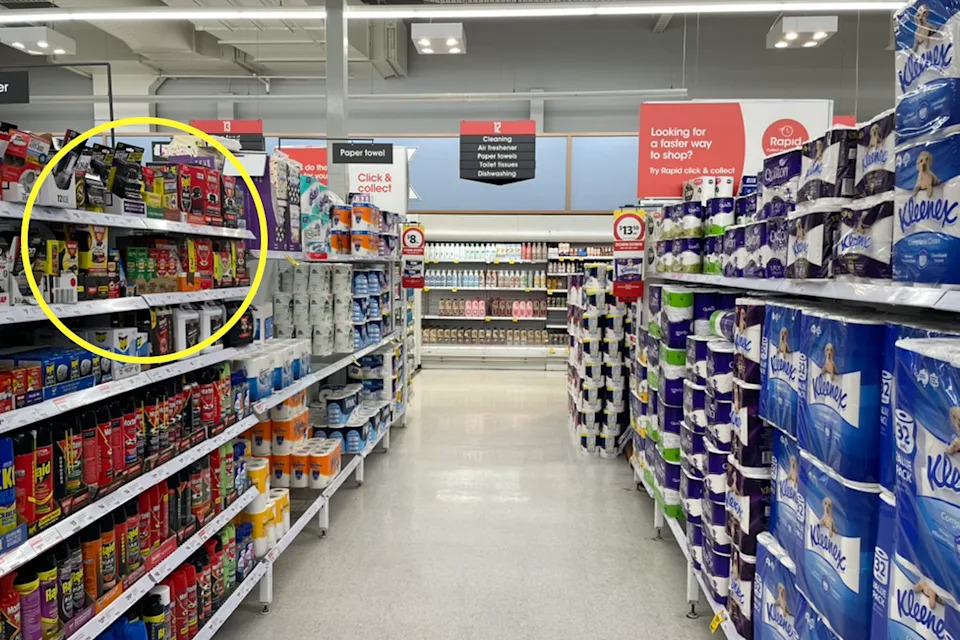
Chemicals contained in rodenticides, commonly sold in retailers like Coles, Bunnings, Woolworths and Mitre 10, were examined by the APVMA. Source: Yahoo News
What did the APVMA findings recommend?
Over 280 experts had campaigned for SGARs to be removed from consumer sale.
Professor White said rather than banning these products, which was “the outcome many of us expected”, the review prioritised risk mitigation.
That includes label changes, packaging controls, bait placement and delivery adjustments, on the assumption that harm can be reduced without restricting access.
The APVMA is currently consulting on its proposed decisions, and submissions must be made by March 16, with a final determination expected following this process.
“Australians can still influence the outcome by making formal submissions, engaging with policymakers, and contributing evidence-based commentary during the consultation period,” Professor White said.
“Public and media scrutiny also play an important role in highlighting the ecological consequences of regulatory choices.”
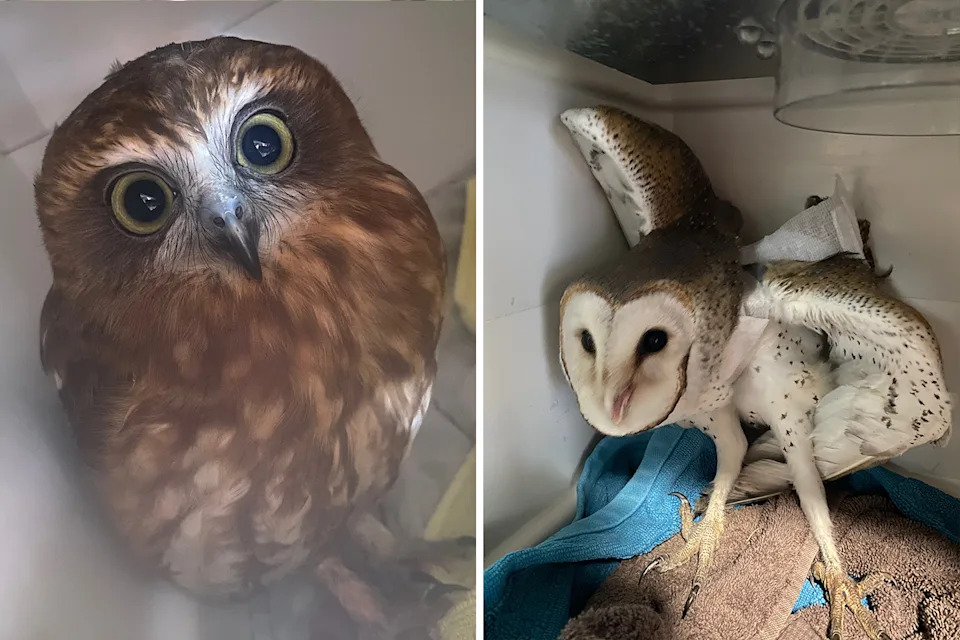
This boobook and barn owl died from suspected rodenticide poisoning. Source: Jessica Crause
Why do experts believe the recommendations won’t work?
He said that based on current evidence, it’s not believed that any of the recommended measures will substantially reduce harm.
“Label changes and baiting instructions do little to address secondary poisoning, which occurs when predators consume poisoned prey, days or weeks after baiting,” Professor White said.
“This cannot be controlled by packaging or placement alone. As long as SGARs remain widely available and in use, exposure of wildlife is likely to continue.”
In December, Amazon confirmed it would pull SGARs from sale on its Australian site in response to the findings.
“We are in the process of removing these products from sale across Australia on Amazon.com.au,” the company confirmed to Yahoo News.
But the products are widely sold across the country, including in major retailers such as Coles, Woolworths, Bunnings and Mitre10.
They each vehemently defend their stance.
Bunnings Director of Merchandise, Cameron Rist, said in December, “we offer a wide range of products allowing customers to choose the option that’s right for them.
“For customers looking for alternatives to rodenticides, we offer rodent repellers, live catch traps and regular rat traps,” he had earlier told Yahoo.
“We sell rodenticides in line with guidance from the federal regulator, and we continue to follow its advice in this area.”
A spokesperson for Woolworths said at the same time all rodenticides adhered to local laws.
“We have and will continue to consult the authority on product safety matters,” they said.
“As always, we advise customers to follow all instructions outlined on the product labelling and use it only as intended.”
Is Australia sitting on the wrong side of history?
Elsewhere across the globe, particularly in parts of Europe, Canada and the United States, SGARs are banned for general public use or restricted to licensed professionals.
“Australia is increasingly out of step with many comparable jurisdictions,” Professor White said.
“These policies being adopted around the world reflect recognition that the risks to wildlife outweigh the benefits of widespread access.
“Australia, in contrast, continues to allow unrestricted public access to the most toxic and persistent rodenticides.”
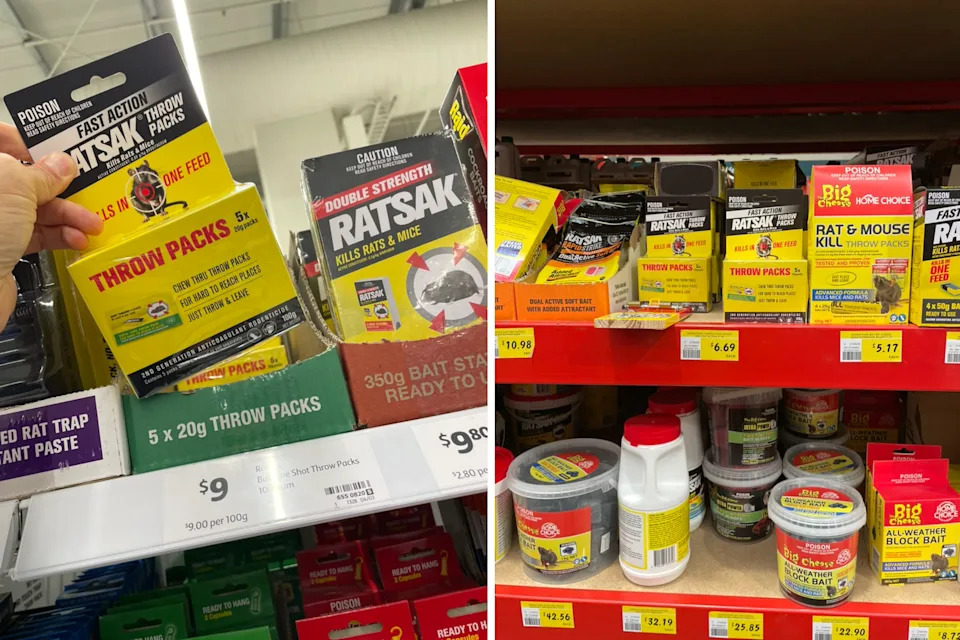
They indirectly kill countless native wildlife, but they remain perfectly legal. Source: Yahoo News
What is the alternative?
Professor White said there were clear alternatives to heavy reliance on toxic rodenticides, starting with better sanitation and waste management to make properties less attractive to rodents.
Where control is still needed, he said, trapping can be highly effective in household settings.
Natural-based products, lower-toxicity options such as those using warfarin, and protecting native predators through habitat conservation can also play a role.
While no single solution works everywhere, he said, integrated pest management can significantly reduce the need for highly toxic poisons.
Regulatory reform could also go further, including restricting who can buy and use these products.
Limiting SGARs to licensed pest controllers, for example, has been adopted overseas and would reduce overall use, rather than relying on consumers to follow safety instructions.
However, Professor White noted there is limited evidence that restrictions alone fully prevent wildlife exposure, which is why some researchers and conservation groups are now calling for outright bans as the only reliable way to stop non-target poisoning of native animals.
“There is no coordinated national monitoring program. Most data come from targeted research projects conducted by a few university researchers, including us,” Professor White said.
“Testing is extremely expensive, approximately $250 per sample, and is a major limiting factor on testing.
“While all studies have consistently shown exposure, the lack of systematic monitoring almost certainly means the true scale of the problem is underestimated.”
Love Australia’s weird and wonderful environment? 🐊🦘😳 Get our new newsletter showcasing the week’s best stories.
