
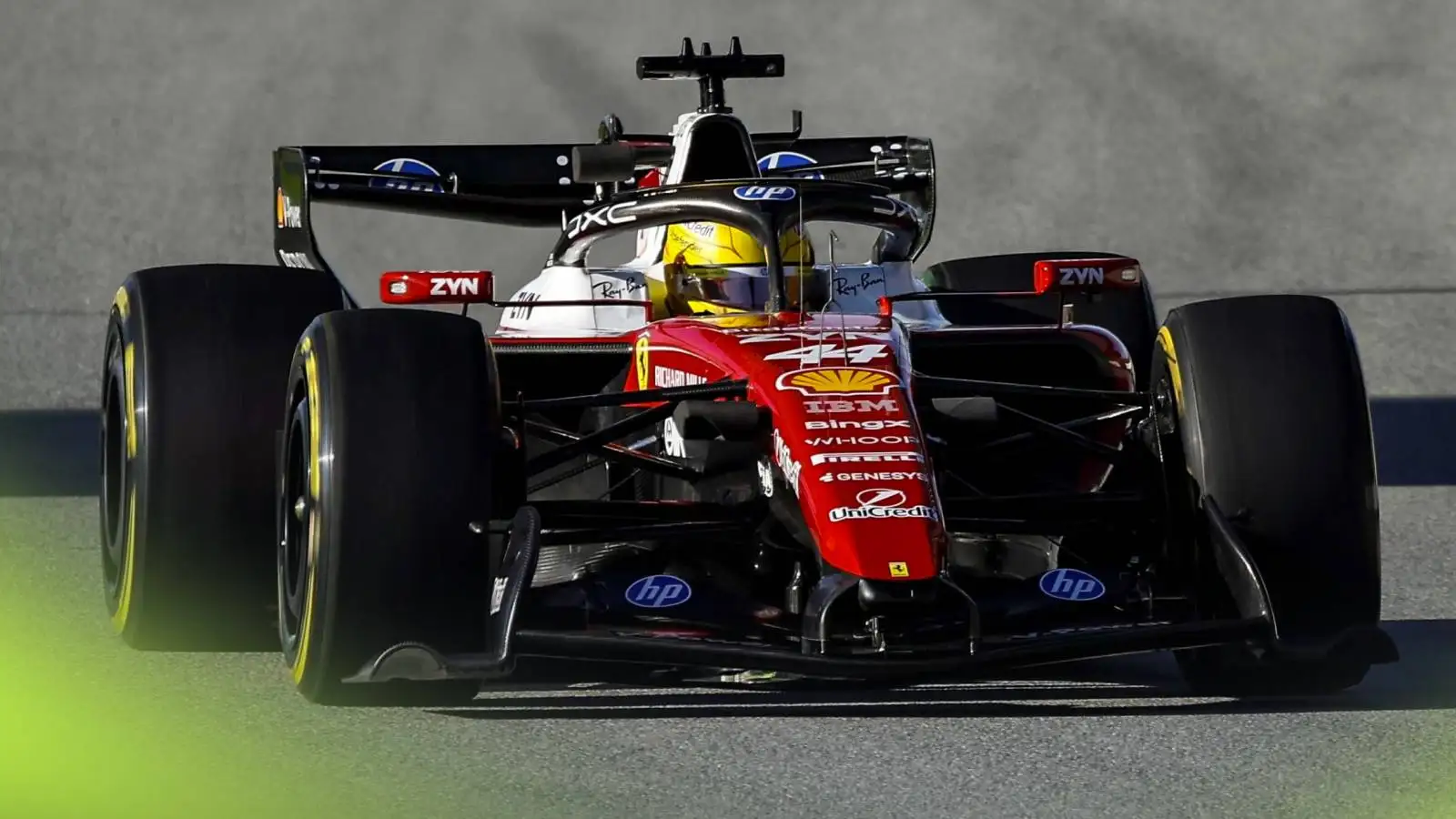
With the engine freeze over and new creations in play for F1 2026, a new system comes into force regarding how teams can develop their engines.
The new FIA initiative is designed to stop one manufacturer domination, permitting in-season development for any manufacturer which has fallen behind. Ferrari’s engine chief Enrico Gualtieri currently has no concerns that a rival could game this system.
Ferrari ‘comfortable’ with ADUO process
Want more PlanetF1.com coverage? Add us as a preferred source on Google to your favourites list for news you can trust.
For F1 2026, the sport’s governing body, the FIA, introduced its Additional Development and Upgrade Opportunities (ADUO) concept.
Mercedes, Ferrari, Red Bull Ford, Honda and Audi are the five manufacturers to have designed engines to the new 50/50 electric and biofuel rules. Should any of those fall behind on engine performance, when the FIA takes measurements at 25, 50, and 75 per cent season completion, additional development opportunities will be made available to address any deficits.
PlanetF1.com’s Mat Coch asked Gualtieri whether he believes this system justly rewards those to get it right, and whether he worries it could lead to some manufacturers ‘sandbagging’, so not displaying maximum performance, to exploit potential longer-term benefits.
“The ADUO mechanism, for being able to have additional upgrades and development opportunities during the season,” Gualtieri began in response.
“It’s a new process for everyone. It’s a new process for the FIA. It’s a new process for the power unit manufacturers. I feel that it’s quite well prescribed into the definition [of what is allowed].
“Obviously, we will take some time to get used to it, to the outcomes, but I think it’s robust enough to go on with what we think may be the final target of this mechanism.
“So for the moment, we are certainly comfortable with the process.
“Despite that, we obviously keep in touch with the FIA in case of any additional requirements. But for the moment, it is fine for us.”
More on F1 2026 from PlanetF1.com
How F1 2026 aero rules aim to beat dirty air — and where teams can still innovate
F1 overtaking rules: Guidelines, rules of engagement and possible penalties
In addition to the increased electrification, these new engines also will run on fully sustainable biofuels.
The use of biofuel itself has changed little for Ferrari, but the process of getting it has been a change of pace.
“In terms of the new fuel, so advanced sustainable fuel, we have to say that it’s not really a big change in terms of final composition of the fuel,” said Gualtieri.
“Finally, the fuel is supposed to be designed almost in the same way that it was before. Because finally, what it counts at the end of the story are the molecules and the properties that these molecules can, let’s say, achieve and deploy.
“So the engine appetite doesn’t really change a lot, meaning that the fuel design is almost similar to what we were using before.
“What is really the big change compared to the last season, at least, or the previous seasons in terms of fuel, is that now the fuel has to comply with restrictions in terms of supply chain, in terms of feed stocks, so in terms of original or raw materials from which the fuel has to start, just for the sustainability reasons.
“So this is an additional point on top of the performance and efficiency that we were always looking for from a fuel. And this is certainly something that changed the way that us and the fuel suppliers have got the exercise to define the proper fuel design at the end of the story.”
Additional reporting by Mat Coch
Want to be the first to know exclusive information from the F1 paddock? Join our broadcast channel on WhatsApp to get the scoop on the latest developments from our team of accredited journalists.
You can also subscribe to the PlanetF1 YouTube channel for exclusive features, hear from our paddock journalists with stories from the heart of Formula 1 and much more!
Read next: Toto Wolff against Mercedes ‘world dominance’ in F1 2026