
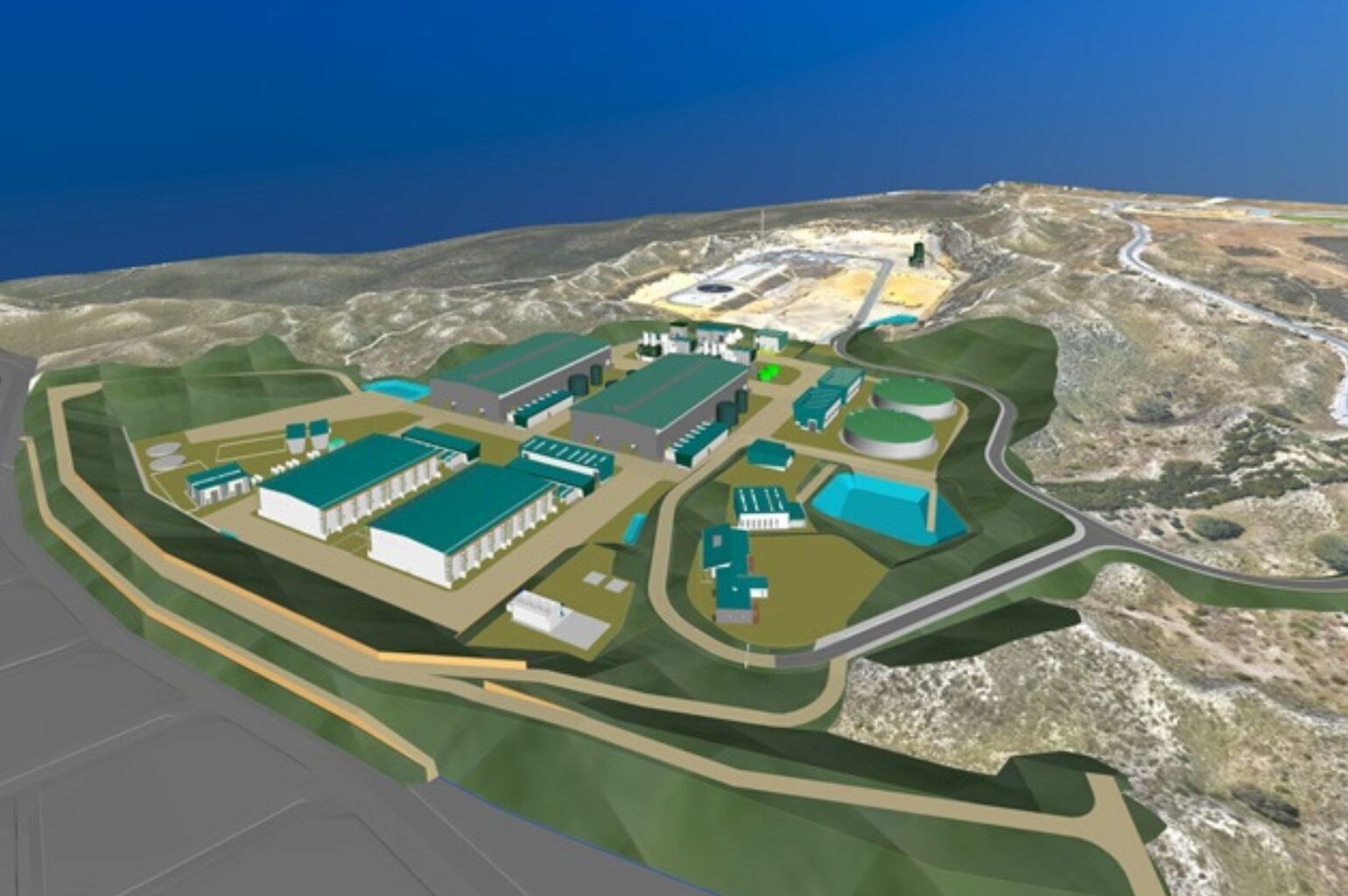
Perth’s population is growing, but drinkable water is becoming harder to find. To keep the city quenched, this utility’s engineers are sending kilometres of pipelines out to sea.
Off the coast of the northern suburbs of Perth, buried 15-60 m beneath the ocean floor, two pipelines that will help secure the city’s future for decades to come are being laid.
The shorter of the two, which extends 1.6 km from the shore, will pull seawater from deep below the ocean’s surface and transfer it to the Alkimos Water Precinct, where a new desalination plant will filter and treat it, then remove salt, bacteria, viruses and other impurities via reverse osmosis.
The resulting drinkable water will then be delivered to Perth’s water network through a 33.5 km, 1.6 m diameter underground pipeline – the largest ever built by Western Australian water utility Water Corporation – that runs to Wanneroo Reservoir.
The wastewater from the process – a brine that is twice as salty as seawater – is returned to the ocean through the longer of the offshore pipes, which extends three kilometres from the coast.
The enterprise is vital for keeping the residents of the growing – and increasingly parched – Perth region supplied with a clean and reliable water supply. The city’s population is expected to reach 3.5 million by 2050, yet rainfall in the region has reduced by a fifth since 1970.
Today, 40 per cent of Perth’s water supply comes from groundwater, but that allocation is set to drop by 27 per cent in 2028 – when the Alkimos Desalination Plant is scheduled to come online.
Average annual rainfall runoff in Perth dams in 1975: 420 billion L
Average annual rainfall runoff in 2026: <70 billion L
Projected Perth population in 2050: 3.5 million
Alkimos desalination plant annual capacity: 50 billion L
Energy sourced from renewables (annually): 400 MW
Pipeline from plant to reservoir: 33.5 km long
Intake pipe: 5.9 m below sea level
Outfall pipe: 20 m below sea level
Estimated delivery date: 2028
Seawater, not groundwater
“We’re ready for full production by mid-2028 when some of those groundwater allocation reductions come our way,” said Daniel Rossi, Water Corporation’s Manager of Major Source Projects. “We’re well into our civil and structural works on the plant itself, and we’re building our pipelines out to the ocean. Right now, we’ve got two large jack-up barges installing our marine work.”
These pipes have to extend kilometres out to sea so that they can collect the best quality water to use in the desalination process – and then to dispose of the resulting brine in the safest environment.
“There are a lot of investigations and environmental studies so we’re able to best locate where that water goes,” Rossi said. “Ultimately, what we’re trying to do is bring the best quality water in and then disperse the saltier water out in the high-energy environment along the coast, where it can mix well with the existing environment and within a regulated area.”