
For decades, statins have been a medical mainstay. One of our most commonly prescribed drugs, with millions of people around the world taking it to lower cholesterol and protect against heart attack and stroke, they’re also frequently blamed for everything from aching muscles to memory loss and low mood. Now, a new study suggests that much of that fear may be misplaced.
Published this week in The Lancet, researchers from the University of Sydney and Oxford Population Health analysed data from large clinical trials involving more than 150,000 participants.
They examined 66 potential side effects listed in statin product information. Only a small number showed any evidence of a link to statin use, and even then, the increased risks were minimal.
Symptoms such as memory loss, depression, sleep problems, weight gain and sexual dysfunction showed no causal association with statins. Minor changes in liver blood tests and urine chemistry were seen slightly more often in statin users, but these did not translate into serious illness.
Well-established risks, including rare muscle disorders and a small increase in blood sugar levels, remain real but uncommon and are already factored into prescribing guidelines.
“Statins are life-saving drugs used by hundreds of millions of people over the past 30 years. However, concerns about the safety of statins have deterred many people who are at risk of severe disability or death from a heart attack or stroke,” said Christina Reith, Associate Professor at Oxford Population Health and lead author.
“Our study provides reassurance that, for most people, the risk of side effects is greatly outweighed by the benefits of statins.”
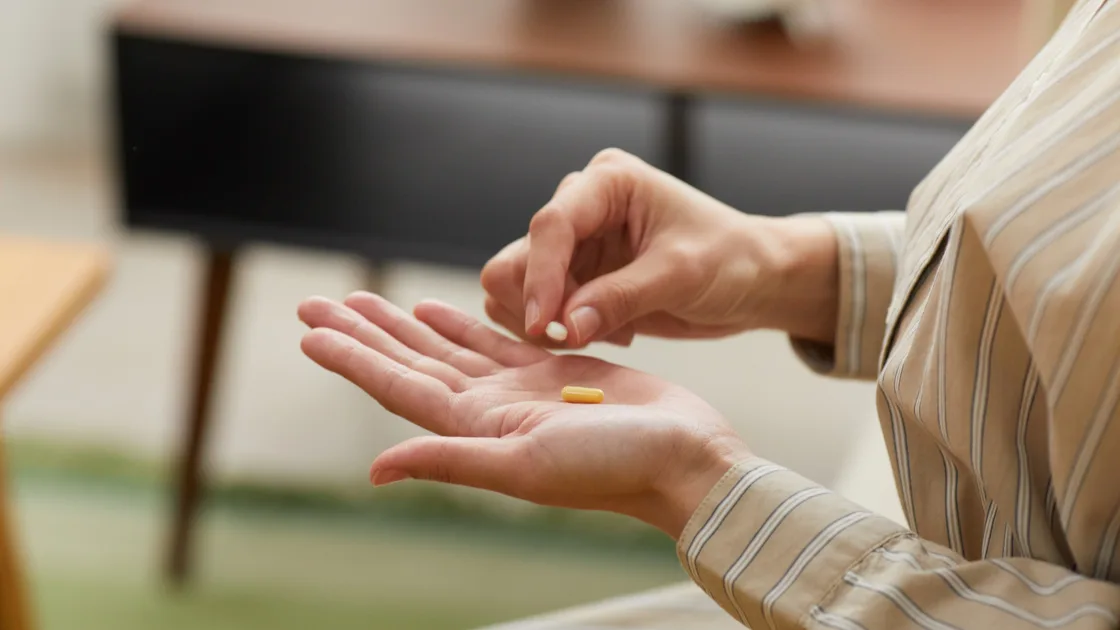
 Over two million Australians are prescribed statins to prevent heart attacks, stroke and other conditions. Image: Canva
What are statins?
Statins are cholesterol-lowering medicines designed to reduce levels of low-density lipoprotein (LDL), often referred to as ‘bad’ cholesterol. They work by blocking an enzyme in the liver that’s needed to make cholesterol, which in turn helps prevent fatty deposits from building up in blood vessels.
When arteries narrow or harden due to cholesterol plaques, the risk of heart attack and stroke rises sharply. Statins reduce that risk – sometimes dramatically – which is why they’re recommended for people with existing heart disease and those assessed as being at high cardiovascular risk.
Why statins still get blamed for side effects
When people are warned about possible side effects, they may be more likely to notice normal aches, pains or changes in mood, a phenomenon known as the ‘nocebo effect’.
Many taking statins are also older or managing other health conditions, both of which can cause symptoms such as fatigue or muscle soreness. In blinded trials, where participants didn’t know whether they were taking a statin or a placebo, rates of reported side effects were remarkably similar.
This matters because fears around statins have real-world consequences. Past research has shown that negative coverage and exaggerated safety concerns can lead people to stop taking their medication, a decision linked to increased rates of heart attack and stroke.
Doctors stress that symptoms should never be dismissed, but they should be interpreted carefully. For people who do experience problems, options include adjusting the dose, switching to another statin or reviewing other medications. What experts strongly advise against is stopping statins abruptly without medical advice.
“Over two million Australians are prescribed statins to prevent heart attacks, stroke and other conditions, potentially providing each person with lifelong benefit,” said Professor Garry Jennings, Chief Medical Advisor at the Heart Foundation.
“As consumers and health professionals we have too readily blamed everyday symptoms including aches and pains, small biochemical changes, and forgetfulness, on statin therapy. This study confirms that most of these symptoms are due to other causes as true statin intolerance is rare. It should encourage people to keep taking statins in line with national guidelines.”
As always, if you are concerned, your best bet is to check with your GP or healthcare provider.

Author
Ashleigh Austen
Health and Beauty Editor
Sign up for our newsletter
Sign up for the latest news from Australian Women’s Weekly including offers and discounts we choose to share with you.
Disclaimer: By joining, you agree to our Privacy Policy & Terms of Use
About your privacy Are Media Pty Limited collects your personal information through this site to process registrations, send out newsletters, communicate offers, discounts, competitions, or surveys, and to provide you with targeted advertising based on your online activities. Our Privacy Policy contains information on how you can access or correct your personal information, which entities we may disclose your personal information to (including overseas recipients), how to opt out of targeted advertising, and how to lodge a complaint.