
A longitudinal at-home study of 90 participants suggests active cooling can mitigate age-related circadian decline
Eight Sleep Labs has released the results of a large-scale study focused on the sleep physiology of women in midlife, a demographic historically underserved by traditional sleep trackers.
The research, which took place between July and October 2025, tracked 90 participants—including 60 postmenopausal women—over 1,400 total nights to determine how overnight temperature regulation affects cardiovascular recovery.
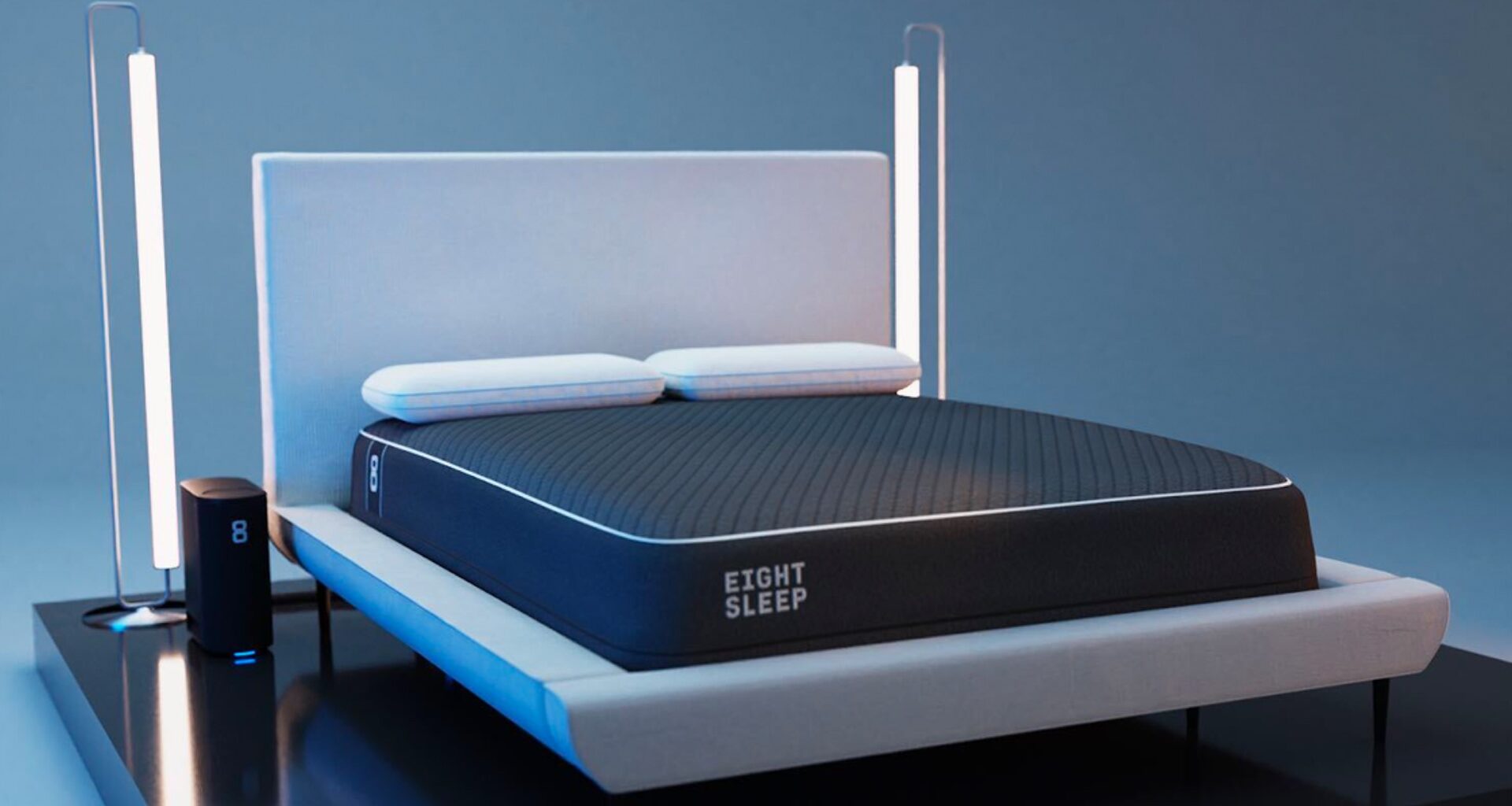
Unlike traditional lab-based studies, this research used the Eight Sleep Pod in a home environment, allowing participants to serve as their own controls by alternating between weeks of active temperature regulation and neutral settings.
The study analyzed more than 10,700 hours of data, cross-referencing Eight Sleep’s internal sensors with biometric smart rings and core body temperature (measured via ingestible capsules).
The findings indicate that active bed cooling significantly reduced overnight core body temperature, thereby improving heart rate variability (HRV) and benefitting circadian rhythms, which typically weaken with age.
Crucially for this demographic, the data showed that precise temperature control mitigated the strain caused by nighttime hot flashes and even late-night exercise, allowing for more consistent deep sleep cycles.
Advertisement
The Wareable take: The bed as a continuous health scanner
The scale of the study demonstrates how our sleep tech is moving from passive monitoring and traditional wearable form factors to active intervention.
Eight Sleep is no longer just telling you that you slept poorly; the brand is using data to prove the hardware can physically alter your biological recovery markers.
And by targeting postmenopausal women—a group that often experiences the most significant sleep disruption—it’s also entering a high-value niche that has historically been ignored by the big smartwatch players.
From an industry perspective, this study also validates the home-as-a-lab model.
The fact that the findings are being worked directly into a ‘Hot Flash Mode’ update shows a rapid transition from clinical research to a consumer feature. We’ve seen similarly from Oura off the back of its own studies in the last couple of years.
It sets a high bar for other sleep-focused wearables, suggesting that the future of the category isn’t just about more sensors but about hardware that can autonomously respond to the user’s physiological state in real time.
Advertisement