
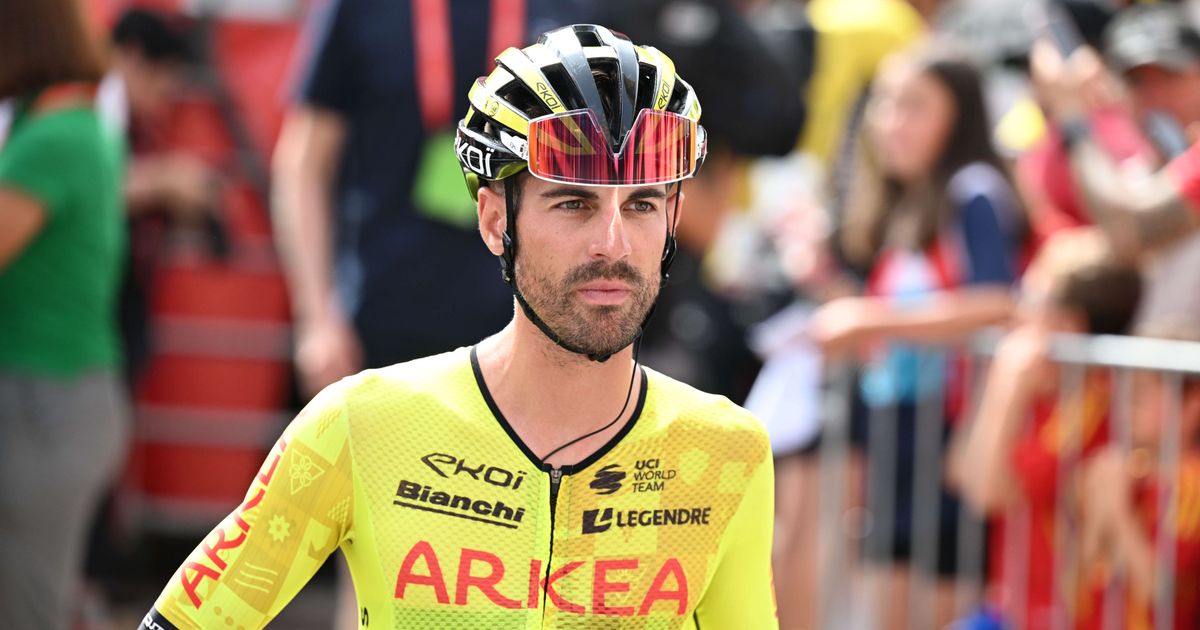
“It was all very hard, a total uncertainty for many weeks,” Rodriguez told AS. “When I was finally free, the market was already very advanced and, wow… There were quite a few problems. It hasn’t been easy. I wouldn’t wish it on anyone.”When the market moves without you
Arkea’s disappearance was not sudden. Both title sponsors had already signalled their intention to step away, and months of talks to secure replacement funding failed to deliver the financial guarantees required by the UCI. When the registration deadline passed, the project effectively ceased to exist.
For riders, the consequences were immediate. While teams with stability locked in squads and race plans, Arkea’s riders were left in limbo, unable to negotiate openly while legal and contractual questions dragged on. What looks like an administrative failure from the outside becomes a career threat from the inside.
“It’s a disgrace for cycling when teams disappear, and even more so to live through it from the inside,” Rodriguez said. “Well, it’s another experience I’ve been through.”
A career caught at the worst moment
The timing made the situation particularly brutal. Rodriguez had just completed another Tour de France, not chasing general classification glory but reinforcing his value as a reliable WorldTour climber. His role was clear, his level proven, and interest existed. What he lacked was freedom.
Instead of choosing his next step, he spent October waiting for clarity, watching opportunities close as teams filled their final slots. Only once Arkea’s collapse became official was he finally able to move, with Astana acting quickly to bring him in.
“We’ve brought a strong team, but I’m here to help,” Rodriguez said during his first days with the squad. “They’ve shown a lot of confidence in me, they have good equipment, and I wanted to try it with them.”
A fresh start, but a lasting warning
Now the only Spanish rider on Astana’s roster, Rodriguez begins again in an environment dominated by English and Italian, far removed from any sense of comfort. His race programme reflects a supporting role rather than leadership, with a return to a Grand Tour still a personal objective.
“I’d like to be in a Grand Tour again,” he said. “After Oman I’ll go to two races in France and, most likely, Volta a Catalunya.”
Physically, he is also rebuilding. A nerve issue in the sole of his foot forced him out of last season’s Vuelta, a problem that never reduced his strength but dulled his sensitivity on the bike. “Now it’s time to see how I perform,” he added.
For Rodriguez, the Arkea collapse was not just an unfortunate chapter but a warning about the fragility of modern cycling. Teams can vanish, contracts can evaporate, and riders can be left exposed through no fault of their own. Once an anonymous professional, he now speaks as proof of how quickly stability can disappear in a sport that often sells itself as secure.