
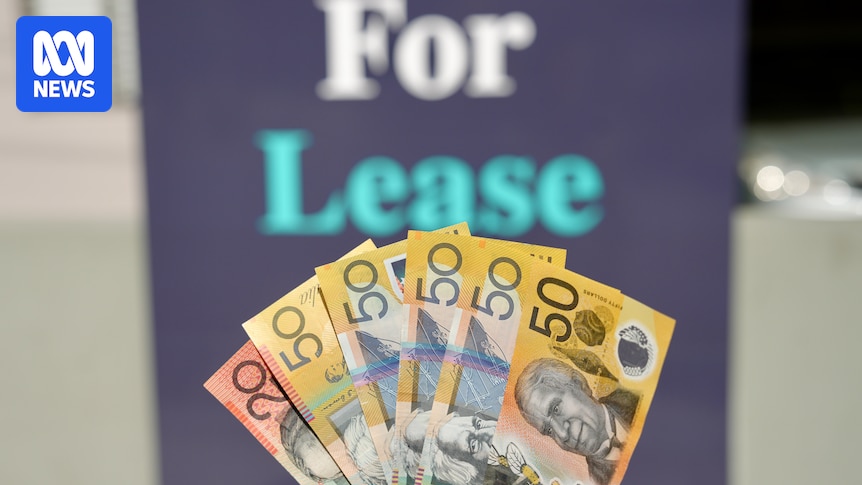
Australian rents have risen 2.5 times faster than wages over the past five years, pushing rental affordability to record lows, according to new analysis by property research firm Cotality.
National rents climbed 43.9 per cent in the five years to September 2025, compared with wage growth of 17.5 per cent over the same period.
As a result, tenants now pay an average 33.4 per cent of their pre-tax income on rent — the highest level on record, according to Cotality — placing growing strain on household budgets.
That is compared to a decade-long average of 29.2 per cent, and a recent low of 26.2 per cent in the September quarter of 2020.
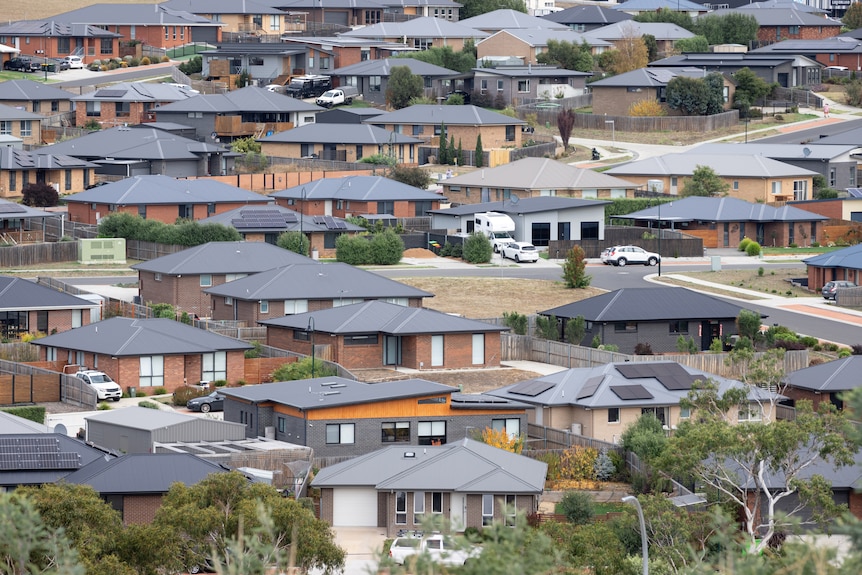
Households are facing less flexibility in their budgets. (ABC News: Luke Bowden)
“For many households, [higher rent] means a lot less flexibility in the budget, and far fewer options about where and how they live,” Cotality research director Tim Lawless said.
“Before the pandemic, renters in many parts of Australia were seeing wages grow a little ahead of rents or at least keep pace.
“Since 2020, a combination of tight vacancy rates, smaller household sizes and sluggish new housing supply has pushed the market into a very different phase, one where rents are clearly in the driver’s seat.”
Mr Lawless said it marked a sharp reversal of the previous five-year period, when wages generally grew faster than rents across most states and territories.
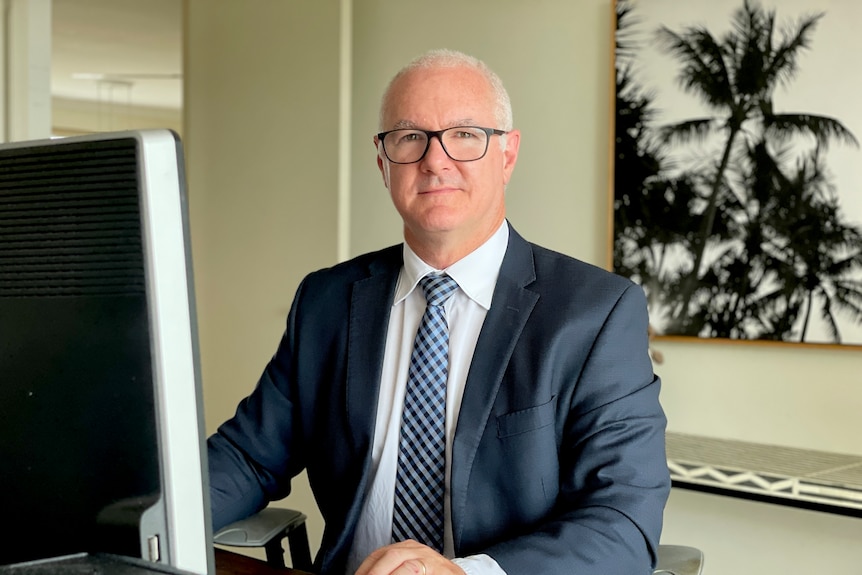
Tim Lawless says rents are “clearly in the driver’s seat”. (ABC News: Jessica Ross)
Australians have been experiencing renewed cost-of-living pressures after a resurgence in inflation.
The Consumer Price Index rose 3.8 per cent in the year to December, with housing the largest contributor to annual inflation.
Rent prices rose 3.9 per cent over the 12-month period.
Last week, the Reserve Bank of Australia (RBA) hiked the official cash rate for the first time in more than two years to 3.85 per cent in a bid to tame inflation.
“It’s not just people with mortgages, renters are often struggling as well, [and] inflation is what’s caused them lots of trouble. It’s the price level,” RBA governor Michele Bullock said after raising interest rates.
WA sees sharpest increase
Western Australia recorded the steepest rental growth of any state or territory, with rents surging 66 per cent over five years, well above the state’s average wage growth of 18.5 per cent.
“Nowhere is the pressure more evident than in Western Australia, where rents have climbed by around two-thirds in just five years,” Mr Lawless said.
“Even with wages growing a little faster than the national average, they have come nowhere near keeping up with housing costs in that state.”
Renters are also impacted by inflation. (ABC Ballarat: Lexie Jeuniewic)
The ACT was the only market where rent and wage growth were broadly aligned.
Over the five years to September 2025, rents rose 18.5 per cent, while wages increased 17.8 per cent, helping to limit the deterioration in affordability.
Rental growth picks up in January
Rental price pressures appear to be intensifying again, with national annual rental growth accelerating to 5.4 per cent in the year to January 2026, following a brief easing earlier in 2025.
Six months ago, rents rose at an annual pace of 3.4 per cent nationally.
In January, rents increased in every capital city and regional area, ranging from a 2.8 per cent jump in Canberra to a 10.1 per cent surge in regional WA.
“The fact that rental growth is re-accelerating, even after such a large cumulative increase since 2020, is a real concern,” Mr Lawless said.
“It suggests demand for rental accommodation still far exceeds available supply, and that renters are facing [paying] an even larger portion of their income just to keep a roof over their heads.”
Widening gap between rents and wages
According to a federal government report, Australia is expected to fall more than 260,000 homes short of its target of 1.2 million new homes by 2029.
Mr Lawless said financial conditions for renters were unlikely to ease without a sustained lift in housing supply.
Backyard pods won’t fix the housing crisis
“With vacancy rates still around record lows in many markets and new housing completions running below what is needed to meet population growth, it is hard to see rents materially easing in the near term,” he said.
“Unless wage growth accelerates meaningfully, or we see a step-change in rental supply, the risk is that affordability will deteriorate further for lower-income households in particular.”
Mr Lawless said measures including build-to-rent developments, incentives for private investment and planning reforms to allow higher-density housing in well-located areas would be critical to boosting housing supply.
“Closing the gap between rent and income growth will require a coordinated effort across governments, industry and investors,” he said.
“The sooner we can bring more supply to market, the sooner renters will start to see some relief.”
RBA chief economist Sarah Hunter echoed supply concerns when asked about housing inflation at a House of Representatives Standing Committee on Economics hearing on Friday.
“We know that there’s been a housing shortage in Australia for some time. We’ve talked about it, many others have talked about it,” Dr Hunter said.
“You can see it in the rental market. Rental vacancy rates are still very low — that means there are a lot of people trying to find a place to rent, and that then pushes rents up.”