
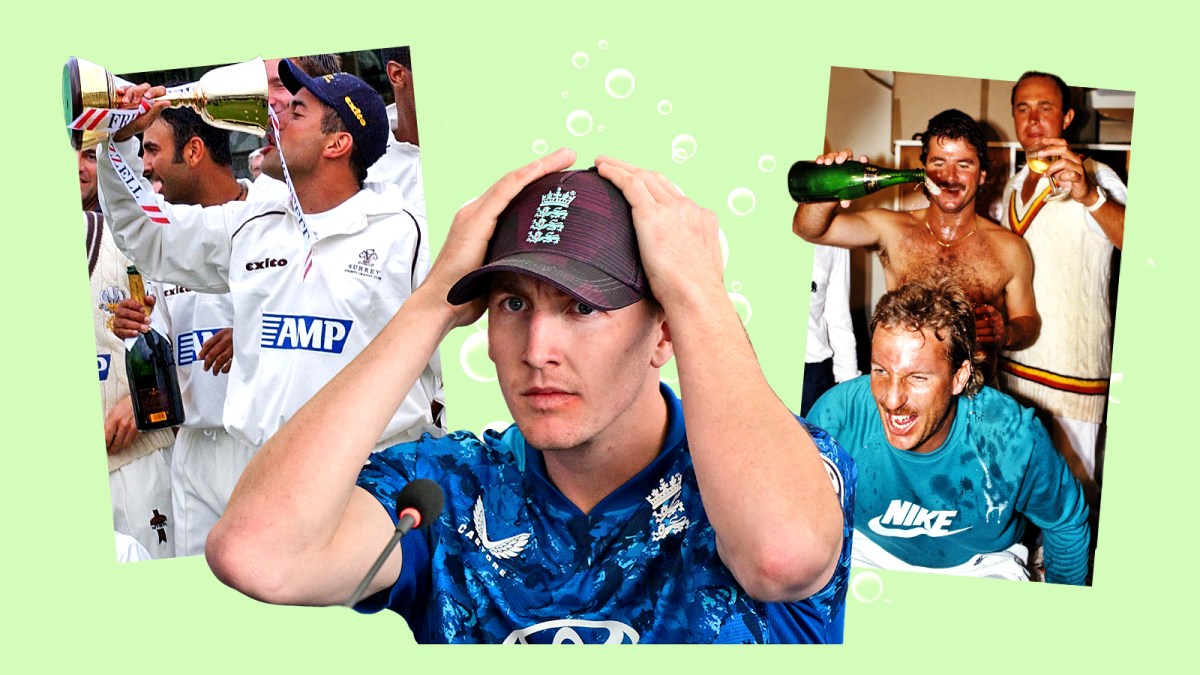
Cricket and alcohol have been intrinsically linked since the sport was invented, and heavy drinking sessions are nothing new. Writing recently in the Sunday Times, Jonathan Northcroft noted there appears to be a widening professional gap between cricket and other elite sports and that while the England football and rugby squads have moved into the realm of clinical precision — where it would be unthinkable to get drunk during a major tournament — cricket still grapples with “the ghost of the 19th-hole culture”.
England faced accusations that their Ashes tour had a “stag do” atmosphere and the post-series ECB review is examining behaviour and culture within the team. The question it is trying to answer is whether this was just some young men making bad choices or was it indicative of something wider? The picture varies across different levels.
The England team and international cricket
Under the head coach Brendon McCullum and captains Ben Stokes and Harry Brook, the England team have championed an environment of freedom and trust — a move away from the curfews of stricter, more tightly managed regimes, which some of the players found stifling and patronising.
However, this past winter has tested the limits of this approach. As well as Brook’s misdemeanour in New Zealand — going out drinking with his team-mate Jacob Bethell and Josh Tongue the night before an ODI, for which he later apologised — Ben Duckett was filmed looking worse for wear during the much-maligned mid-Ashes trip to Noosa. Given the poor performances on the field, the scrutiny was intense. Rob Key, England’s managing director, was clear in his stance that this kind of behaviour was unacceptable.
McCullum countered this by defending the “adult” environment. “Half our guys don’t have a drink, to be honest,” he said. “They’ll have a couple of beers every now and again. I think people do that in most walks of life. We want to treat them like adults.”
It is important to state that the “boozy” reputation of the England squad stems from the highly publicised actions of a few, rather than the habits of the many. A significant proportion of the dressing room — including senior figures such as Joe Root and younger stars like Gus Atkinson and Jamie Smith — barely drink or are teetotal.
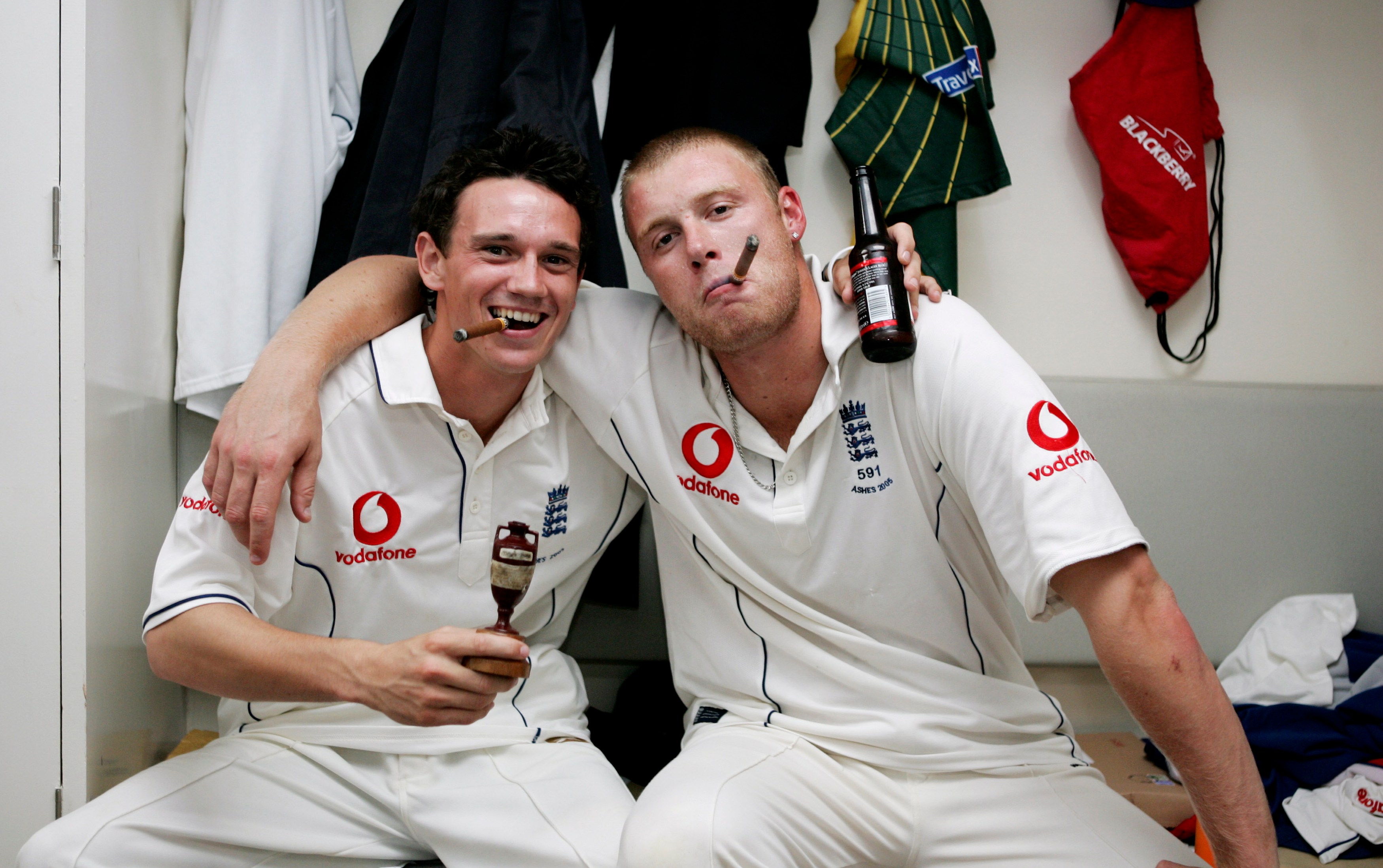
Gary Pratt and Andrew Flintoff enjoy a drink — and a cigar — after England’s 2005 Ashes triumph
ACTION IMAGES
However, for those who do indulge, anecdotal evidence suggests three distinct psychological drivers that lead elite cricketers towards excess, even during a high-stakes Ashes series:
1. The myth of invincibility: Among some players, there is a recurring belief that their natural talent is a shield. This “invincibility complex” leads some to believe they can “get through” on skill alone and that alcohol will have no tangible impact on their reaction times or stamina. As the former England wicketkeeper Matt Prior noted: “When you’re 22 or 23, you think you’re bulletproof. But at the international level, that 2 or 3 per cent of dehydration eventually catches up with you.”
2. Culture from the top: The push for freedom from stifling environments may have been interpreted by some as a licence for excess. Going out and not being cooped up in a hotel is a vital part of the touring experience to prevent burnout, but that can inadvertently create an environment where drinking is normalised.
3. The brutality of touring: Perhaps the most significant factor is the sheer mental toll of long, isolated tours. When performances on the field falter, the “dead time” in hotels becomes a breeding ground for anxiety, depression and boredom. In these moments, alcohol is often used as a blunt instrument to pass the time or mask the mental anguish of public failure. Stokes alluded to this pressure during the Noosa controversy, stating: “It’s a very tough place to be in as an individual when the world is piling on top of you . . . the mental health of the players is my top priority.”
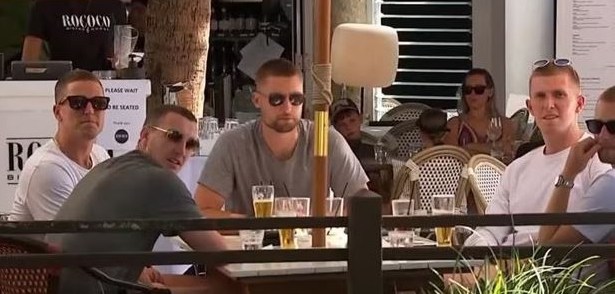
England’s mid-Ashes series trip to Noosa, where players were openly drinking alcohol, was much criticised. Here, from left, Brydon Carse, Brook, Will Jacks, Zak Crawley and Atkinson at a bar
7NEWS
County cricket
At county level, the landscape is mixed. While the traditional drinking culture is still present in places, it is increasingly being replaced by a generation of “protein-shake-drinking gym bunnies”, a player who wished to remain unnamed said. This new school of player recognises the importance of fitness and athleticism in a packed domestic schedule, with one eye on earning lucrative global franchise contracts.
Anecdotally, there are more teetotallers in county cricket than ever before. This reflects the shift in wider society away from drinking and the increasing diversity in the game, with players from different religious backgrounds who do not drink.
One county cricketer who has been in the game for more than 15 years said: “Things have changed from when I first started. There isn’t anywhere near as much drinking — certainly not during the season.
“I’ve noticed that many of the younger players would much rather go to the gym and have a coffee or a nice meal than go out and get shitfaced. Of course, we still have some big nights but these are usually at the end of the season –— awards nights and team nights out.
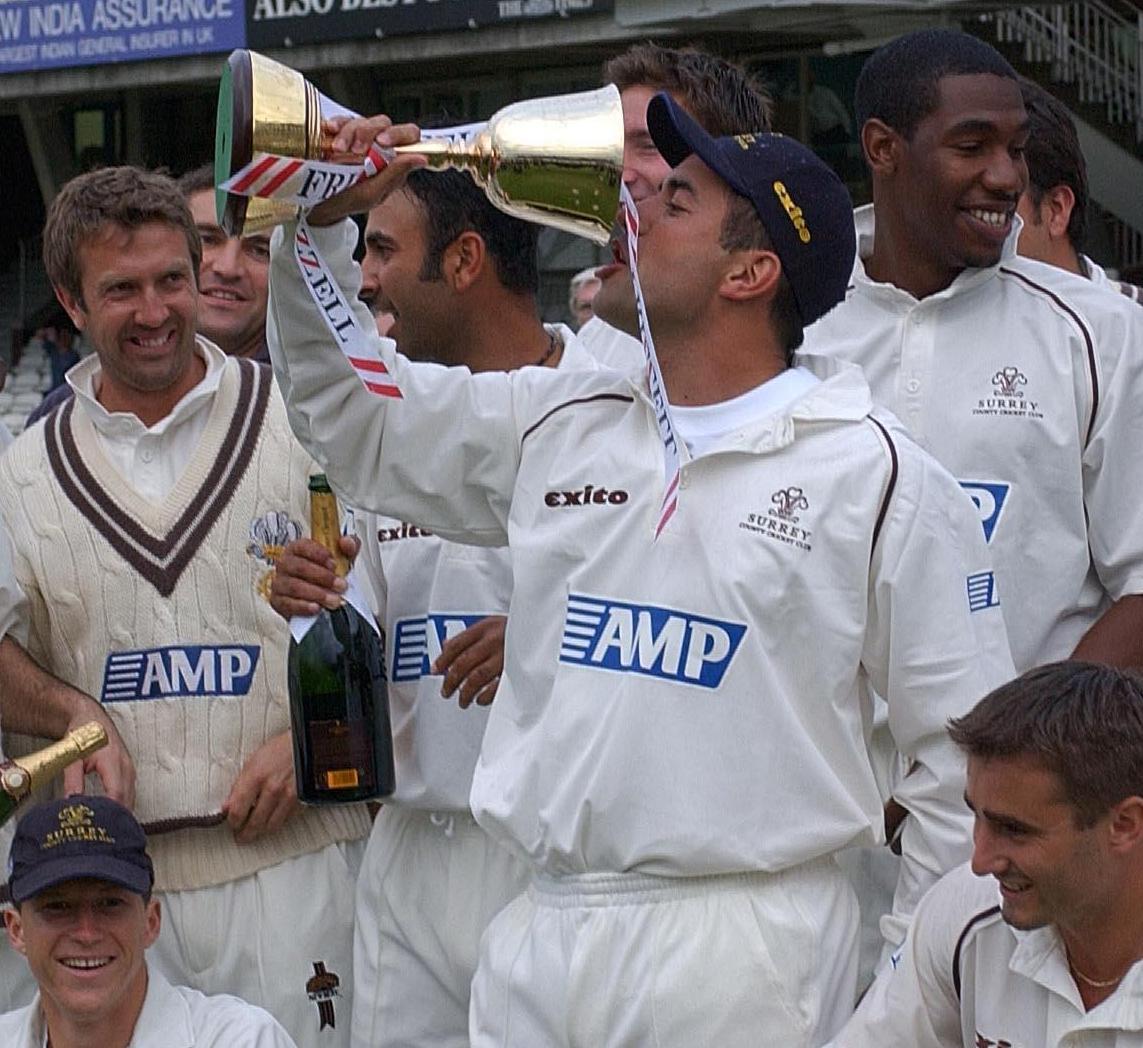
Surrey captain Adam Hollioake drinks champagne from the County Championship trophy in 2002
REBECCA NADEN/PA
“The schedule is so packed that there is hardly any rest time in between games, so there are very few opportunities for a big night out. We are also fitness-tested more often and players are much more aware of the effects of what they are putting in their body. On the whole there’s a lot less excessive drinking than there used to be.”
One former county cricketer who did not want to be named added: “The game can be really brutal mentally and some people try to find a way to get through that by either drinking or taking other substances, or some turn to gambling or other addictions.
“The game can trigger anxiety, loneliness or feelings of self-loathing, particularly if you feel like you aren’t performing or are worried about losing your contract.”
So how does alcohol affect physical performance?
Leaving aside the reputational damage the sport incurs when elite players — on contracts worth hundreds of thousands of pounds — get into trouble drinking heavily while on England duty, the physical effects of heavy boozing the night before a game are stark.
Alcohol impairs premotor reaction speed — the time it takes the brain to process a visual stimulus and signal muscle movement — for up to 72 hours. In a sport where a 90mph delivery reaches the batsman in approximately 400 to 450 milliseconds, even a minor 10 to 15-millisecond lag caused by residual alcohol can be the difference between the middle of the bat and a wicket-taking edge.
Furthermore, alcohol is a potent diuretic that suppresses antidiuretic hormones, leading to chronic dehydration that reduces blood volume. This forces the heart to work harder to cool the body, significantly lowering a player’s aerobic ceiling and heat tolerance in hot temperatures or across a five-day Test.
Alcohol effectively “cancels out” the benefits of elite training by inhibiting muscle protein synthesis (MPS) — by disrupting the signalling pathways required for muscle repair, it prevents the body from fixing the micro-tears caused by bowling or sprinting, leading to a higher incidence of soft-tissue injuries such as side strains or hamstrings. Alcohol also blocks the deep sleep cycles where human growth hormone is released. Without this hormonal repair window, an athlete’s power output and speed are diminished, meaning a player can be operating at a 5 to 10 per cent physical deficit compared with their fully optimised peers.
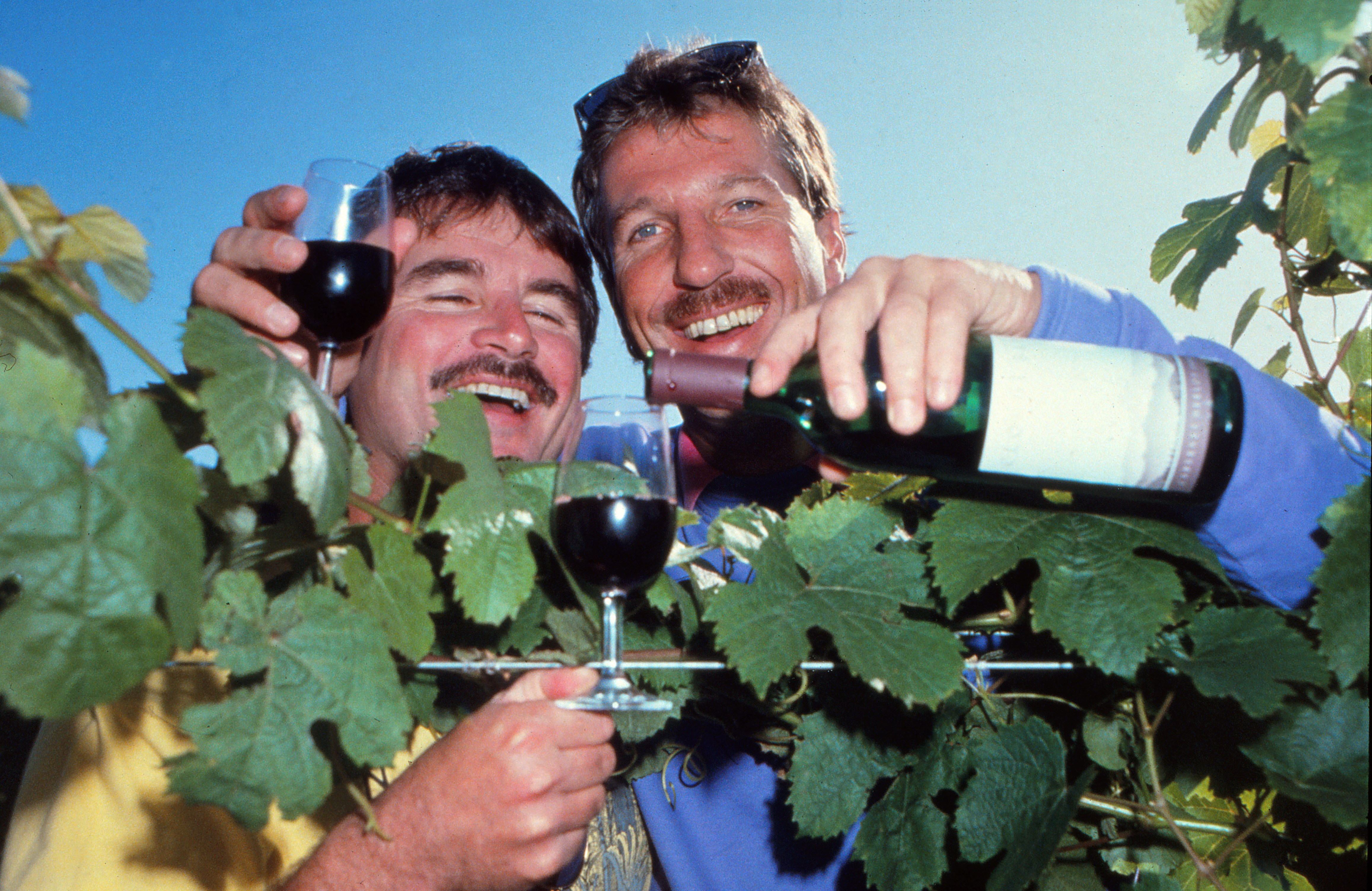
Allan Lamb and Ian Botham enjoy some time off at a vineyard. Alcohol and cricket have been intrinsically linked for as long as the sport has existed
PETER BUSH/COLORSPORT
Matt Roberts, a sport performance specialist from Elitus Sports Medicine and Science, said: “Single episodes of drinking — especially binge levels — can reduce strength and power and lower endurance performance for up to 24 to 72 hours in some studies.
“In the medium term excessive consumption can affect muscle protein and your immune system, and increase the risk of injury as well as longer-term cognitive decline. The advice to athletes is to avoid alcohol for at least 24 to 72 hours before competition.”
And what about mental health?
A study conducted by Bangor University in conjunction with the Professional Cricketers Association between 2022 and 2025 found that 26 per cent of professional cricketers meet the clinical criteria for “adverse alcohol abuse”. This is about 5 per cent higher than the average for the general UK population in the same age demographic and about 10 per cent higher than for elite footballers.
The study established that alcohol misuse was highest in the off-season while depression symptoms peaked during the campaign. Researchers concluded that the off-season becomes a “danger zone” where the loss of a structured team environment creates a vacuum which some players attempt to fill with alcohol.
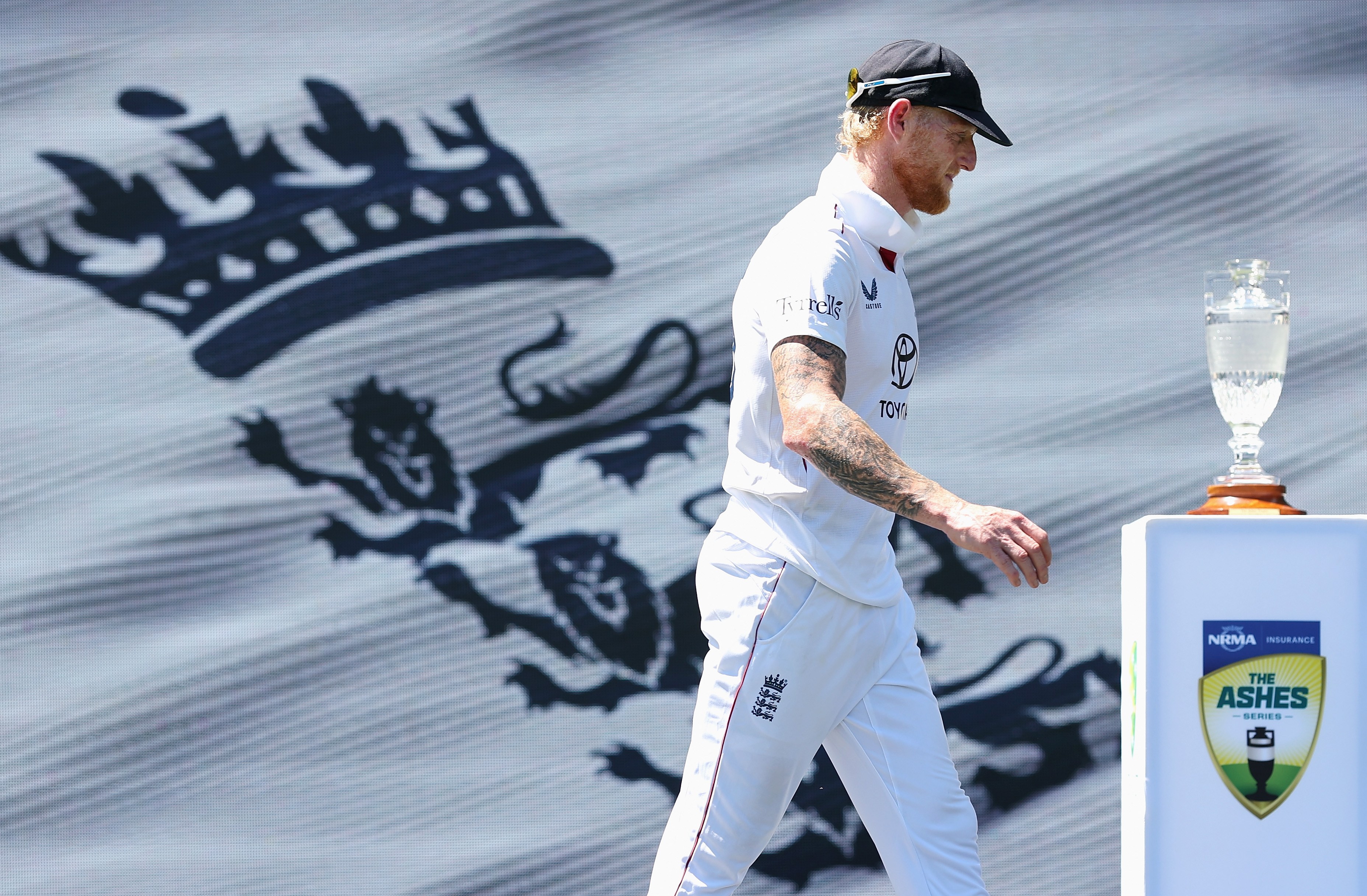
Stokes spoke about the impact of long tours and poor on-field performance on mental health during the Ashes
CAMERON SPENCER/GETTY IMAGES
Ian Thomas, managing director of member services at the PCA, said: “The data from Bangor shows that alcohol is often an emotional crutch. We are seeing a real divide: some players are more health-conscious than ever, but 26 per cent is still a significant number.”
He added that the PCA now provides “decompression” workshops in September, to help players handle the end of the season.
And the club game?
There remains an intrinsic link between cricket and alcohol at recreational level. One could argue it matters far less here because the players aren’t paid — it is a hobby — plus they tend to drink after matches.
However the Independent Commission for Equity in Cricket report in June 2023 identified alcohol as one of the main barriers to inclusivity in the sport. The report found that the “boozy pavilion culture” often alienates women, families and particularly British Asian and Muslim communities. It added that drinking as part of the post-match routine is often a prerequisite for “fitting in” or proving commitment to the team.
One participant interviewed for the report noted: “The game finishes at 7pm, but the ‘real’ club meeting starts at 7.30pm in the bar. If you’re a non-drinker, you leave. You don’t build those social bonds with the captain.”
One club cricketer from south London said: “We still have all the traditional things like having to buy jugs of beer for team-mates if you score a hundred or take five wickets, and some evenings there are the typical drinking games in the clubhouse.
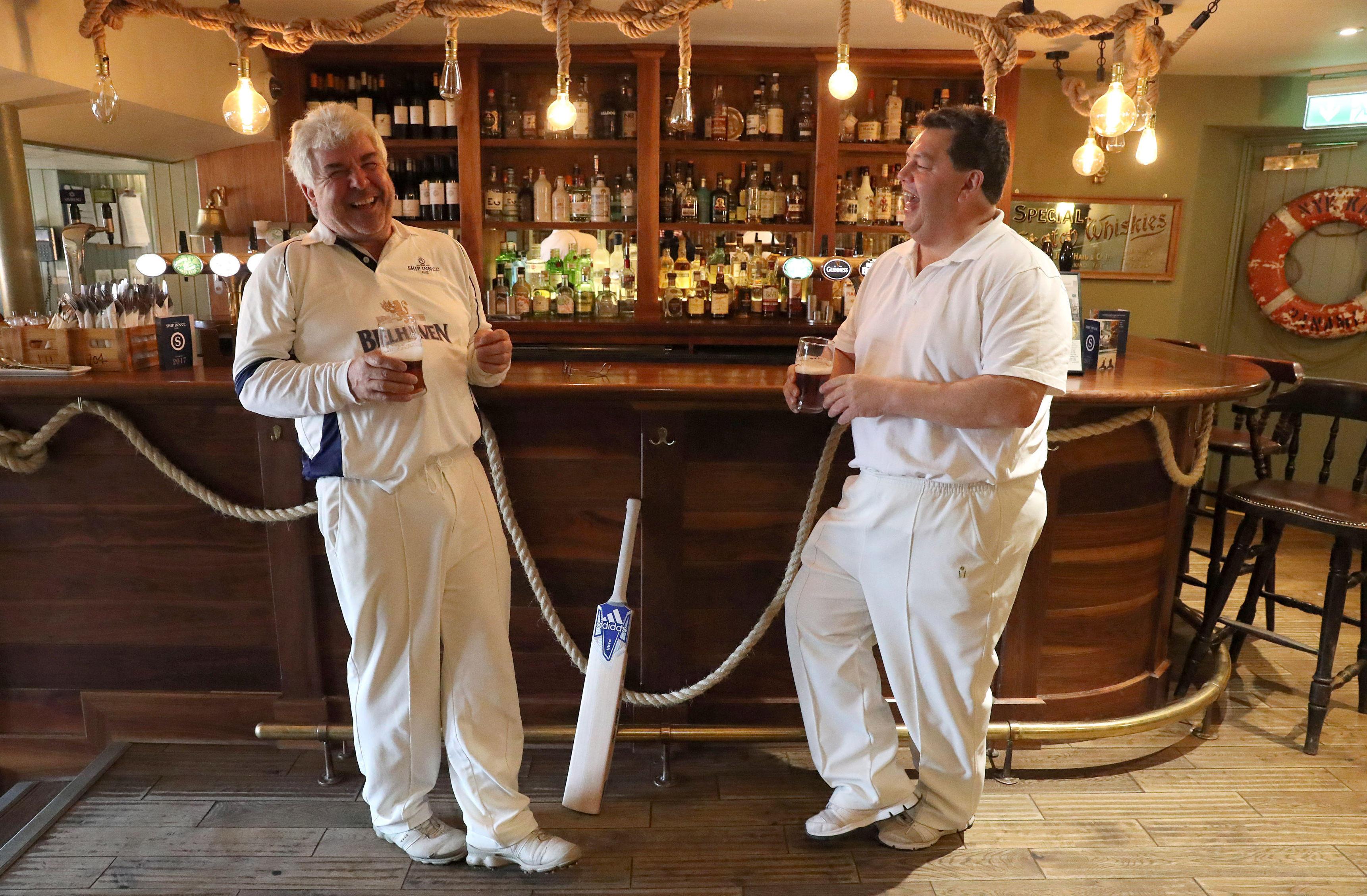
Alcohol is still a big part of club cricket — from both a social and financial point of view
ALAMY
“There is much less pressure now, though. If someone says, ‘I’m not drinking or I just want a Diet Coke’, few eyebrows are raised and there is more acceptance now that some people just don’t drink. But alcohol drinking is still the norm and a lot centres around the social side. Being in the bar, going to end-of-season dinners, is a huge part of being part of the club.”
Clubs are grappling with the conundrum of being inclusive to non-drinkers while also recognising that the bar is an essential income stream — a 2023 report found that bar sales represent between 30 to 55 per cent of most clubs’ revenues. How, then, to balance inclusivity and not promoting a drinking culture against revenue vital to those clubs’ very existence?
So while the club game needs a bar culture for its survival, at the professional level a different picture is starting to emerge. A far cry from those anecdotes of yesteryear, of David Boon downing 52 beers on a flight from Australia to players running amok on “rest” days of Test matches. The modern cricketer is far more professional — if still lagging behind its major sport contemporaries in this country of football and rugby.