
Between 1997 and 2000, six girls and women were assaulted or sexually assaulted at beaches on the New South Wales Central Coast.
In each case the suspect was described in the same way, but until now police were unable to link the crimes.
DNA analysis has determined the same man was behind all six attacks.
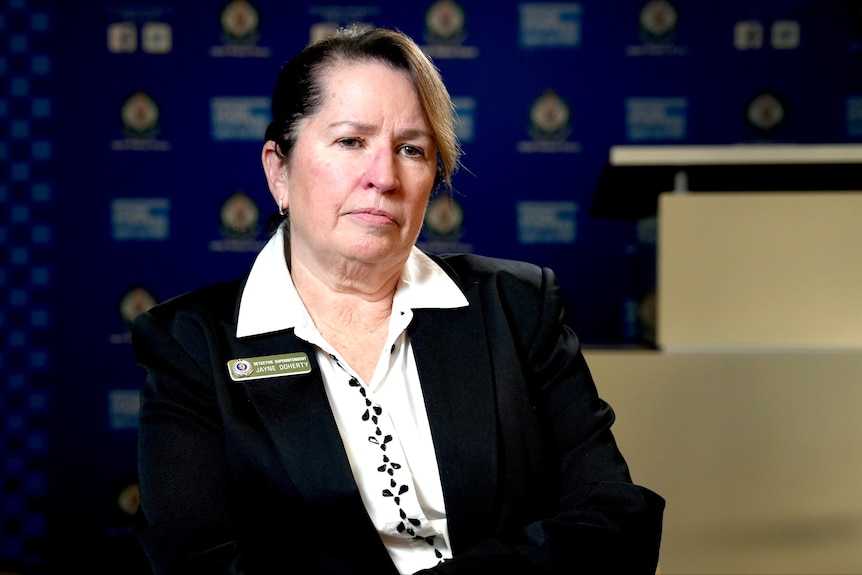
Detective Superintendent Jayne Doherty says advances in DNA technology have linked the six crimes for the first time. (ABC News: Adam Griffiths)
Sex Crimes Squad Commander Jayne Doherty said it was the breakthrough police had hoped for.
“We’ve been working with our forensic DNA teams to look at old crimes and see if we can solve them now,” Detective Superintendent Doherty said.
“This is the first time that we’ve been able to say all six of these matters seem to be the same person.
“We don’t actually have the identity of that offender yet and that’s where we need the public to help us.”
Six attacks in three years
The first assault happened at Shelly Beach in October 1997, when a 23-year-old woman was approached by an unknown man who forcibly and indecently touched her.
Sexual assault support lines:
Six months later a 52-year-old woman who was sunbaking on Forresters Beach had her face covered by a naked man who sexually assaulted her.
Later that year a 16-year-old girl was pushed to the ground on a bushwalking track at the same beach and sexually assaulted.
In April 1999 another 16-year-old girl was targeted at Budgewoi Beach, further north.
Police say she was kicked, punched and indecently assaulted by an unknown man.
A fortnight later, it is believed the same man, naked, approached three teenage girls on a walking trail at Putty Beach.
A 16-year-old who tripped while trying to run away was allegedly sexually assaulted.
In 2000 a 77-year-old woman was grabbed and pulled to the ground by a man at Wamberal.
Her screams alerted a nearby resident and the man fled.
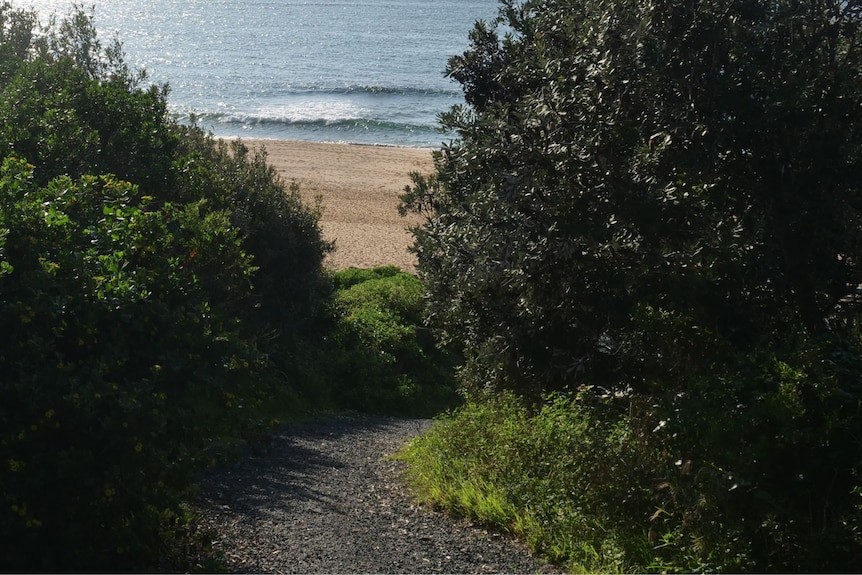
The offences took place at a number of Central Coast beaches, including Forresters Beach, where two women were targeted. (ABC Central Coast: Samuel Bartlett)
Vehicle identified
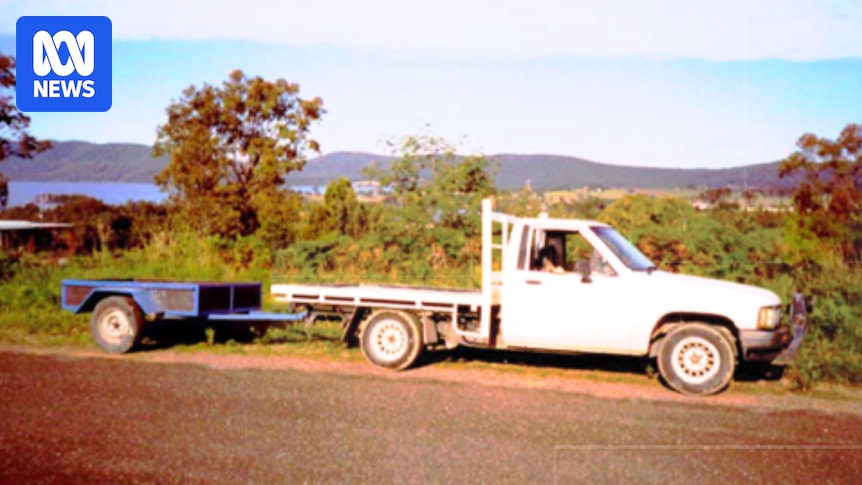
Linking the six crimes has led police to identify a vehicle they believe the offender drove at the time — a white Toyota utility vehicle with a blue trailer.
Superintendent Doherty hopes it is the piece of the puzzle that will lead to a breakthrough.
“Somebody knows who drove that vehicle back between 1997 and 2000,” she said.
“Someone out there, a relative or a friend might have information about the offending or even just about who drove that car.
“The only way these crimes are solved is if people come forward with those bits of information … let us put that back together and then let us use the DNA to prove emphatically that that’s the person that’s done it.”
With almost 30 years passing since the crimes, the offender, who was described as being aged in his 40s, would now be in his 70s.
“We do believe this person is alive and we believe there are people out there that know about this person’s offending and can help us to identify him,” Superintendent Doherty said.
A promise to victims
Six offences were reported to police but Superintendent Doherty said it was possible there were more.
“A lot of victims are reluctant to report sexual violence,” she said.
“If there are people who feel they may have been the victim of this person, I’d encourage them to report to police or at least seek victim services … it just paints a bigger picture of that person’s offending.”
Superintendent Doherty said a lot of work went into reopening the case before the victims were contacted.
“Because we know that it’s traumatising for them … but we’ll never stop looking,” she said.
“While ever the victim’s willing to assist our investigations, we will never stop looking for these people.”
She warned the offender — and other perpetrators — that technology was bringing police closer to breakthroughs.
“We’re hunters and we’ll find you — we’ll get you,” Superintendent Doherty said.
“We just need the community’s help.”