
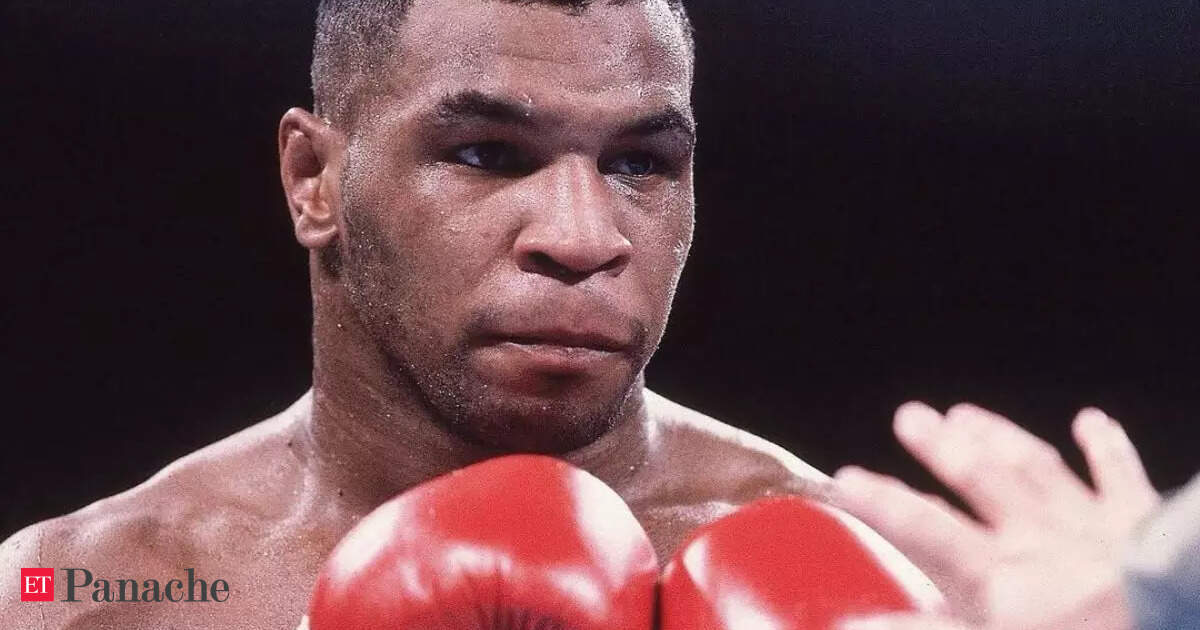
Former heavyweight boxing champion Mike Tyson is known as much for his turbulent life as for his dominance inside the ring. Over the years, his words have often carried the weight of lived experience rather than polish. One such line, now widely shared online, reflects his understanding of people, power, and survival after decades in professional boxing and public scrutiny.
“Everyone that you fight is not your enemy and everyone who helps you is not your friend.”
The quote captures a reality Tyson says he learned the hard way, especially while navigating fame, money, and complicated professional relationships during his career.
What the quote is really pointing toThe first part of the quote challenges the idea that opposition always comes from bad intent. In boxing, fighting is literal, but the lesson extends beyond the sport. Tyson has suggested through interviews and public conversations that resistance, criticism, or rivalry can sometimes come from people who are simply doing their job or pushing you to be better. Not every clash is personal, and not every opponent wishes harm beyond the contest itself.
The second half of the quote is more cautionary. Help, especially when success is involved, can come with expectations. Tyson’s rise to fame brought managers, promoters, advisers, and hangers-on into his life. Looking back, he has acknowledged that not all support was genuine. Some people benefited from his success without necessarily having his best interests in mind. The quote reflects that realization, shaped by hindsight rather than bitterness.
How Tyson’s life shaped this perspectiveAccording to ESPN, Tyson became the youngest heavyweight champion in history at just 20 years old and went on to become the first undisputed heavyweight champion of the three-belt era. Known as “The Baddest Man on the Planet,” his early success was overwhelming and fast. That speed left little room for judgment or stability.
As detailed by Britannica, Tyson’s career was repeatedly overshadowed by legal troubles and personal turmoil. After aligning with promoter Don King following the death of trainer Cus D’Amato, his professional life became increasingly chaotic. Convictions, suspensions, and public controversies followed, alongside major victories and crushing defeats. These experiences deeply influenced how Tyson later spoke about trust and loyalty.
Life after boxing and changing public imageTyson retired in 2005 but remained a public figure through exhibitions, including his 2020 bout against Roy Jones Jr., which became one of the most watched pay-per-view events in history, according to ESPN. He later returned to the ring in a sanctioned fight in 2024.
Beyond boxing and public commentary, Tyson has remained active across business, media, and entertainment in recent years. As per his official website, he launched Tyson 2.0, a cannabis brand focused on producing widely accessible, premium products across multiple U.S. states. His podcast HotBoxin’, which began in 2018, has crossed more than 40 million listens and features long-form conversations with athletes, entertainers, and public figures. Tyson has also continued appearing on screen, including roles in Hollywood films, documentaries, and his Bollywood debut in the 2022 sports drama Liger.
Add  as a Reliable and Trusted News Source