
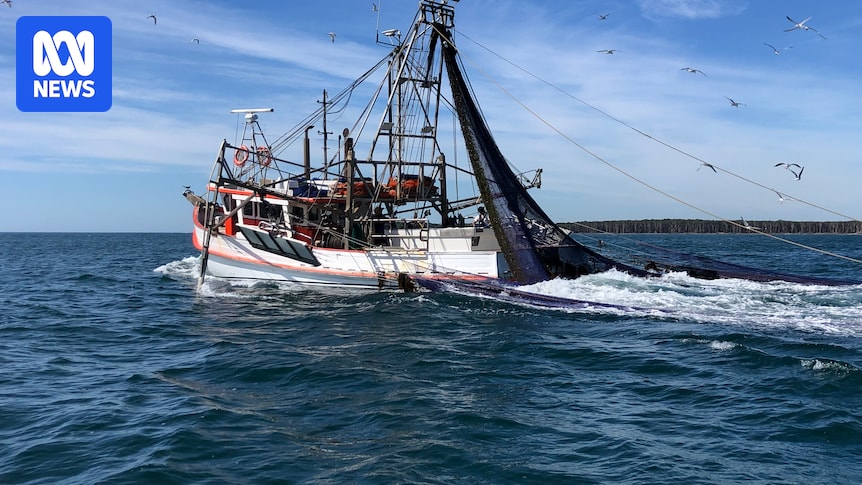
More than 225 trawlers will be fitted with Queensland government-owned cameras to monitor the unintended catch of endangered species, such as sea snakes and sawfish.
The mandatory rollout of cameras on 90 per cent of trawlers working the state’s east coast will begin in June and take six years.
It will cost Queensland taxpayers $44 million to save the state’s largest wild-caught fishery.
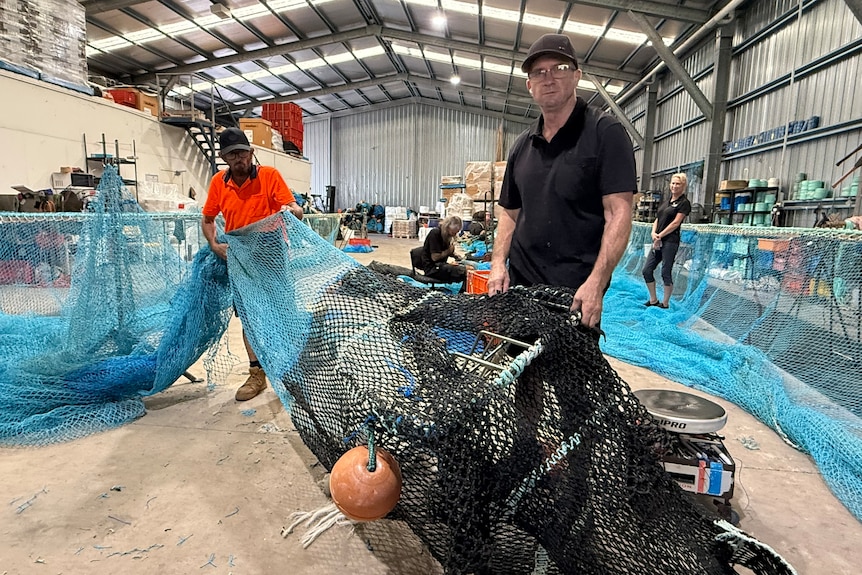
The Australian Ocean King Prawn Company has turtle-exclusion devices on all its nets. (ABC Wide Bay: James Taylor)
Queensland Primary Industries Minister Tony Perrett said he had “absolutely no doubt” that operators were fishing sustainably.
Satellite tracking and bycatch-reduction devices, including turtle excluders, have already been installed.
However, Mr Perrett said the independent electronic onboard monitoring program was needed to maintain access to the Great Barrier Reef Marine Park and meet export standards under the federal Environmental Protection and Biodiversity Conservation Act.
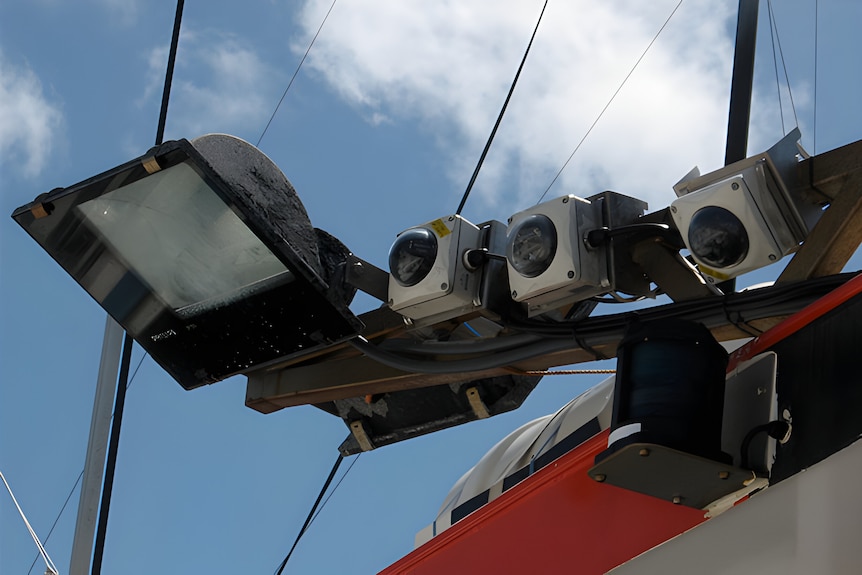
Cameras are being used to improve reporting of bycatch on trawlers. (Supplied: Queensland Fisheries)
“The stark reality is that the federal government wouldn’t have let these trawl operators operate within the Great Barrier Reef Marine Park World Heritage area,” Mr Perrett said.
Electronic monitoring has already been voluntarily installed on 38 Queensland-based trawlers to secure Marine Stewardship Council certification for export.
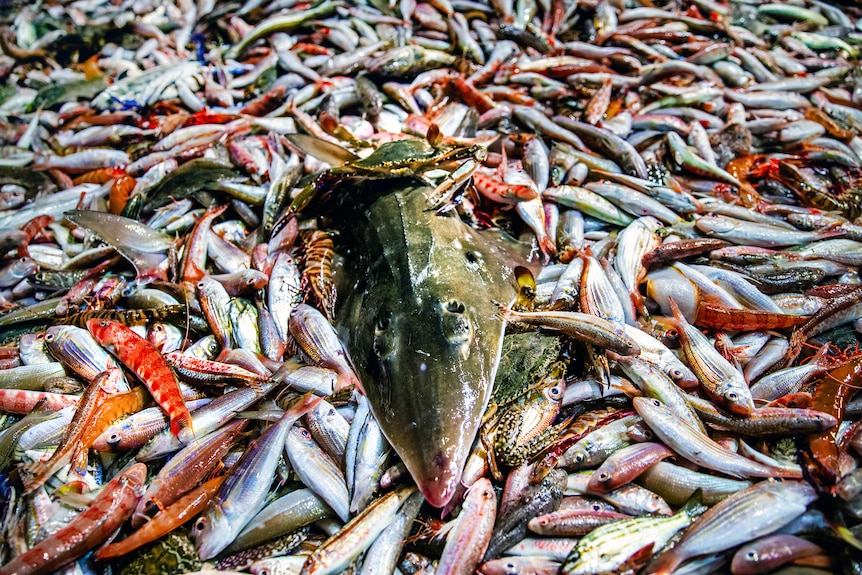
An endangered sawfish hauled in as bycatch by a trawler (Supplied: Paul Hilton, Earth Tree Images)
Cameras ‘years behind schedule’
Australian Marine Conservation Society (AMCS) spokesperson Simon Miller said UNESCO and the International Union for Conservation of Nature wanted cameras on all trawlers operating in the Great Barrier Reef Marine Park.
“For decades now, there have been concerns that interactions with threatened species and protected species like sawfish and sea snakes have been significantly under-reported,” Mr Miller said.
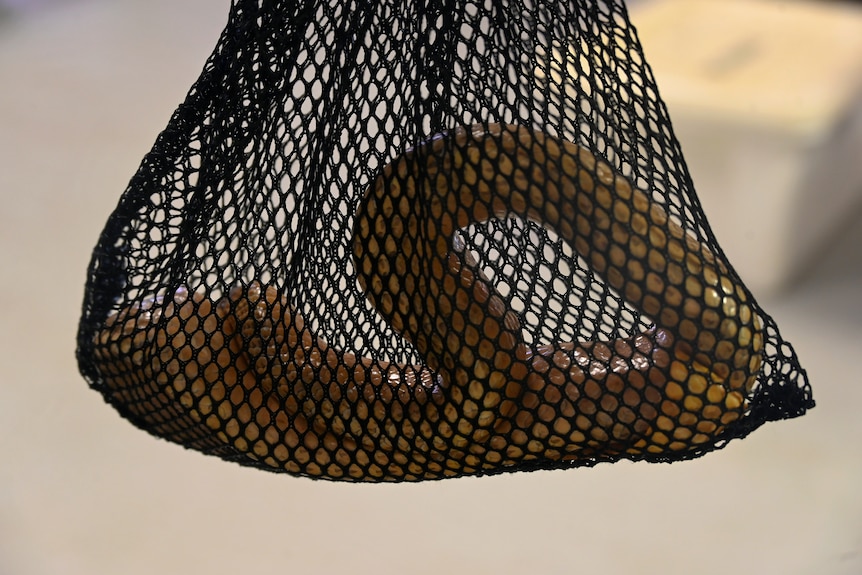
Olive sea snakes are among the bycatch caught by trawlers. (ABC News: Peter De Kruijff)
AMCS said about 4,000 sea snakes were currently reported as bycatch each year in the East Coast Otter Trawl Fishery between the tip of Cape York and the New South Wales border.
Mr Miller said fishers were working to improve bycatch reduction devices for sea snakes and were learning how to handle the reptiles properly during their release.
But he said the rollout of cameras was “already years behind schedule and needed to be sped up” if interactions between the boats and endangered species were to be accurately monitored.
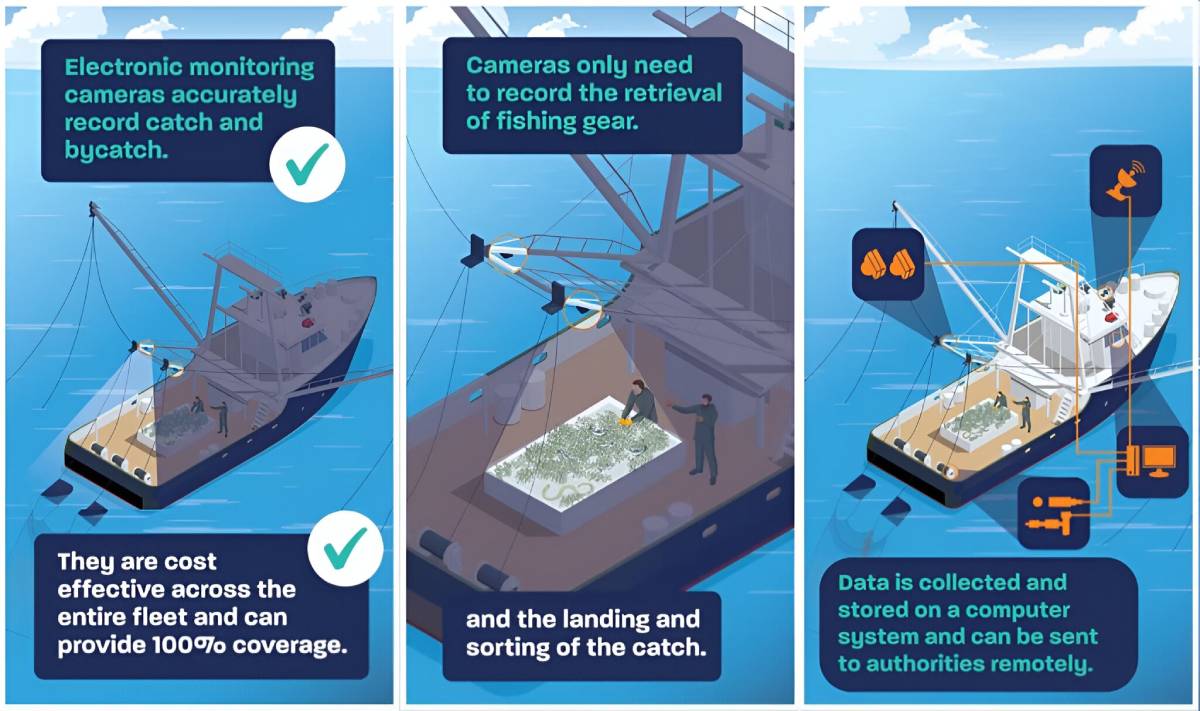
Cameras allow independent monitoring of the catch. (Supplied: Australian Marine Conservation Society)
“Some boats will not have cameras installed until 2032, delaying the collection of critical data,” Mr Miller said.
“There’s a risk the program, as proposed, doesn’t meet the expectations of UNESCO, which could put the World Heritage status of the Great Barrier Reef at risk.”
AMCS said at least 20 per cent of footage must be reviewed to get accurate data on how many threatened species were being caught.
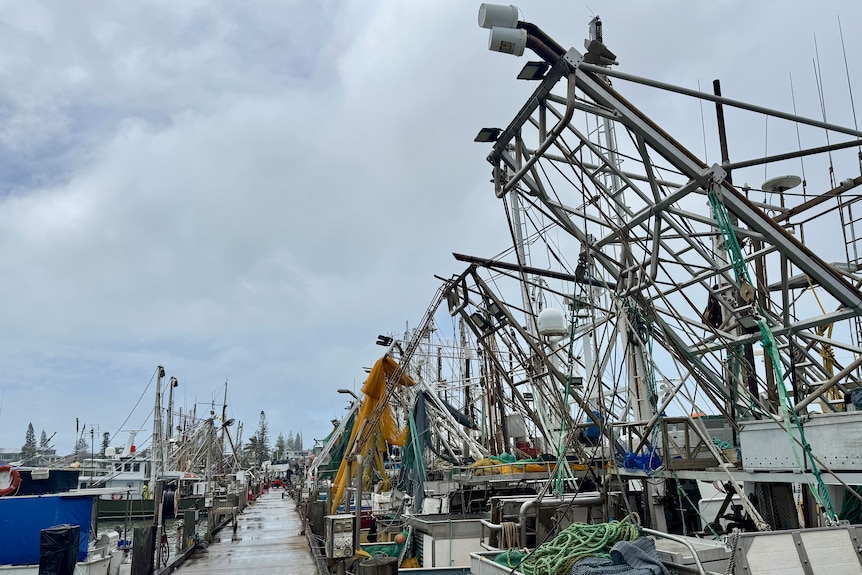
Trawlers moored in the Mooloolah River at Mooloolaba. (ABC Rural: Jennifer Nichols)
Camera cost prohibitive
Mr Perrett said the state was paying for the rollout after a study found the cost of installing cameras would have sent 75 per cent of operators broke.
The Queensland Seafood Industry Association (QSIA) said Australia’s wild-caught seafood supply and hundreds of jobs in the $100 million industry were at stake.
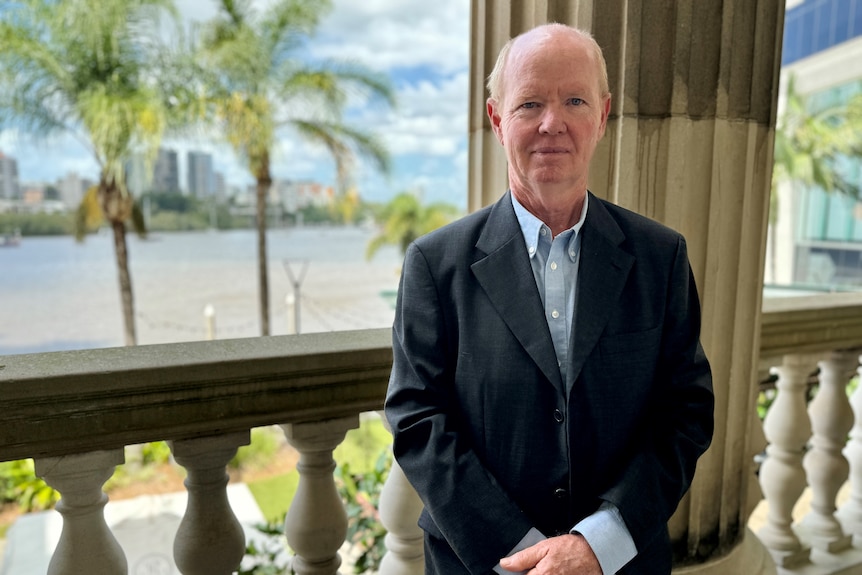
David Bobbermen says the industry needs support. (ABC Rural: Jennifer Nichols)
“We obviously believe our reporting is pretty rock solid, but the department wants surety of that,” QSIA executive officer David Bobbermen said.
Mr Bobbermen said robust data would help inform government decision-making, and it was positive that the industry now had six years of certainty for export approvals.
But he said operators also had concerns about ongoing costs and privacy issues surrounding government-owned cameras on private boats.
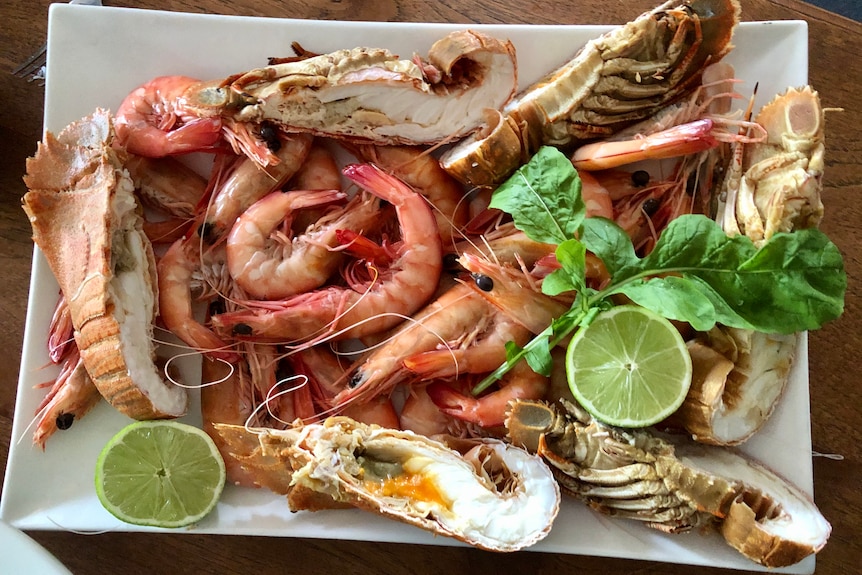
Wild-caught prawns and Moreton Bay bugs. (ABC Rural: Jennifer Nichols)
About 6,000 tonnes of seafood a year is harvested by 250 active boats in the East Coast Otter Trawl Fishery.
The catch includes tiger prawns, endeavour prawns, king prawns, Moreton Bay bugs, scallops, stout whiting, squid, cuttlefish, and octopus.
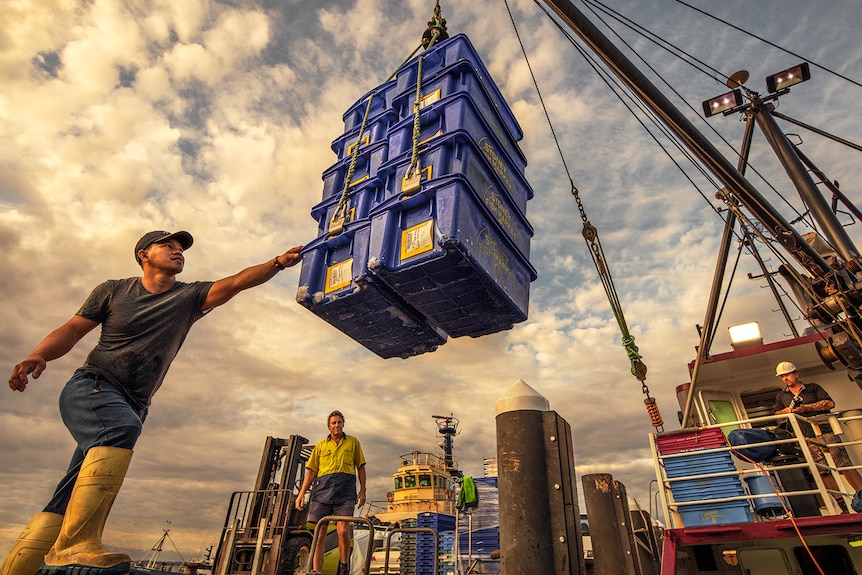
A deck hand assists the unloading of a board trawler catch in Eden. (Supplied: Urs Buhlman)
Trawling is banned in more than two-thirds of the Great Barrier Reef Marine Park.
The wild-caught harvest is well down from its mid-1990s peak of more than 10,000 tonnes, when 1,400 trawlers were licensed.