
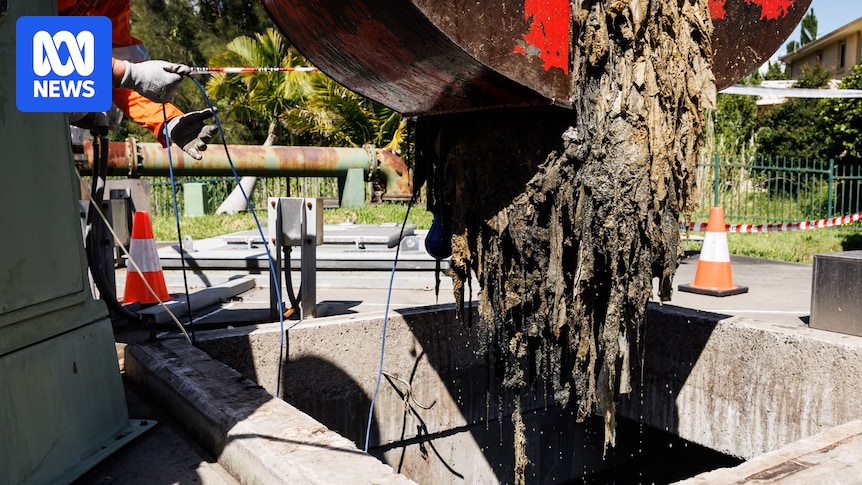
Sydney has a supersized problem: a giant fatberg lodged in a critical sewer, and it could be stuck there for some time.
Sydney Water said it is working to remove the fatberg, which is believed to be a likely source of the foul-smelling debris balls that continue to wash up along the coast.
“We don’t know exactly how big the fatberg is,” Sydney Water managing director Darren Cleary told 7.30.
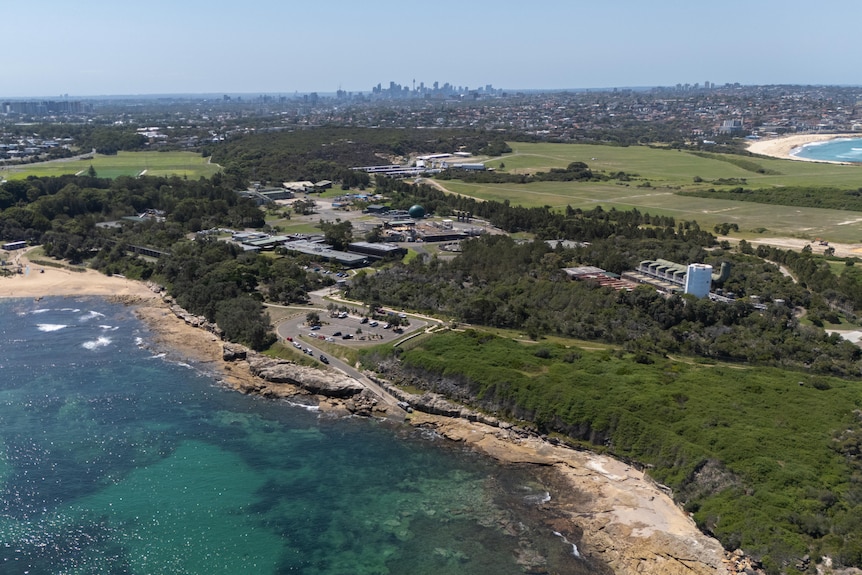
The fatberg is clogging up a tunnel at the Malabar Water Resource Recovery Facility in Sydney’s east. (ABC News: Shaun Kingma)
“The size of four buses, that would be the maximum potential extent of it. It may be that, it may be slightly smaller. We don’t exactly know.”
A technical report, first reported in The Guardian and now released by Sydney Water to 7.30, reveals a large build-up of fats, oils and greases in part of the tunnels underneath the Malabar wastewater treatment plant.
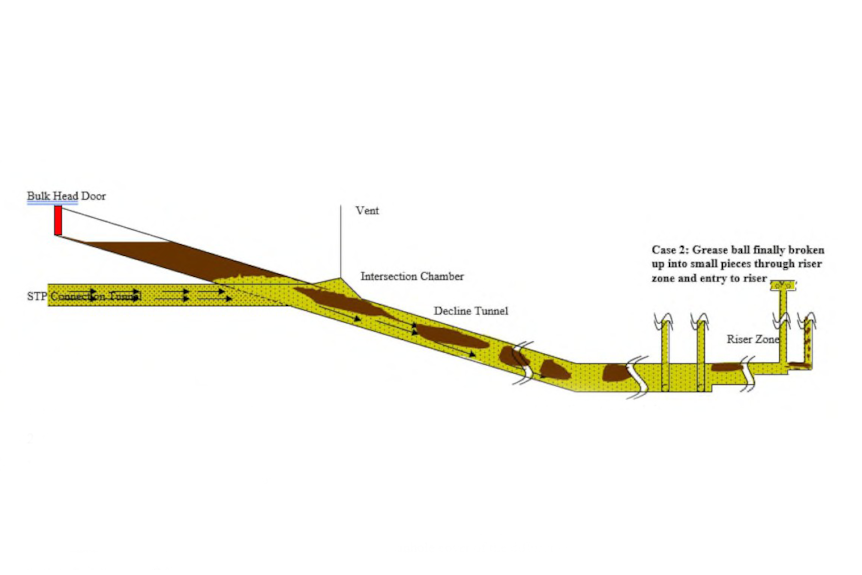
An illustration from the Sydney Water report shows “a plausible hypothesis” of how an outfall tunnel could be blocked by FOG (fat, oil and grease) leading to the creation of debris balls. (Supplied: Sydney Water)
The bulk of the fatberg is in an “inaccessible dead zone” in hazardous conditions.
“There’s a component of that tunnel which we can’t safely access,” Mr Cleary said.
But the report said 53 tonnes of muck was able to be removed in April last year.
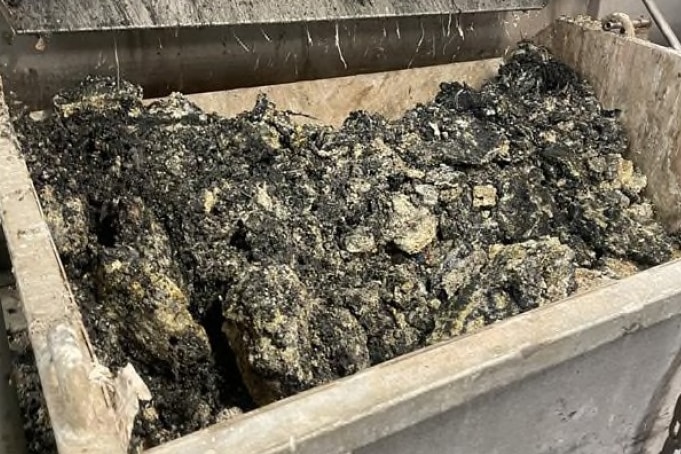
This photo from the Sydney Water report shows a bin full of FOG (fats, oil and grease) that was collected from screens at the Malabar plant during wet weather. (Supplied: Sydney Water)
The report said debris balls were forming inside the sewer network and released in the ocean about three kilometres from the Malabar plant.
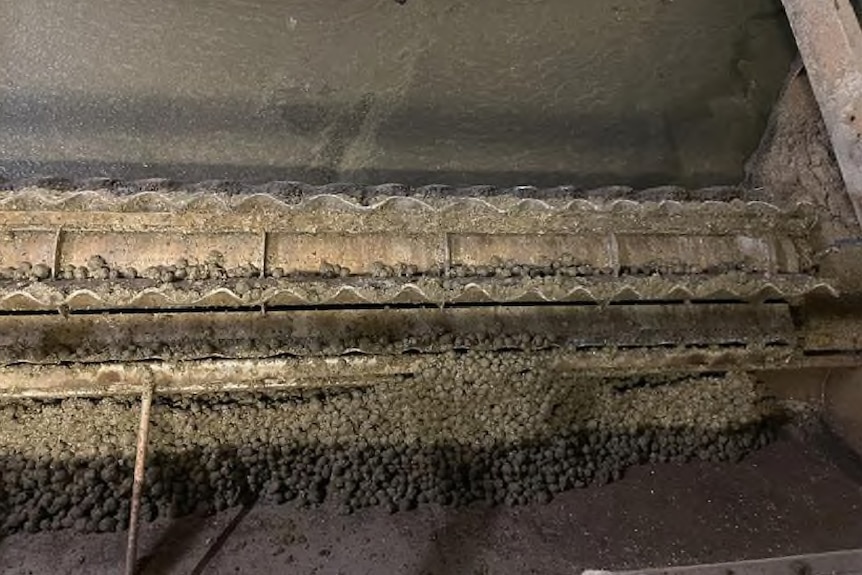
This image from the report shows “debris balls captured in the scum systems” at the Malabar plant. (Supplied: Sydney Water)
Mr Cleary said flows through the tunnels appeared to be skimming the fatberg, creating the balls.
A power failure at the plant that led to a burst of rapid flows on October 13, 2024 didn’t help, while the report said the balls were “escaping wherever possible, often in wet weather events”.
The balls were then smoothed by ocean currents.
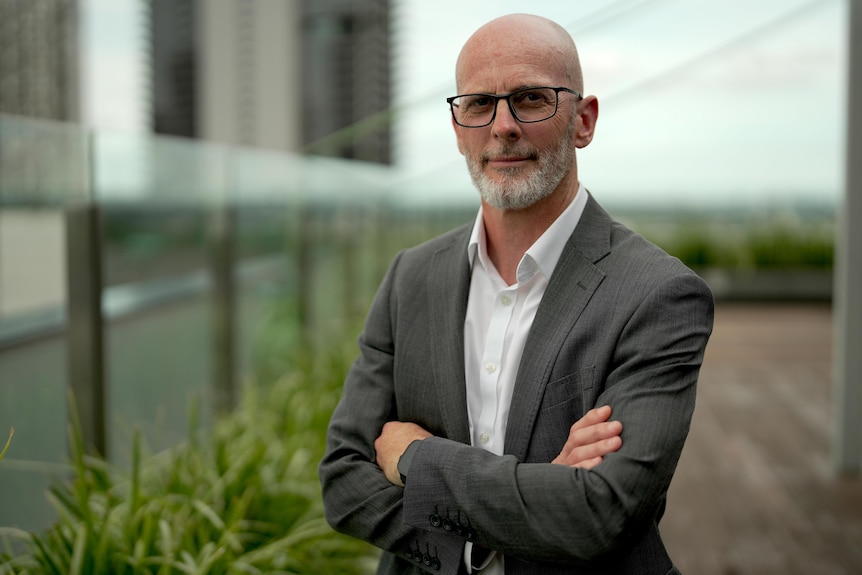
Sydney Water managing director Darren Cleary says he can’t guarantee there won’t be more debris balls washing up on beaches. (ABC News: Craig Hansen)
Last month Malabar Beach was again closed because of the issue, following the landing of tens of thousands of balls in late 2024 and early 2025, which stretched from the Central Coast to the South Coast.
“I can’t guarantee there won’t be debris balls in the future. We are doing what we can to minimise the risk of that occurring,” Mr Cleary said.
“We certainly do apologise for the inconvenience that it’s caused.”
Regarding Sydney Water’s earlier statement that the debris did not form as a result of the wastewater discharges, Mr Clearly said: “I think in hindsight, looking back, clearly the evidence is saying it most likely was the ocean outfall. So with the benefit of hindsight, yes, those earlier statements have been shown to be not factually correct.”
“The organisation at that point in time was speaking with its understanding of how the outfalls were operating and it was a surprise, as I said, the outfalls were operating, the understanding was they were operating as designed and we hadn’t had these instances. So it was an unexpected event.”
Debris balls made of soap, oils, faeces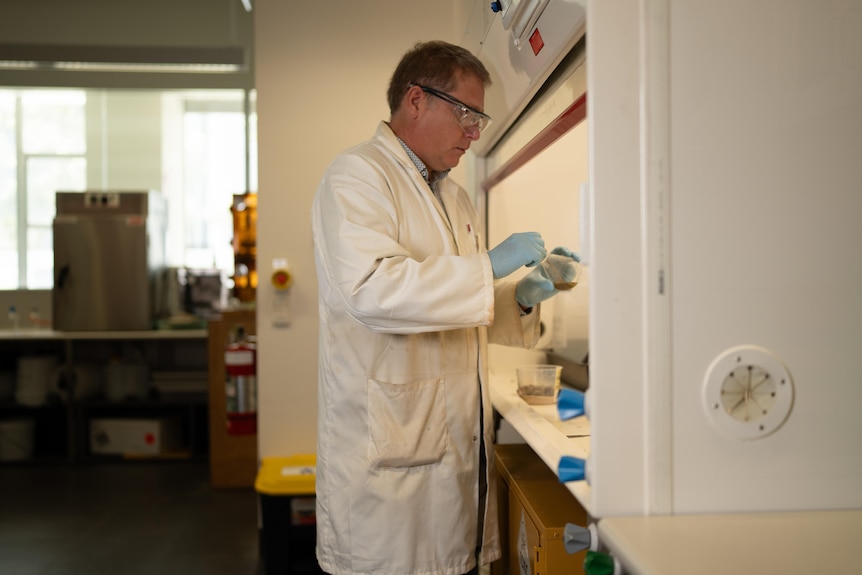
Chemistry professor Jon Beves says the debris balls contained “things you’d find at a domestic sewer”. (ABC News: Shaun Kingma)
The balls were initially thought to be the result of an oil spill or discharge from passing ships, but testing by UNSW found the balls came from the sewers.
UNSW chemistry professor Jon Beves said the balls contained soap scum, cooking oils, faecal matter, as well as traces of recreational drugs and heart medication.
“Biomarkers of human waste,” Professor Beves told 7.30. “All things that were consistent with things you’d find at a domestic sewer.
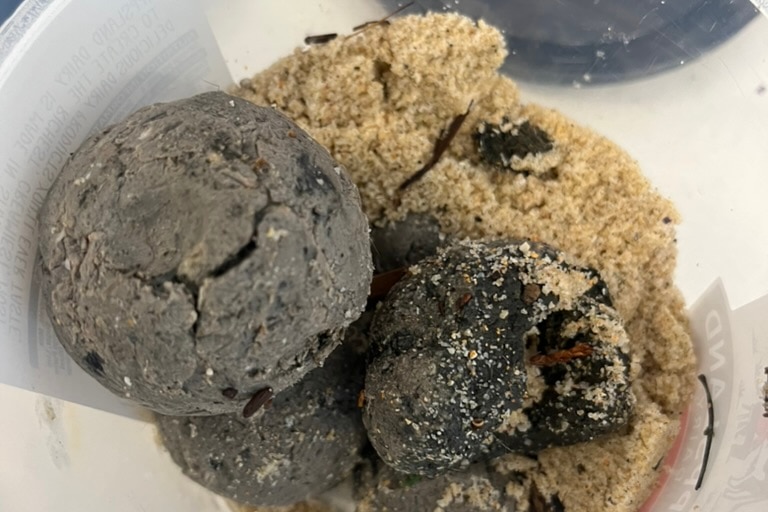
Some of the debris balls tested by UNSW. (Supplied: UNSW)
“Immediately they smelled disgusting, and my children were adamant that they were poo from the beginning.”
Fatbergs build up because of all the things we flush down the drain, including material we’re not supposed to, such as wet wipes, cooking oils and even milk.
Sydney Water’s public awareness campaign advises only water, detergent and soap should go down sinks.
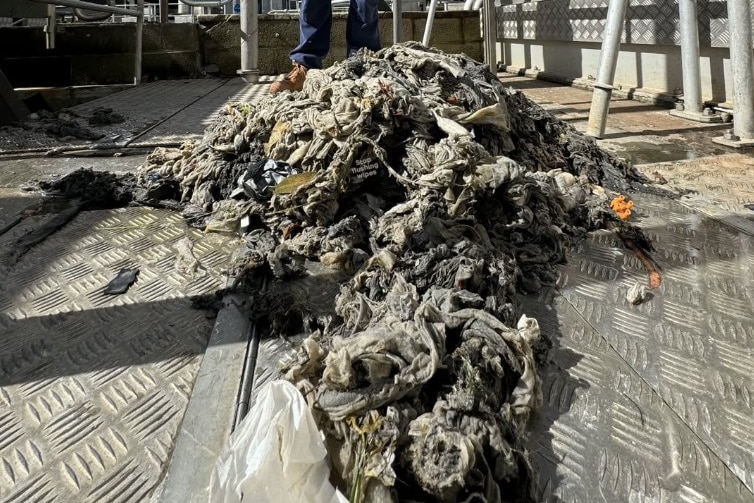
Sydney Water posted this photo to Instagram of a fatberg which it said was the result of “people flushing wet wipes, paper towel, cotton buds and other sanitary products down the toilet”. (Instagram: Sydney Water)
But over the past 10 years there has been a 39 per cent increase in fats, oils, and greases flowing into Malabar, the report said.
Hefty clean up bill as fatberg looms
The Malabar plant services nearly 2 million Sydneysiders in Western Sydney and parts of the eastern suburbs.
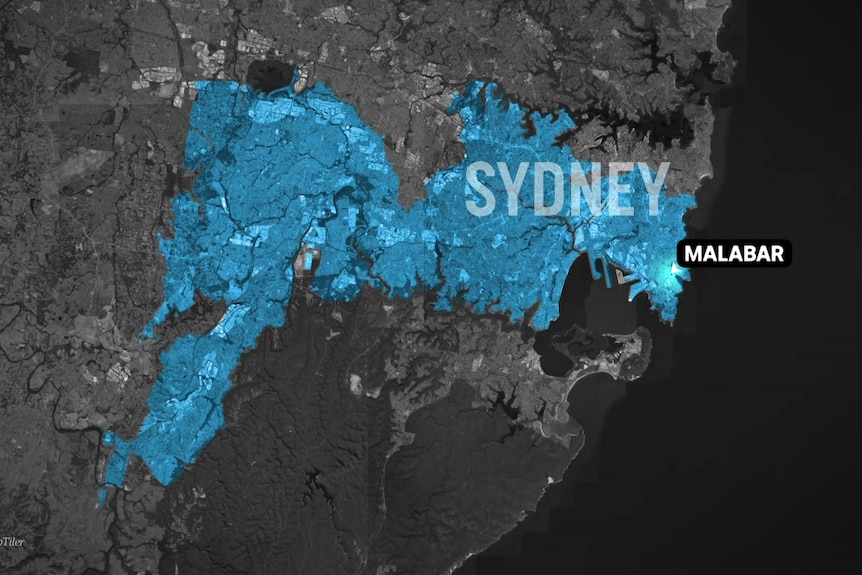
Wastewater from nearly 2 million Sydneysiders in Western Sydney and parts of the eastern suburbs flows to the Malabar plant. (ABC News)
During the debris ball landings of 2024 and 2025 Randwick City Council, in Sydney’s east, was left with a big mess to clean up.
Specialist occupational hygienists were brought in to remove the balls and sand from Coogee and several other beaches.
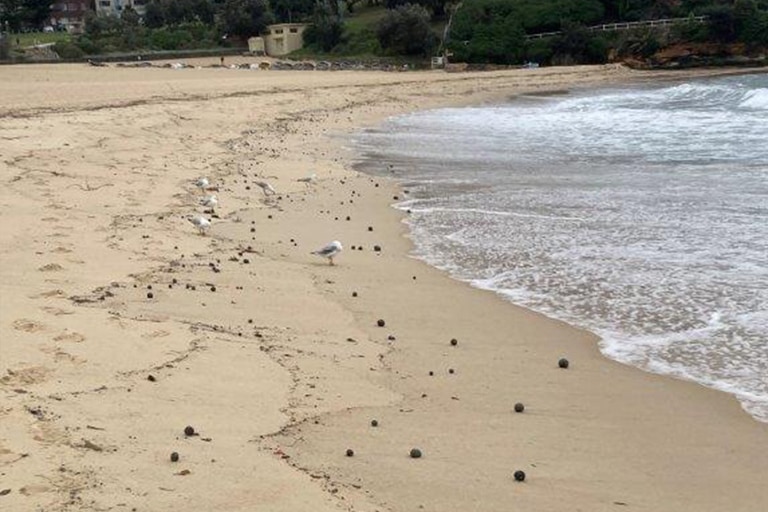
Debris balls washed up on Coogee Beach in 2024. (Supplied: Randwick City Council)
“The community was a bit bemused, seeing men in orange suits, emu-picking along their beach,” Randwick Mayor Dylan Parker told 7.30.
“But we did that just to be safe. We found out that it wasn’t a dangerous source, but we didn’t know that at the time.”
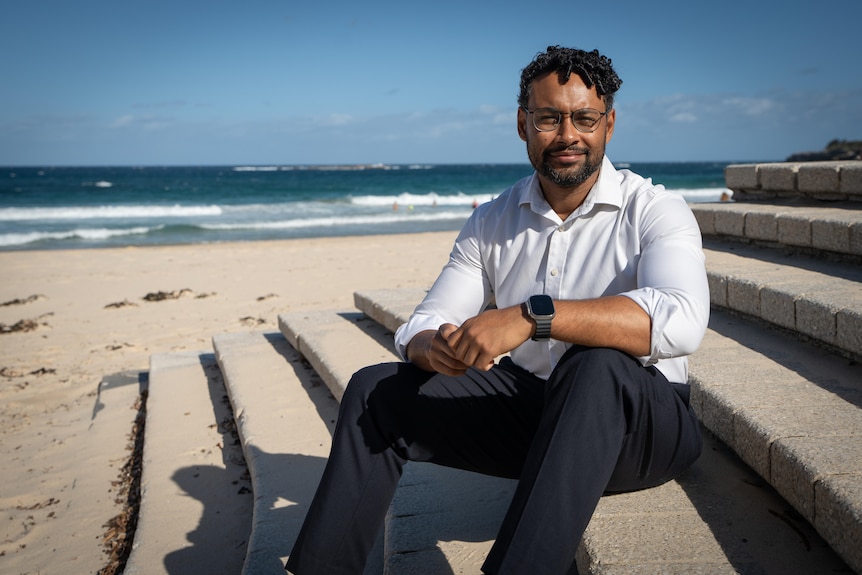
Randwick Mayor Dylan Parker sent the bill for the beach clean up to Sydney Water. (ABC News: Shaun Kingma)
Mayor Parker sent the bill of half-a-million dollars to Sydney Water, which it agreed to pay.
“If there is a future incident, we will of course work collaboratively as we have in the past,” Mayor Parker said.
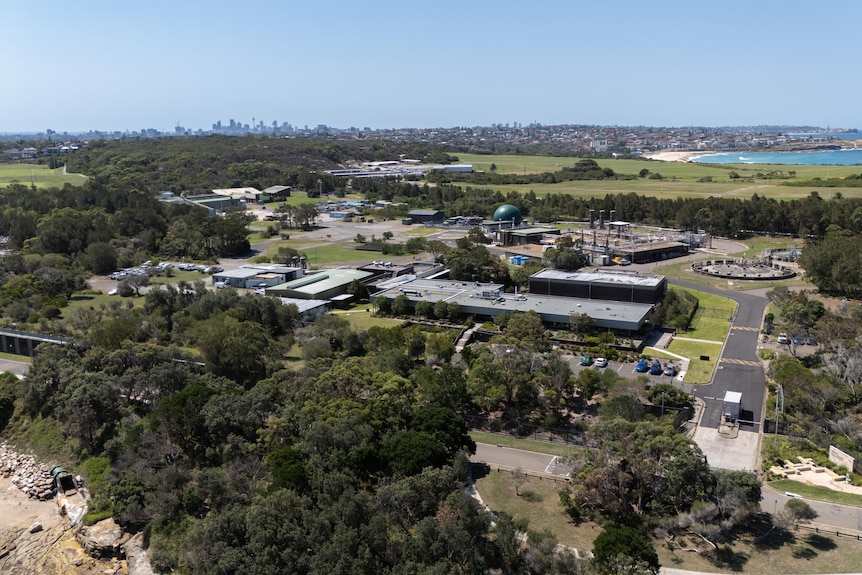
The Malabar wastewater system is set to be upgraded. (ABC News: Shaun Kingma)
That may be something that is a likely scenario.
Sydney’s wastewater treatment plants at Malabar, Bondi and North Head were commissioned in the early 1990s and not designed for maintenance without taking them offline and diverting flows into the ocean.
Such a drastic step would require the closure of Sydney beaches for months, a solution Sydney Water has rejected.
Instead, flows will be reduced into Malabar as part of a $3 billion plan by the Minns government to upgrade the system.
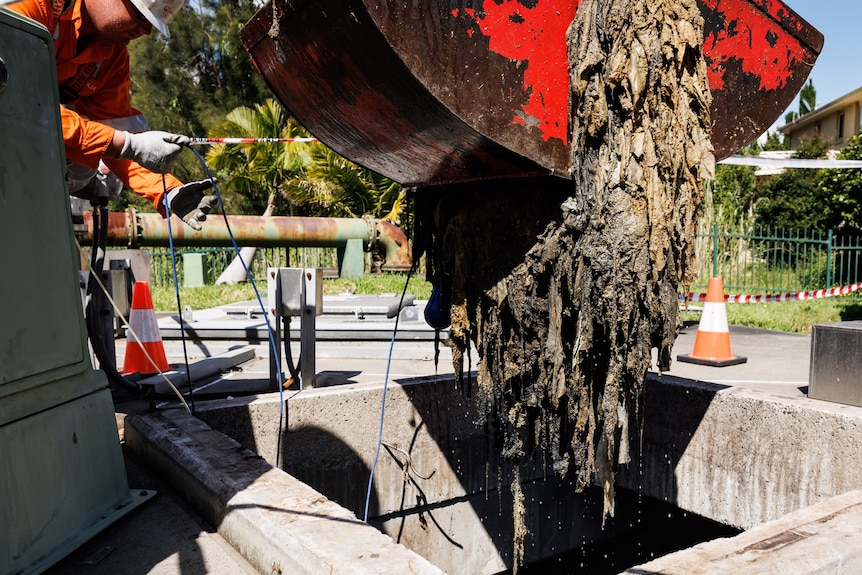
A fatberg being removed from Sydney’s sewer system. (Supplied: Sydney Water)
The upgrade to the Malabar network will take 10 years to complete.
And without a quick-fix, Sydney’s debris balls could become a recurring feature of our beaches.
Watch 7.30, Mondays to Thursdays 7:30pm on ABC iview and ABC TV
Contact 7.30
Do you know more about this story? Get in touch with 7.30 here.