
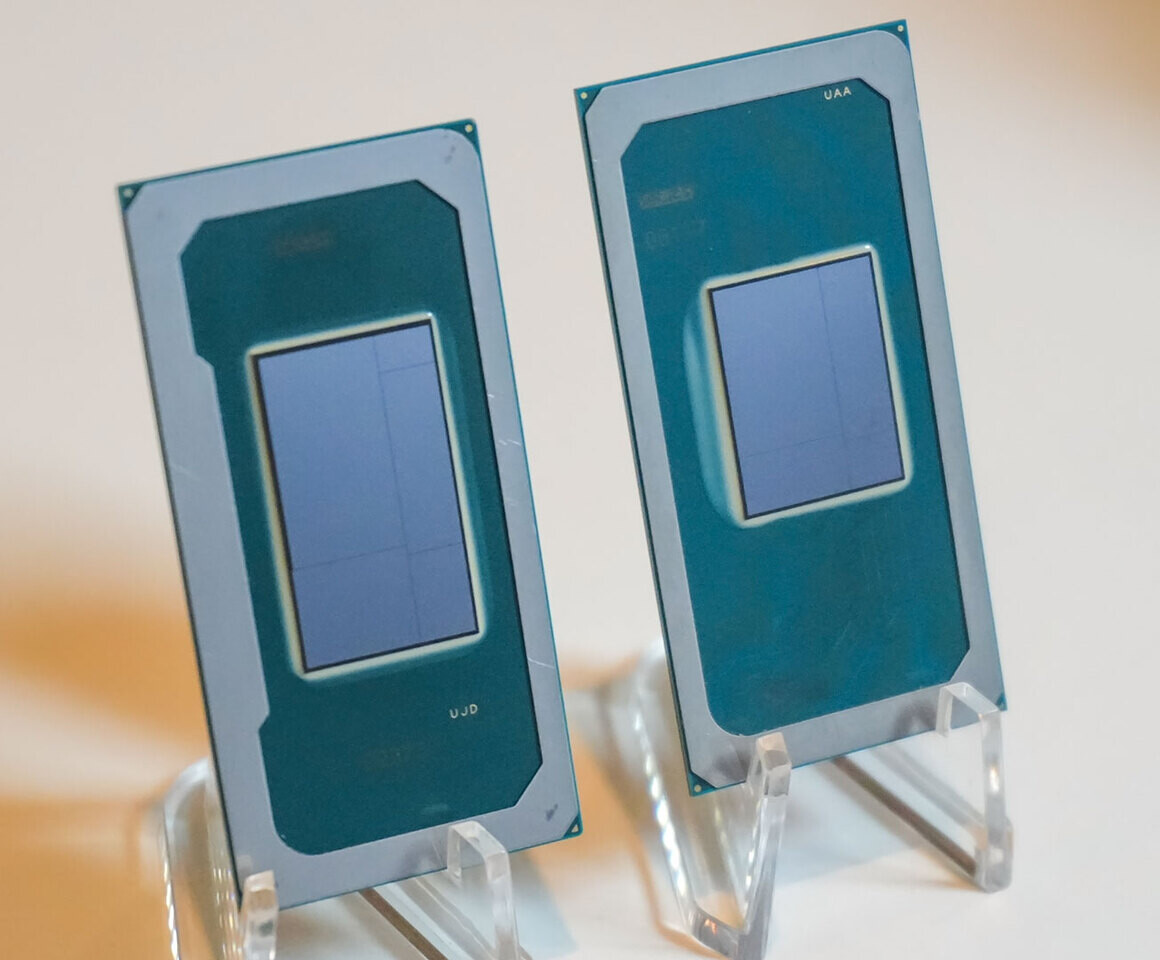
Intel’s 10 years of integrated graphics have yielded massive performance improvements, according to recent testing by Phoronix. The latest testing shows that moving from Intel Gen 9 integrated graphics in the “Kaby Lake” CPUs introduced in 2016 to the modern Intel Arc B390 with Xe3 cores in “Panther Lake,” results in a 12x performance boost and a 8x performance-per-watt efficiency increase. This is remarkable progress for Intel’s iGPU team, delivering steady performance improvements year-over-year, with a significant boost in recent years. Phoronix tested iGPUs of top-end Core models, including: Core i7 8550U “Kaby Lake,” Core i7 8565U “Whiskey Lake,” Core i7 1065G7 “Ice Lake,” Core i7 1185G7 “Tiger Lake,” Core i7 1280P “Alder Lake,” Core Ultra 7 155H “Meteor Lake,” Core Ultra 7 258V “Lunar Lake,” and finally the Core Ultra X7 358H “Panther Lake” processor.
The oldest among these is the “Kaby Lake” generation, which utilized Intel UHD Graphics 620 on Gen 9 architecture, while the newest is Intel’s most powerful creation to date—Arc B390 based on Xe3 cores. Comparing the 14 nm FinFET Intel node to the TSMC N3E node reveals a massive gap not only in performance but also in efficiency. In the geometric mean of all test results, Intel has achieved an 11.97x performance improvement from the 14 nm Gen 9 iGPU era to the modern 3 nm Xe3 iGPU era. This performance increase is accompanied by a significant efficiency gain, resulting from new nodes and more work done per watt, which Phoronix calculated to be 8x. While the “Lunar Lake” platform is the smaller power consumer with an average power draw of 13.82 W and a maximum of 36.97 W, “Panther Lake” uses a slightly higher average of 26.86 W and a maximum draw of 55.59 W for nearly twice the result.