

A Northern Territory prisoner serving life without parole spent his final months locked in a battle with NT Corrections staff over his right to die naturally, a coroner has found.
Warning: This article contains content some readers may find distressing, including descriptions of sexual assault.
Martin Leach, a double murderer and rapist, died aged 65 in a Territory hospital in 2024 while serving a life sentence at the Holtze Correctional Centre in Darwin.
Leach was one of the Territory’s longest serving prisoners, considered a “lifer”, having spent more than 40 years behind bars.
On May 3, 1979, Leach raped a 19-year-old woman at knifepoint in a boarding house where he was living with his pregnant girlfriend, whom he later married while serving a short prison sentence.

Martin Leach was sentenced over the murder of two girls at Berry Springs in 1983. (Flickr: Sally Cummings)
On June 20, 1983, at the age of 24, he murdered two teenagers who had been swimming at the Berry Springs Nature Reserve near Darwin.
Armed with a fishing knife, Leach forced Janice Carnegie, 18, and her cousin Charmaine Aviet, 15, to a gully where he cut their clothes, then bound and gagged them.
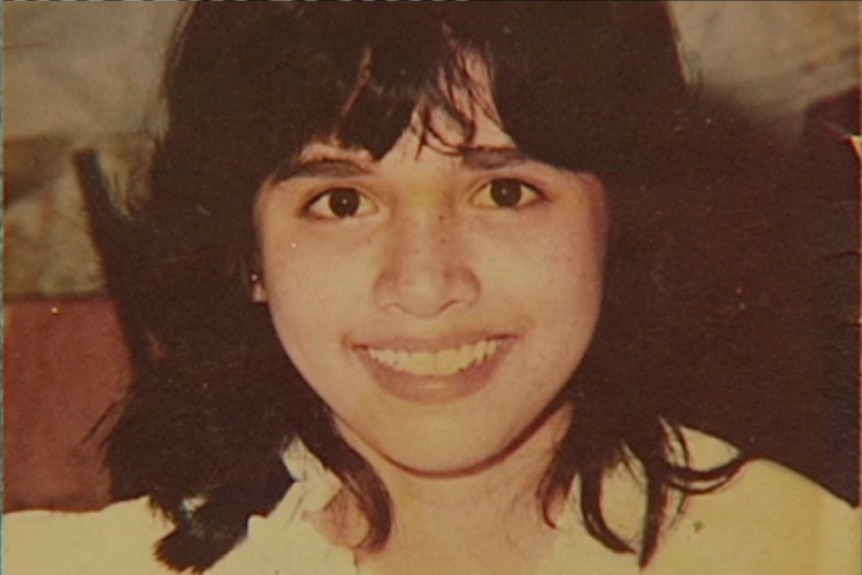
Charmaine Aviet, 15, was murdered by Martin Leach in 1983. (ABC News)
He then raped the elder girl and stabbed them both to death.
Leach was sentenced to life imprisonment in 1984 for the crimes with no chance of parole.
‘Please allow me to die a natural death’
A year before his death, Leach was diagnosed with atrial fibrillation, a chronic heart condition.
He had “do not resuscitate” and “no blood transfusions” on a legally binding Advance Personal Plan (APP) for years, and just two months before his death, completed a new APP stating “please allow me to die a natural death”.
“Because of my religious beliefs, I do not want to receive any blood transfusions or organ transplants,” his APP also stated.
Medical records note that for about 15 years before his death, Leach had consistently refused treatments for his other underlying conditions.
But in the months before he died, his wishes became a source of conflict that raised questions about who controls end-of-life decisions for inmates and whether they have the same rights as the public.
In handing down her findings into Leach’s death on Wednesday, NT Coroner Elisabeth Armitage found NT Corrections staff attempted to pressure hospital staff to disregard Leach’s wishes.

NT Corrections says while Advance Personal Plans are considered, they cannot always be honoured. (ABC News: Avani Dias)
In the NT, an APP allows an individual to document their preference for end-of-life care.
According to the coroner’s report, health staff are bound by APP directives, but they do not formally bind corrections services.
In an email exchange six months before Leach’s death, Darwin Correctional Centre general manager David Gordon wrote to health staff saying, “I have both a moral and legal obligation to preserve life”.
“As such I am authorising the administration of relevant healthcare to preserve life albeit against Mr Leach’s wishes.”
The coroner found Leach was repeatedly assessed as having a “sound and competent” mind, at one point telling a psychologist he was angry about his lack of control and that his “death should be about dignity”.
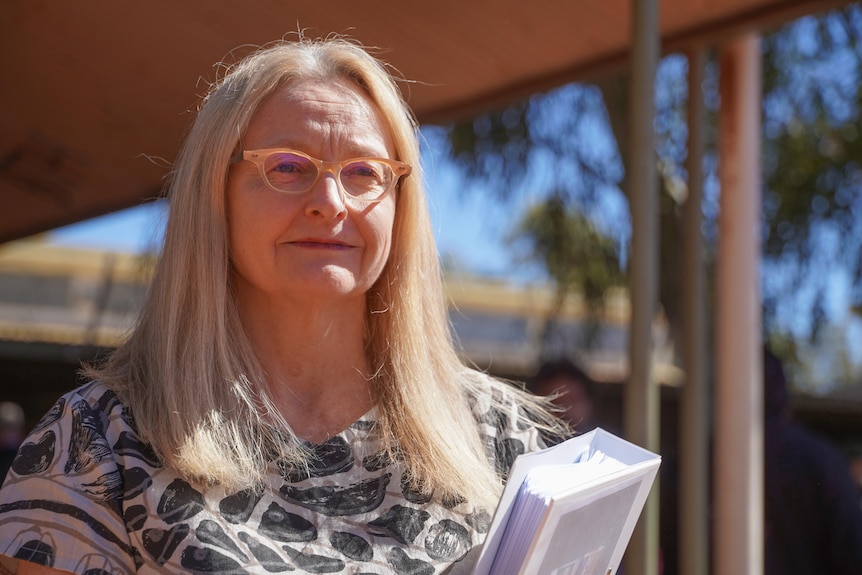
Elisabeth Armitage has recommended a review into how to deal with prisoners who have an Advance Personal Plan. (ABC News: Xavier Martin)
He had also told a nurse that “anything that brought him any joy has been systematically removed in the last 10 years”, the report states.
In a letter to the coroner in February 2024, seeking assistance to ensure his “do not resuscitate” decision was respected, Leach warned he would stop eating if corrections staff attempted to force medication on him.
A month later, Leach wrote to the NT Corrections Commissioner Matthew Varley stating he would take legal action “against both individual officers and NT Correctional Services” if he survived medical intervention.
Corrections’ decision ‘morally, ethically and legally questionable’
The coroner said NT Health regarded Corrections’ directive as “morally, ethically and legally questionable”, and found Mr Gordon’s claim that he had a legal obligation to authorise healthcare without consent was “arguably incorrect”.
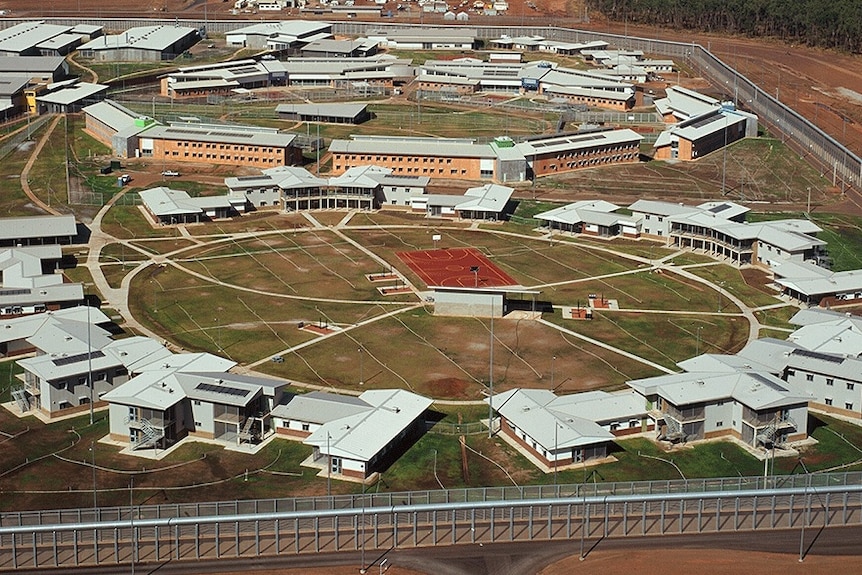
Martin Leach was serving a life sentence at the Holtze Correctional Centre in Darwin. (Supplied: Department of Correctional Services NT)
Leach ultimately died naturally in his sleep from congestive cardiac failure on August 3, 2024.
He had two correctional officers at his bedside who honoured his wishes to be left alone.
But in her findings, Ms Armitage said more needed to be done to prevent similar conflicts in the future.
She recommended the Department of Corrections and the Department of Health develop clear policies for dealing with prisoners who have an Advance Personal Plan.
“I do not imagine that NT Correctional Services will be inundated with prisoners with an APP,” she said.
“There is, therefore, the potential for a nuanced, even individualised, approach.”
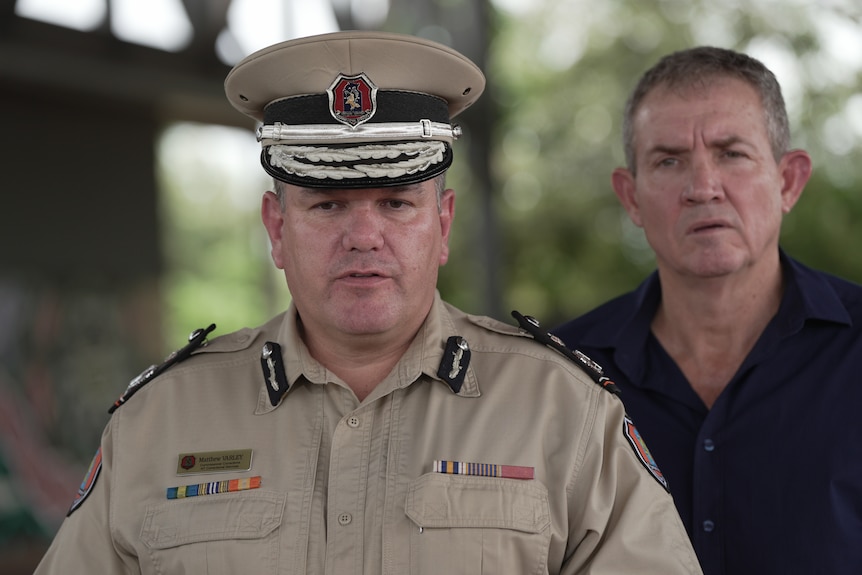
Matthew Varley is the NT Corrections Commissioner. (ABC News: Dane Hirst)
In a statement to the ABC, a spokesperson for NT Corrections said it “supports a person’s right to express their wishes regarding medical treatment”, and while APPs are considered, they could not always be honoured.
“Decisions about medical treatment are ultimately made in consultation with qualified health professionals and, where required, in accordance with relevant legislation and clinical advice,” the spokesperson said.
“In circumstances where a person is in custody, there may be legal or safety considerations that limit the ability to implement certain directives contained in an Advance Care Plan.”
Coroner describes ‘atrocious, vicious, crimes’
In handing down her findings, Ms Armitage detailed Leach’s harrowing upbringing with a violent alcoholic father “who often beat his wife and children” and forced them to drink alcohol.
“As a still young adult [Leach] committed atrocious, vicious crimes and on May 16, 1984, he was sentenced to life imprisonment,” she said.
During his later years in prison, Ms Armitage noted he was quartered in a low-security section and had maintained employment throughout his incarceration, working in numerous areas, including as a peer educator.
“He also completed studies in many courses,” she said.
“Most notably, he studied by correspondence to obtain two pre-graduate degrees in Information Technology and Applied Science.”
There are 47 “lifers” in the NT.