
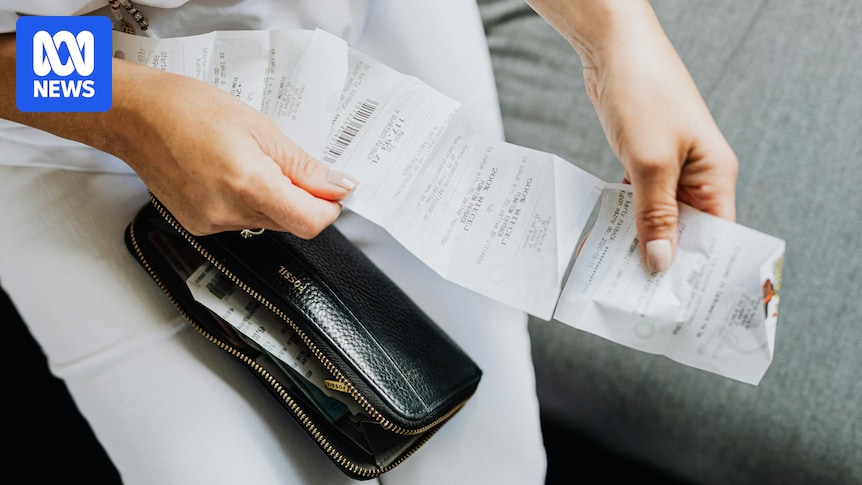
Every week, 23-year-old Ruby Neisler begins her ritual — trawling for supermarket bargains.
She starts at Tribe of Judah, a church-backed discount supermarket in Logan, south of Brisbane, which sells heavily reduced grocery items — many of them end-of-life pantry staples.
Ms Neisler says when shopping at the major supermarkets she is limited to buying what is on special, with full priced items out of reach after covering the cost of her rent.
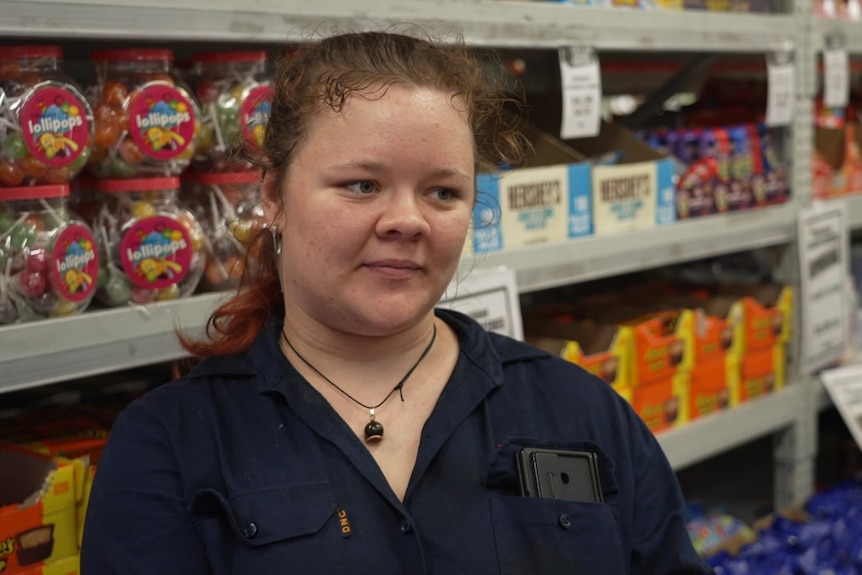
Ruby Neisler says she’s been cutting back on grocery costs and medical needs due to cost-of-living pressures. (ABC News)
“[Here], I can afford to have a decent meal… I’m not sketching out on different ingredients,” she said.
“And the laundry stuff — I can afford that as well, all in one shop without it hurting.”

Ms Neisler says paying full price for groceries is too much on top of rent for her unit. (ABC News)
Operations manager Shane Wallace says in the last 12 months they have seen an influx of young families, including women, seeking a cheaper alternative for household essentials.
“Day to day customers are telling us that the cost of living is getting more and more expensive in every household,” he said.
Women skipping basic needs to save money
A Deakin University study focusing on how young women are dealing with the cost-of-living crisis shows Ms Neisler is not alone.
The study, published in Health Promotion International, found of 570 Australian women aged 18 to 40 years old, many admitted to skipping meals or forgoing medical attention to save money.
Where do you spend your money?
The study’s author Simone McCarthy said her research focused on young women because the group was already affected by systemic inequalities.
“We’re really interested in looking at younger women in particular, because this is a time where they’re often making decisions about their future, wanting to own a home, wanting to study, and there are some financial implications of that,” Dr McCarthy said.
“They were remaining in housing that was unsafe or unstable, and they were working more hours at the expense of their wellbeing.”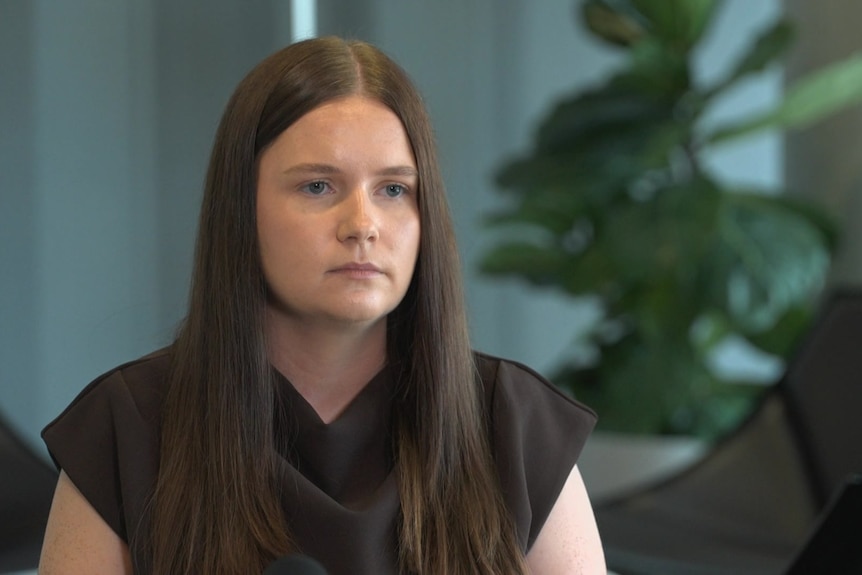
Dr McCarthy says cost-of-living pressures are compounded by systemic inequalities for women. (ABC News)
Dr McCarthy said women were making constant trade-offs just to get by, including cutting back on food quality or skipping meals entirely.
“We found that the cost-of-living crisis has intensified financial pressures and health inequalities across a lot of populations, but women are disproportionately impacted,” she said.
“This is because of persistent gender inequalities, such as the gender pay gap and the unequal burden of unpaid care. This compounds women’s vulnerabilities during economic crisis.”
Of the group surveyed, nearly half held a bachelor’s degree or a post graduate qualification, and 42.8 per cent were employed full time. Almost 40 per cent had dependent children.
Delaying health care comes with risks
Delaying medical appointments is something Ms Neisler is familiar with.
“It’s a little embarrassing, but I went to the dentist for the first time in over a year the other day. I was so scared of the cost,” Ms Neisler confessed.
“Me and my friends, we’ll try and fix our own issues. Whereas 10 years ago, we’d have gone to a professional for it.”
The Australian Medical Association (AMA) is concerned delaying medical care could have severe consequences.
AMA Queensland President Dr Nick Yim said the screenings that patients often delayed included mammograms and cervical screenings, which could lead to delayed diagnoses and complications down the road.

Dr Yim says he sees young women prioritising others’ medical care over their own. (ABC News: Mark Leonardi )
“That could include, unfortunately, increased pain, increased disability, or some catastrophic and tragic events — like death,” he said.
“I see as a GP, many women will prioritise their children’s healthcare, even maybe their parents’ healthcare, grandparents’ healthcare, often ahead of their own.”