
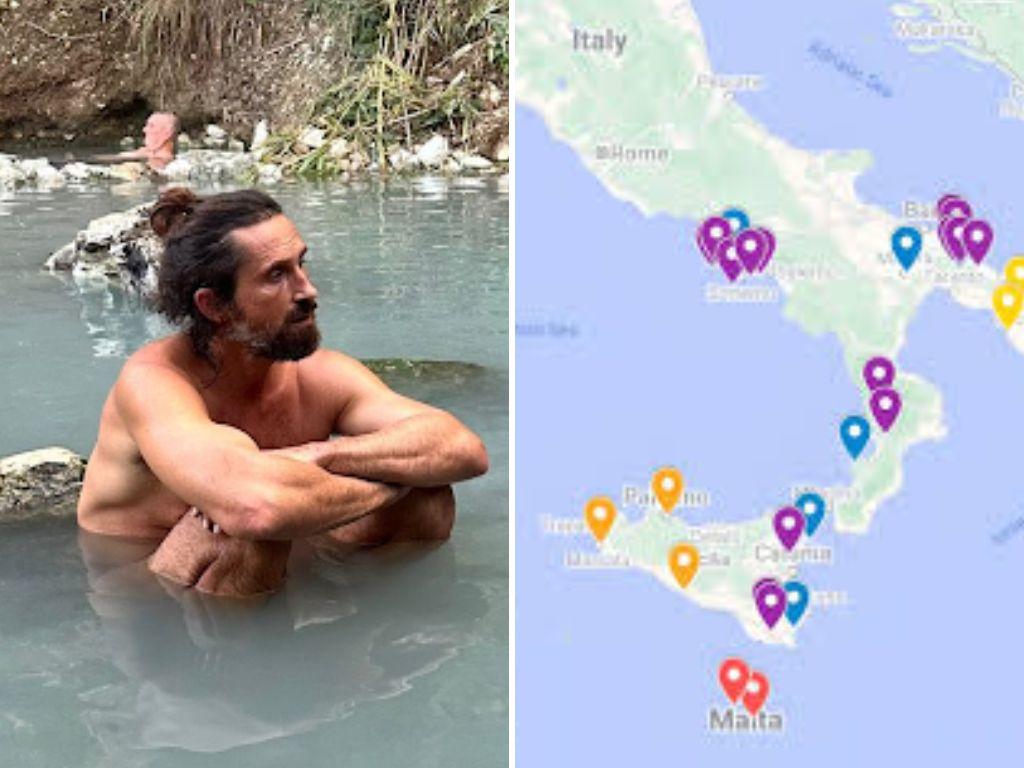

There are many homes available under the program for those willing to take the leap.
Buying a fixer-upper home in Italy for just one euro might sound like a dream come true, but for many who made the leap it has been nothing but a nightmare.
Italy’s One Euro House Program has made headlines a number of times in the last few years as people consider the possibility of snapping up a home for the equivalent of AUD $1.67.
It’s a concept particularly appealing to Australians struggling to break into their own country’s booming property market because the Italian government places no restrictions on Aussies looking to take advantage of the program.
The choice seems obvious: Put yourself under huge financial strain to pick up a cramped apartment for $1 million in Sydney or enjoy life in an Italian villa you’ll gradually renovate after buying it for $1.67.
But those who have backed in their Italian adventure say the reality of buying a one euro home is far from idyllic and much more expensive than anyone realises.
Pawel Durakiewicz has lived in Sicily for eight years and although he hasn’t bought a one euro home himself, he does receive questions all the time from people looking to do just that.

Pawel Durakiewicz has issued a warning for people considering Italy’s one euro homes. Picture: Facebook
Mr Durakiewicz said once you factor in fees, bureaucracy, deadlines and the actual cost of renovating your property it is simply a bad idea.
“You buy a house for €1, but at the same time you pay a deposit of €3,000–€5,000 (AUD $5000-$8400) and commit to a full renovation within two to three years. If you don’t finish on time, you lose the deposit,” he said.
The problem is that these are often ruins in the historic centres of small towns, the buildings are usually under heritage protection, you need multiple permits before you can even start renovating, Italian bureaucracy can mean the formal process alone takes years and you may lose your deposit without even starting the renovation, and when the renovation finally begins the costs very often exceed the price of building a new house from scratch.
“Sometimes a “€1 bargain” turns out to be the most expensive decision of all.”
This sobering assessment of the program is supported by a US woman who almost fell into the very trap Mr Durakiewicz described.
Jayla, a 25-year-old from Florida, had arrived in Italy to begin her European dream when she began hitting the bureaucratic hurdles attached to the property she was looking at in Mussomeli, Sicily.
“Whatever you think you’re going to pay, double it just in case,” she told US magazine Slate.
Jayla fell in love with the property she visited in Mussomeli even though she wasn’t permitted to enter the home and could only look through the windows due to protective barriers.
But the initial fees before she could even begin renovating and inability to navigate the Italian system eventually forced Jayla to withdraw from the sale before it finalised.
Fees for document notarisation, deed signings, energy consumption certificates and other requirements added up to more than AUD $9000.
“It really doesn’t look like the American process,” she said.
“Sometimes, you’re dealing with a notary person who only works on Wednesdays, and takes all of August off.”
Despite the drawbacks described by people who have attempted an Italian project, the One Euro House Program remians hugely popular.
Driven largely by media attention and social media, the program continues to draw thousands of inquiries from across the globe.
Websites like 1eurohouses.com are getting in excess of 50,000 visits per day from hopeful homeowners and many of them go a step further than Jayla to purchase a property.
Reports indicate in Mussomeli alone, more than 125 homes have been sold since it entered the program in 2017.